

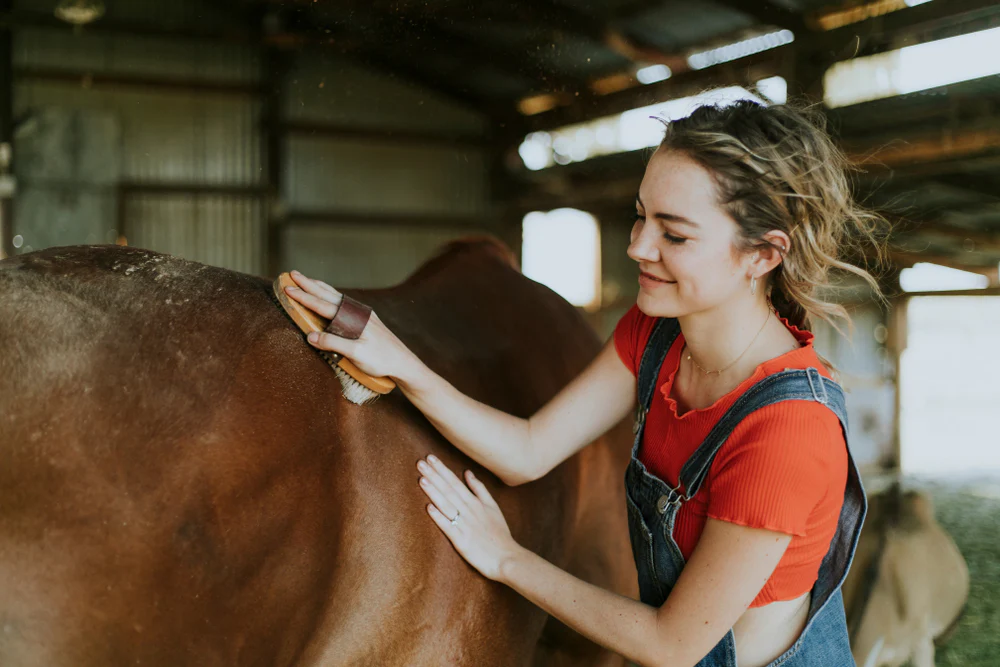
Dandruff in horses is a common skin issue that can cause discomfort, itching, and an unsightly coat. Addressing this problem requires a thoughtful approach to horse grooming for dandruff, focusing on both prevention and effective treatment. Understanding the causes, recognizing the signs, and applying the right grooming techniques can make a significant difference in your horse’s skin and coat health.
Whether you’re a seasoned equestrian or new to horse care, learning how to manage flaky skin and maintain a healthy coat is essential. This article explores practical steps, recommended tools, and proven strategies to help you tackle dandruff and keep your horse comfortable year-round. For those interested in adapting routines to different seasons, you might also find value in our detailed horse grooming in spring guide.
Understanding Dandruff in Horses
Dandruff, also known as seborrhea, appears as white or grayish flakes on a horse’s skin and coat. It can affect any area but is most commonly seen along the mane, tail, and back. Causes range from dry skin and poor grooming habits to underlying health conditions or environmental factors.
- Dry skin due to low humidity, harsh weather, or infrequent grooming
- Allergies to bedding, feed, or topical products
- Parasites such as mites or lice
- Fungal or bacterial infections
- Dietary deficiencies, especially in essential fatty acids or vitamins
Early detection is important. Look for excessive flaking, itching, rubbing, or hair loss. If left untreated, dandruff can lead to secondary infections or persistent skin irritation.
Essential Tools for Managing Flaky Skin
Using the right grooming tools is crucial for removing flakes, stimulating healthy skin, and distributing natural oils. Here are some essentials for effective horse grooming for dandruff:
- Rubber curry comb: Loosens flakes and debris while massaging the skin
- Soft-bristled body brush: Gently sweeps away loosened dandruff and dust
- Mane and tail comb: Helps detangle and remove flakes from longer hair
- Shedding blade (seasonal): Useful during coat changes to remove dead hair and skin
- Microfiber cloth: For sensitive areas or finishing touches

Step-by-Step Routine for Dandruff-Prone Horses
Adopting a consistent grooming routine is the foundation of managing dandruff. Here’s a practical approach:
- Inspect the coat and skin: Before starting, check for flaky patches, redness, or signs of irritation. Pay attention to the mane, tail, and saddle area.
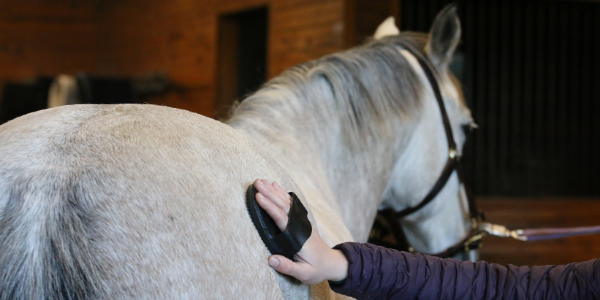
- Use a curry comb: In circular motions, gently work the curry comb over the horse’s body to loosen flakes and stimulate circulation.
- Brush away debris: Follow up with a soft-bristled brush to remove the loosened dandruff and distribute natural oils.
- Clean the mane and tail: Use a mane comb or fingers to detangle and remove flakes. For stubborn buildup, a damp cloth can help.
- Spot clean as needed: If the dandruff is severe, consider using a mild, horse-safe medicated shampoo. Always rinse thoroughly and dry the area well.
- Monitor progress: Keep track of changes in the skin and coat. If dandruff persists or worsens, consult a veterinarian.
For more tips on adapting your routine to different climates, see our winter horse grooming tips for cold conditions and horse grooming in hot weather for summer care.
Choosing the Right Products for Sensitive Skin
Selecting gentle, nourishing products is key when dealing with dandruff. Avoid harsh chemicals or heavily scented shampoos, as these can worsen irritation. Look for formulas designed for sensitive or dry skin, ideally with ingredients like oatmeal, aloe vera, or tea tree oil.
- Medicated shampoos: Use as directed for fungal or bacterial dandruff
- Moisturizing sprays or conditioners: Help soothe and hydrate the skin
- Natural oils: Coconut or sunflower oil can be applied sparingly to dry patches
Always test new products on a small area before full application. If you notice increased flaking, redness, or discomfort, discontinue use and seek veterinary advice.
Preventing Recurrence and Supporting Skin Health
Preventing dandruff is often easier than treating it. Consistent grooming, proper nutrition, and attention to environmental factors all play a role. Here are some tips to minimize the risk of recurring flakes:
- Maintain a regular grooming schedule: Daily or frequent brushing helps remove dead skin and distribute oils.
- Feed a balanced diet: Ensure your horse receives adequate omega-3 and omega-6 fatty acids, vitamins, and minerals.
- Provide clean, dust-free bedding: Reduces irritation and allergic reactions.
- Monitor for parasites: Regularly check for lice or mites and treat promptly if found.
- Adjust routines seasonally: Horses may need different care in spring, summer, or winter. For more seasonal advice, see our horse grooming after competition recovery care article.
If you’re preparing for a show or want advanced grooming tips, explore these expert horse show grooming tips for a polished look and healthy skin.
Frequently Asked Questions
What causes dandruff in horses?
Dandruff in horses can result from dry skin, allergies, poor grooming, parasites, or underlying health issues. Environmental factors like low humidity or dusty bedding can also contribute.
How often should I groom a horse with dandruff?
Horses with flaky skin benefit from daily or frequent grooming. Regular brushing helps remove dead skin, distribute oils, and monitor for changes in the coat.
Can I use human dandruff shampoo on my horse?
It’s best to use shampoos formulated specifically for equines. Human products may contain ingredients that are too harsh or not suitable for a horse’s skin.
When should I consult a veterinarian?
If dandruff persists despite regular grooming, or if you notice redness, sores, hair loss, or signs of infection, consult a veterinarian for diagnosis and treatment.