

Regular grooming is essential for every horse’s health, comfort, and appearance. Whether you’re new to horse care or looking to refine your technique, understanding how to groom a horse ensures your equine companion stays clean, healthy, and happy. Grooming not only removes dirt and loose hair but also helps you spot injuries, skin issues, or parasites early. It’s a valuable bonding time and a key part of responsible horse ownership.
Before diving into the step-by-step process, it’s important to have the right tools on hand and to know the basics of safe and effective grooming. For those also interested in rider safety, you might want to review how to find the right riding helmet for your head shape to ensure both you and your horse are well-prepared for every ride.
Essential Grooming Tools and Preparation
Before you begin, gather the following basic grooming tools:
- Curry comb – for loosening dirt, mud, and shedding hair
- Hard (dandy) brush – for removing heavier dirt and debris
- Soft brush – for dusting off fine particles and smoothing the coat
- Mane and tail comb – for detangling hair
- Hoof pick – for cleaning hooves
- Sponge or cloth – for wiping eyes, nose, and dock area
Always approach your horse calmly and speak softly. Secure your horse in a safe, quiet area using cross-ties or by tying with a quick-release knot. Check your equipment for cleanliness and safety before use.
Step 1: Curry Combing for Dirt Removal
The first step in horse grooming is to use a curry comb. This tool helps loosen dirt, mud, and dead hair from the skin. Work in gentle, circular motions starting at the neck and moving toward the hindquarters, avoiding sensitive areas like the face and legs. The curry comb stimulates natural oils in the coat, promoting a healthy shine.

Step 2: Brushing for a Clean, Shiny Coat
After currying, use a hard brush to flick away loosened dirt and hair. Brush in short, firm strokes in the direction of hair growth, starting at the neck and working back. Avoid using the hard brush on the face and lower legs, as these areas are more sensitive.
Next, switch to a soft brush. This brush removes finer dust and smooths the coat, giving your horse a polished look. Use long, gentle strokes, including on the face and legs, but be careful around the eyes and muzzle.
Step 3: Mane and Tail Care
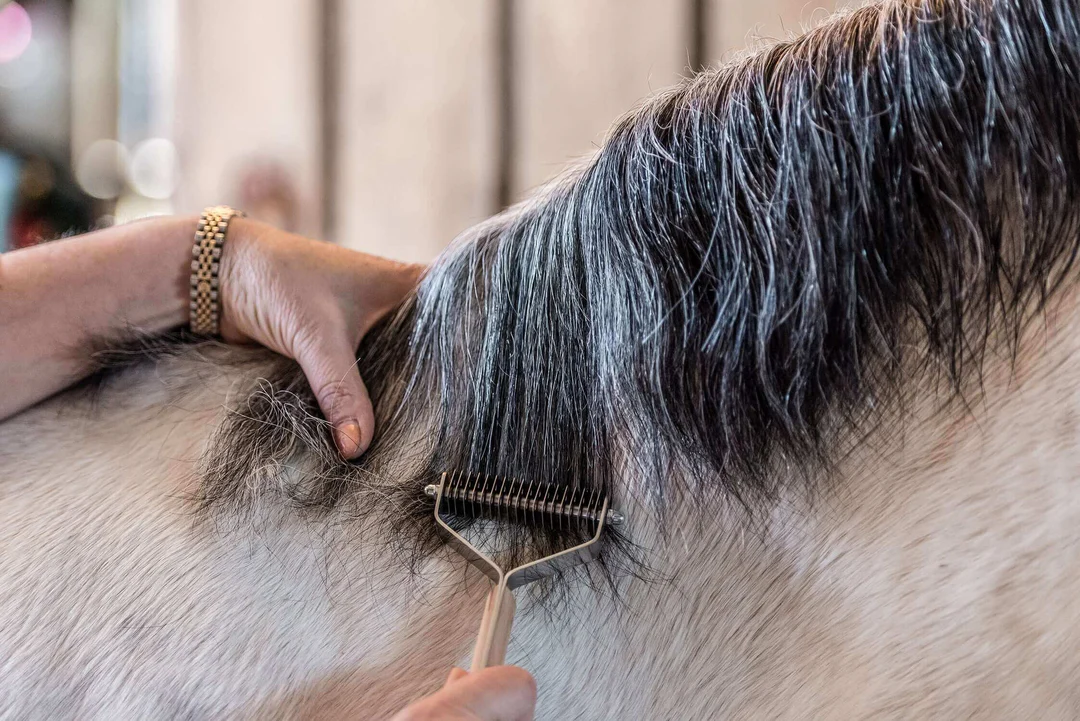
Keeping the mane and tail tangle-free is important for your horse’s comfort and appearance. Start by gently separating knots with your fingers before using a wide-toothed comb or brush. Hold sections of hair near the base to avoid pulling on the roots. Work from the bottom upward to prevent breakage.
For extra shine and manageability, you can use a detangler spray. Regular maintenance helps prevent matting and keeps your horse looking its best.
Step 4: Hoof Cleaning and Inspection
Cleaning your horse’s hooves is a vital part of how to groom a horse correctly. Pick up each hoof and use a hoof pick to remove dirt, stones, and manure, paying special attention to the grooves (called the frog). This prevents thrush and other hoof problems. Inspect for cracks, heat, or signs of injury as you go.

Step 5: Cleaning Sensitive Areas
Use a damp sponge or soft cloth to gently clean around the horse’s eyes, nostrils, and dock area. Always use separate sponges for the face and dock to prevent spreading bacteria. Be gentle and patient, as these areas can be sensitive.
Step 6: Final Touches and Health Checks
After grooming, look over your horse for any cuts, swelling, or signs of irritation. Check for ticks, skin conditions, or unusual lumps. Grooming is a great opportunity to monitor your horse’s health and well-being. Finish by offering a treat or some gentle pats to reinforce positive behavior.
Benefits of Routine Grooming
Consistent grooming offers many advantages:
- Promotes healthy skin and coat by distributing natural oils
- Reduces risk of skin infections and parasites
- Allows early detection of injuries or health issues
- Strengthens the bond between horse and handler
- Prepares your horse for tacking up and riding
For more in-depth tips and a comprehensive approach, explore the ultimate beginner’s guide to horse grooming for equestrian care.
Common Mistakes to Avoid When Grooming
- Skipping daily grooming, which can lead to skin problems
- Using dirty or damaged tools that may irritate the skin
- Being too rough, especially on sensitive areas
- Neglecting hoof care, increasing the risk of lameness
- Forgetting to check for injuries or parasites during grooming
By staying attentive and gentle, you can make grooming a positive experience for both you and your horse.
Additional Horse Care Resources
Proper grooming is just one aspect of overall horse care. If you’re interested in learning more about equestrian safety, you may also find value in reading about the importance of a secure helmet retention system for rider protection. Understanding the difference between UK and US riding standards can also help you adapt your practices to your region.
Frequently Asked Questions
How often should I groom my horse?
Ideally, horses should be groomed daily, especially if they are ridden or turned out in muddy conditions. Daily grooming helps maintain skin health, keeps the coat shiny, and allows you to check for injuries or signs of illness.
What should I do if my horse doesn’t like being groomed?
If your horse is sensitive or resistant to grooming, start slowly and use gentle strokes. Check for any underlying pain or skin issues. Positive reinforcement and patience can help your horse become more comfortable over time.
Can I use human grooming products on my horse?
It’s best to use products specifically designed for horses, as their skin has different sensitivities and pH levels compared to humans. Horse-specific shampoos, conditioners, and detanglers are formulated to be safe and effective for equine use.
Why is hoof cleaning so important?
Regular hoof cleaning removes debris and prevents conditions like thrush and abscesses. It also allows you to spot cracks, punctures, or other hoof problems early, helping to prevent lameness and discomfort.
Is it necessary to groom my horse if I’m not riding?
Yes, even if you’re not riding, grooming remains important for your horse’s health and comfort. It helps prevent skin issues, keeps the coat in good condition, and provides valuable bonding time.
By following these steps and making grooming a regular part of your routine, you’ll help your horse stay healthy, comfortable, and looking its best every day.