Selecting the right head protection for eventing is an essential step for any rider, whether you are new to the sport or a seasoned competitor. Eventing is unique in the equestrian world, combining dressage, cross-country, and show jumping into a single competition. Each phase presents its own set of challenges and risks, making helmet selection a matter of both safety and compliance. Understanding how to choose a helmet for eventing ensures you are protected, comfortable, and ready to meet the requirements of each discipline.
In this article, we’ll break down the most important factors to consider when picking a helmet for eventing. You’ll learn about safety certifications, fit, ventilation, and the latest technology designed to reduce the risk of head injuries. We’ll also discuss the differences between helmets for each phase and provide practical advice to help you make an informed decision.
For those interested in the evolution of equestrian headgear, the history of equestrian protective headgear provides valuable context on how modern helmets have developed to meet today’s demanding standards.
Understanding Eventing Helmet Safety Standards
The foundation of any helmet choice is its safety certification. In eventing, helmets must meet or exceed the standards set by national and international governing bodies. Look for certifications such as ASTM/SEI, PAS015, or VG1. Some organizations may also accept helmets certified to the Snell E2016 standard, which is known for its rigorous testing. For a deeper dive into this, see our guide on snell e2016 safety standard explained.
Always check the rulebook of your event’s governing body to ensure your helmet is compliant. Non-compliant helmets can result in disqualification, even if they are otherwise safe. The best approach is to choose a helmet that carries multiple certifications, as this increases the likelihood it will be accepted at most venues.
Key Features to Consider When Selecting Head Protection
When evaluating how to choose a helmet for eventing, several features should guide your decision:
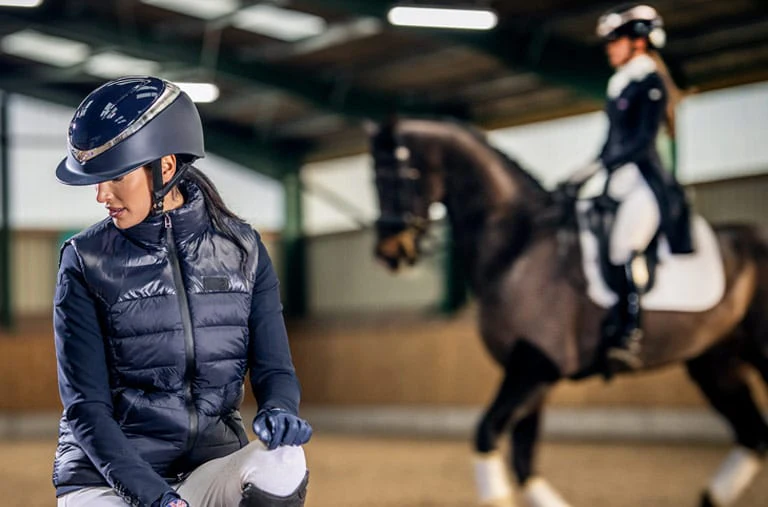
- Fit: A properly fitted helmet is critical. It should sit level on your head, with the front just above your eyebrows. The helmet should feel snug but not uncomfortably tight, and it should not move when you shake your head.
- Ventilation: Eventing can be physically demanding, especially during cross-country. Good airflow helps keep you cool and focused.
- Retention System: The harness and chin strap must be secure and easy to adjust. A five-point harness offers extra stability, which is especially useful in the more dynamic phases.
- Shell Material: Modern helmets use lightweight, durable materials such as polycarbonate or carbon fiber. These materials provide strong protection without adding unnecessary weight.
- Removable Liners: Liners that can be removed and washed help maintain hygiene, especially during hot weather or after a fall.
Helmet Technology: MIPS and Advanced Safety Systems
Recent advancements in helmet technology have introduced systems like MIPS (Multi-directional Impact Protection System), which is designed to reduce rotational forces during angled impacts. This technology is becoming increasingly popular in equestrian helmets and is worth considering for added protection. For more details on how MIPS works and its benefits, check out this comprehensive explanation of MIPS in equestrian helmets.
Other features, such as additional impact liners, reinforced shells, and improved harness designs, also contribute to overall safety. It’s wise to research which technologies are available in your price range and prioritize those that offer proven benefits.

Differences Between Helmets for Dressage, Cross-Country, and Show Jumping
Each phase of eventing has its own demands, and while many helmets are designed for all-purpose use, some riders prefer to tailor their choice to the specific discipline:
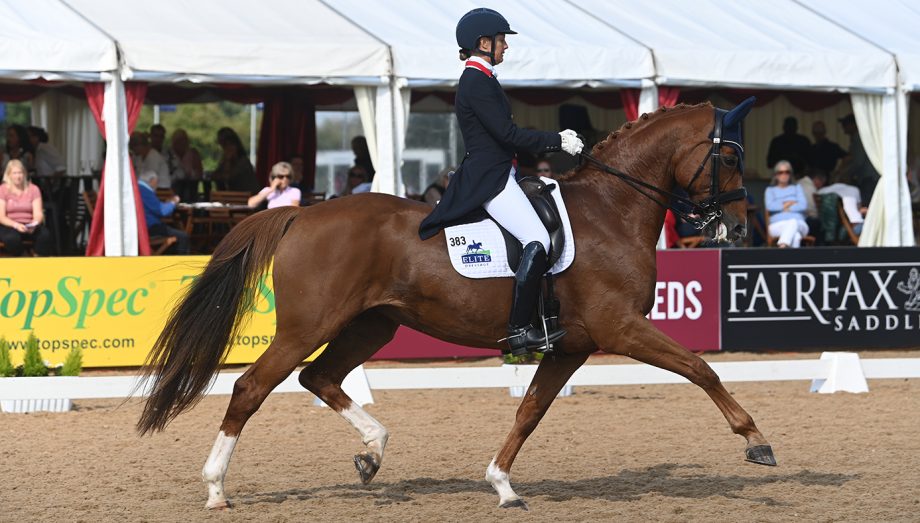
- Dressage: Traditionally, dressage helmets are more understated and may have a matte or velvet finish. However, safety standards remain the same. For tips on keeping these helmets looking their best, see our article on cleaning matte finish riding helmets.
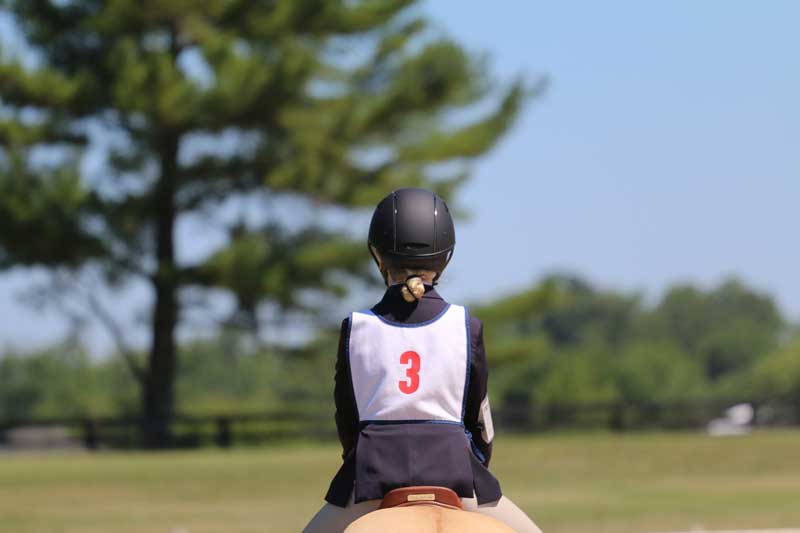
- Cross-Country: This phase is the most demanding in terms of risk. Helmets used here must have a secure harness and may include additional features like a fixed peak or extra ventilation. Some events require a cover in the rider’s colors.
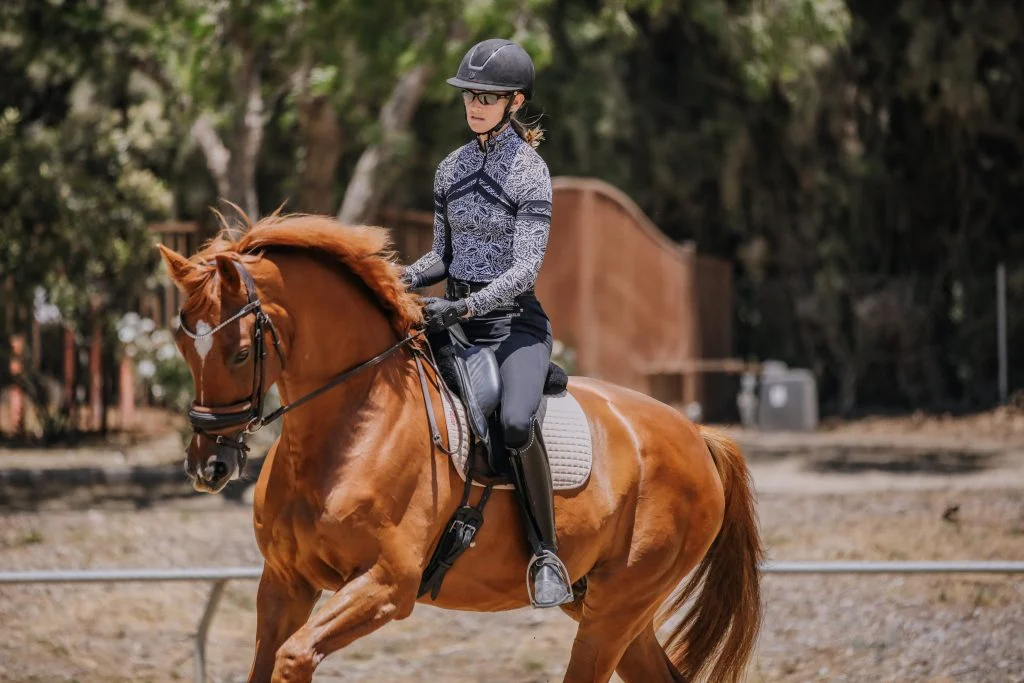
- Show Jumping: Helmets for show jumping often combine style and function, with options for glossy finishes and subtle design elements. Safety requirements are identical to the other phases.
Many riders opt for a single helmet that meets all safety standards and is suitable for every phase. However, if you compete at higher levels or have specific preferences, you may choose to invest in more than one helmet.
Proper Helmet Care and Replacement
Even the best helmet will only protect you if it is in good condition. Regular care is essential. Clean your helmet according to the manufacturer’s instructions, and avoid exposing it to extreme heat or direct sunlight for long periods. If your helmet has a matte finish, special cleaning techniques can help maintain its appearance and integrity.
Helmets should be replaced after any significant impact, even if there is no visible damage. Most manufacturers recommend replacing your helmet every five years, as materials can degrade over time. For more on the evolution of helmet safety features, see our resource on safety features of modern riding helmets.
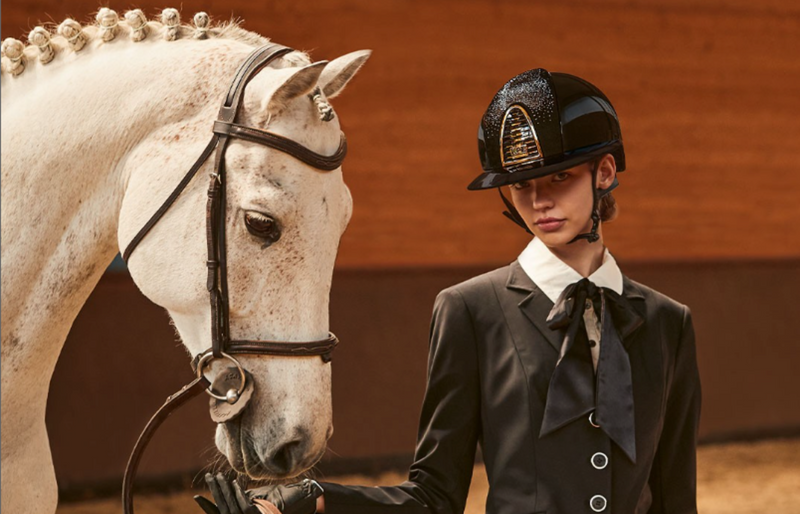
Tips for Trying On and Fitting Your Eventing Helmet
When shopping for a new helmet, always try on several models and sizes. Each brand may fit differently, so don’t rely solely on your previous helmet size. Here are some practical tips:
- Wear your hair as you would during competition when trying on helmets.
- Check that the helmet sits level and does not rock forward or backward.
- Fasten the harness and shake your head gently; the helmet should stay in place.
- Leave the helmet on for several minutes to ensure comfort over time.
- Consult with a knowledgeable retailer or professional fitter if possible.
Remember, a helmet that fits well provides the best protection and is less likely to cause discomfort or distraction during your ride.
Frequently Asked Questions
What safety standards should I look for in an eventing helmet?
Look for certifications such as ASTM/SEI, PAS015, VG1, or Snell E2016. These standards indicate the helmet has passed rigorous safety tests and is approved for use in most competitions.
How often should I replace my eventing helmet?
Replace your helmet after any significant fall or impact, even if there is no visible damage. Otherwise, manufacturers recommend replacing helmets every five years due to material degradation.
Is MIPS technology worth it for eventing helmets?
MIPS and similar technologies are designed to reduce rotational forces during angled impacts, offering additional protection. While not mandatory, many riders find the extra safety features worthwhile, especially for cross-country.
Can I use the same helmet for all three phases of eventing?
Yes, most modern helmets are designed to meet the safety requirements for dressage, cross-country, and show jumping. Just ensure your helmet is compliant with the rules of your governing body and is in good condition.
How do I keep my helmet clean and fresh?
Use removable liners if available, and follow the manufacturer’s cleaning instructions. For helmets with a matte finish, use gentle cleaning methods to avoid damaging the surface.