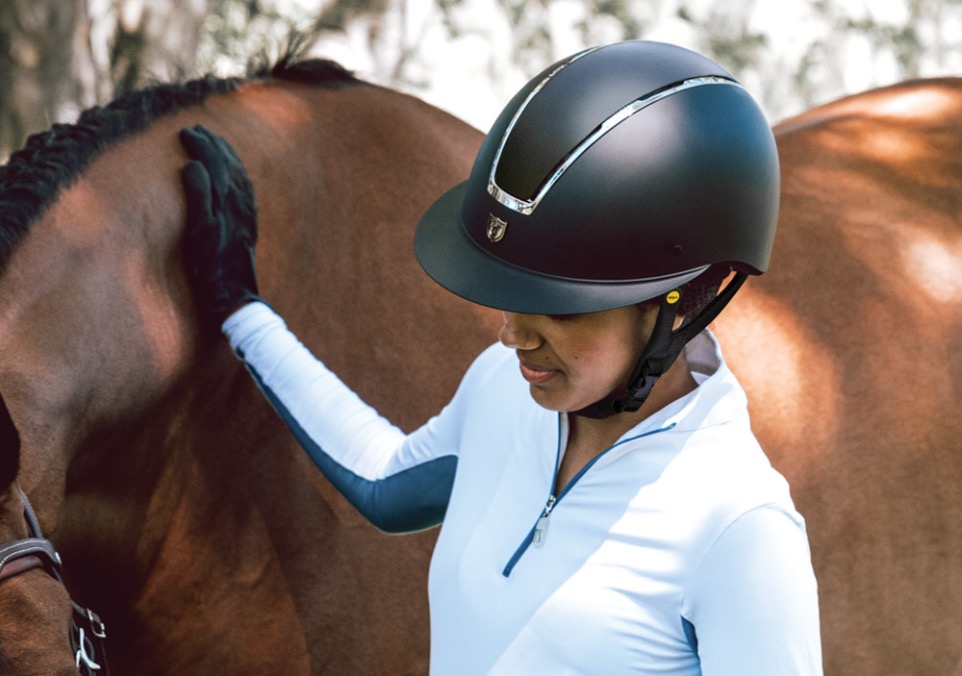
As spring approaches, horses begin to lose their thick winter coats in preparation for warmer weather. This natural process, often called “shedding out,” can leave your horse looking patchy and uncomfortable if not managed properly. Understanding the best practices for horse grooming for shedding season ensures your equine companion stays healthy, comfortable, and looking their best during this transitional period.
Shedding season is also a great opportunity to strengthen your bond with your horse and monitor their skin and coat health. By using the right tools and techniques, you can help speed up the shedding process, reduce loose hair, and keep your horse’s skin in top condition. For those new to equine care, learning the essentials of a horse grooming basics routine can make a significant difference in your horse’s well-being.
In this article, we’ll cover the essentials of managing loose hair, choosing the right grooming tools, and maintaining your horse’s skin health throughout the shedding period. We’ll also share practical tips for making the process easier and more effective for both horse and handler.
Why Horses Shed: The Science Behind Seasonal Coat Changes
Horses are naturally equipped to adapt to changing temperatures by growing a thick winter coat and shedding it as days grow longer and warmer. This process is triggered by changes in daylight, not just temperature. As daylight increases in spring, a horse’s body produces less melatonin, signaling the follicles to release the old hair and make way for a lighter summer coat.
The shedding process can last several weeks, and the amount of hair lost varies depending on breed, age, health, and environment. While some horses shed quickly, others may need extra help to remove dead hair and prevent matting or skin irritation.
For a more detailed daily approach to coat care, explore the daily horse grooming routine recommended by experienced equestrians.
Essential Tools for Effective Shedding Season Grooming
Having the right equipment can make a significant difference during the spring molt. Here are some must-have tools for horse grooming for shedding season:
- Curry combs: Rubber or plastic curry combs are ideal for loosening dead hair and dirt from the coat. Use circular motions to stimulate the skin and bring loose hair to the surface.
- Shedding blades: These metal tools are designed to remove large amounts of loose hair efficiently, especially on horses with thick coats.
- Grooming blocks: Also known as grooming stones, these help lift dead hair and dander from the coat, leaving the horse smoother and shinier.
- Body brushes: Soft or medium bristle brushes help remove finer dust and hair after currying and blading.
- Mane and tail combs: Use wide-tooth combs or brushes to detangle and remove loose hair from the mane and tail without causing breakage.
Regular cleaning of grooming tools is important to prevent the spread of dirt and bacteria. Wash brushes and combs frequently, especially during heavy shedding periods.

Step-by-Step Guide to Grooming During Shedding Time
A consistent routine is key to managing loose hair and keeping your horse comfortable. Follow these steps for optimal results:
- Start with currying: Use a rubber curry comb in gentle, circular motions over the entire body. This loosens dead hair and stimulates natural oils.
- Use a shedding blade: After currying, run the shedding blade over the coat to collect and remove large clumps of loose hair. Be gentle on sensitive areas like the belly and legs.
- Brush out the coat: Follow up with a stiff or medium body brush to sweep away remaining hair and dirt.
- Focus on mane and tail: Use a wide-tooth comb or brush to gently detangle and remove dead hair from the mane and tail. Avoid pulling or breaking healthy hair.
- Check skin health: As you groom, inspect your horse’s skin for signs of irritation, bald patches, or parasites. Shedding season can reveal underlying skin issues that were hidden by the winter coat.
- Finish with a soft brush: Use a finishing brush to smooth the coat and distribute natural oils, leaving your horse looking shiny and healthy.
For a more comprehensive, beginner-friendly approach, refer to the horse grooming step by step guide.

Tips for Managing Shedding in Different Horse Breeds
Not all horses shed at the same rate or in the same way. Ponies and draft breeds often have thicker coats and may require more frequent or intensive grooming. Light breeds or clipped horses may shed less dramatically but still benefit from regular attention.
- Monitor older horses: Senior horses may shed more slowly due to hormonal changes or health conditions. Extra grooming helps keep their skin healthy and comfortable.
- Consider diet and health: A balanced diet rich in omega-3 fatty acids and proper hydration can support healthy skin and coat, making the shedding process smoother.
- Adjust for climate: Horses kept in heated barns or under artificial lights may shed earlier or more gradually than those living outdoors.
If you notice abnormal shedding patterns or bald spots, consult your veterinarian to rule out underlying health issues.
Maintaining Skin and Coat Health During Shedding
Shedding season can sometimes lead to dry, flaky skin or irritation if dead hair is not removed promptly. Here are some ways to keep your horse’s skin and coat in optimal condition:
- Regular grooming: Daily or frequent grooming sessions help remove loose hair and dirt, preventing matting and skin problems.
- Bathing: Occasional baths with mild equine shampoo can help loosen stubborn hair and refresh the coat, but avoid over-bathing as it may strip natural oils.
- Check for parasites: Shedding can reveal lice, mites, or fungal infections. Early detection and treatment are key to maintaining skin health.
- Moisturize if needed: For horses with dry or sensitive skin, consider using a veterinarian-approved coat conditioner or moisturizer.
For more tips on achieving a shiny, healthy coat, check out these easy steps to groom your horse to shine.
Frequently Asked Questions
How often should I groom my horse during shedding season?
Ideally, horses should be groomed daily during the spring molt. Frequent grooming helps remove loose hair, prevents matting, and allows you to monitor your horse’s skin health closely.
What is the best tool for removing loose hair?
A combination of rubber curry combs and shedding blades works best for most horses. Grooming blocks or stones can also be effective, especially for sensitive areas or horses with finer coats.
Can I speed up the shedding process?
While you can’t change your horse’s natural shedding cycle, regular grooming, proper nutrition, and exposure to natural daylight can help the process go more smoothly. Avoid using harsh chemicals or excessive bathing, as these can irritate the skin.
Managing horse grooming for shedding season is an essential part of equine care. With the right tools, techniques, and attention to your horse’s individual needs, you can ensure a comfortable and healthy transition from winter to summer coat. Consistent grooming not only keeps your horse looking their best but also supports overall well-being throughout the changing seasons.