

Maintaining a horse’s coat in optimal condition is essential for both health and appearance. Using the right grooming tools not only keeps your horse clean but also supports skin health, circulation, and the bond between horse and handler. Understanding the various horse grooming brush types and their specific functions helps ensure an effective grooming routine, whether you’re preparing for a show or simply caring for your equine companion after a ride.
Grooming is more than just a cosmetic task. It’s an opportunity to check your horse for injuries, skin conditions, or signs of discomfort. With so many brushes and tools available, choosing the right ones can feel overwhelming. This guide breaks down the main categories of brushes, their uses, and tips for selecting and using them for the best results.
For those interested in learning about equestrian safety gear, you might also find value in reading about the snell e2016 safety standard explained, which covers important helmet safety information for riders.
Understanding the Main Horse Grooming Brush Types
Each brush in a grooming kit is designed for a particular purpose. Knowing when and how to use each type ensures your horse’s coat stays healthy and clean. Here’s a breakdown of the most common brushes and their roles in daily care.
Curry Combs: Loosening Dirt and Stimulating Skin
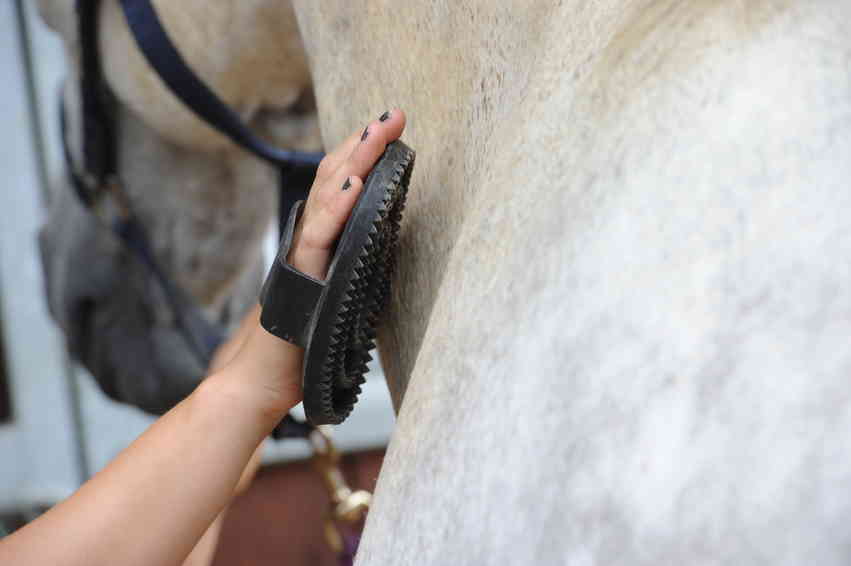
The curry comb is typically the first tool used during grooming. Made from rubber or plastic, it features short, flexible teeth that help loosen dirt, mud, and shedding hair from the coat. Circular motions with the curry comb not only lift debris but also massage the skin, promoting natural oil production and healthy circulation.
- Best for: Breaking up dried mud and loose hair on muscular areas like the neck, shoulders, and hindquarters.
- Avoid: Using curry combs on sensitive areas such as the face and legs.
Dandy Brushes: Removing Surface Dirt
Dandy brushes, also known as stiff brushes, feature long, firm bristles made from synthetic or natural fibers. After currying, the dandy brush sweeps away the loosened dirt and hair from the coat’s surface. Use short, flicking motions to lift debris away without grinding it back into the hair.
- Best for: Removing mud and dried sweat from the body, especially in winter or after turnout.
- Avoid: Using stiff bristles on sensitive areas or thin-skinned horses.
Body Brushes: Smoothing and Polishing the Coat
Body brushes have soft, densely packed bristles that gently remove finer dust and distribute natural oils, leaving the coat shiny and smooth. These brushes are suitable for use all over the horse, including the face and legs, making them a staple in any grooming kit.
- Best for: Finishing touches, sensitive areas, and daily grooming for a healthy shine.
- Tip: Use long, sweeping strokes in the direction of hair growth for best results.

Specialized Brushes and Tools for Horse Care
Beyond the core brushes, several specialized tools help address specific grooming needs. Incorporating these into your routine can make a noticeable difference in your horse’s comfort and appearance.
Mane and Tail Brushes: Detangling and Smoothing
Mane and tail brushes are designed to gently detangle long hair without causing breakage. These brushes often resemble human hairbrushes, with widely spaced bristles or pins that glide through knots. For best results, start at the ends and work upward, using a detangler spray if needed.
- Best for: Keeping manes and tails free of tangles and debris.
- Tip: Brush gently to avoid pulling out too much hair, especially in horses with thin or brittle manes.
Face Brushes: Gentle Care for Sensitive Areas
Face brushes are small, soft-bristled tools made specifically for delicate areas around the eyes, nose, and ears. Their gentle touch ensures comfort while removing dust and loose hair from sensitive spots.
- Best for: Horses that are head-shy or sensitive to firmer brushes.
- Tip: Always approach the face calmly and avoid sudden movements.
Hoof Picks and Finishing Tools
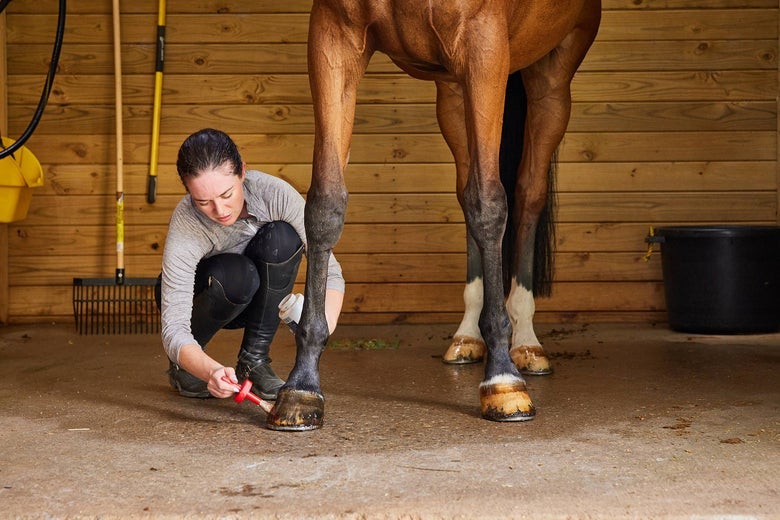
While not a brush, the hoof pick is an essential part of any grooming kit. It removes dirt, stones, and debris from the hooves, helping prevent discomfort and infection. Some hoof picks include a small brush for cleaning around the frog and sole.
Finishing tools, such as grooming mitts or cloths, can be used to give the coat a final polish or to apply fly spray and coat conditioners.
Choosing the Right Brushes for Your Horse
Selecting the best grooming tools depends on your horse’s coat type, skin sensitivity, and lifestyle. Here are some tips to help you build an effective grooming kit:
- Consider coat thickness: Horses with thick winter coats may benefit from stiffer brushes, while those with fine hair may need softer options.
- Account for sensitivities: If your horse is prone to skin irritation, opt for gentle, soft-bristled brushes and avoid harsh materials.
- Match tools to activities: Horses that spend a lot of time outdoors or in muddy conditions may require more robust brushes to tackle dirt and debris.
- Maintain your tools: Clean brushes regularly to prevent the buildup of dirt and bacteria, which can cause skin problems.
For a comprehensive overview of grooming routines and additional care tips, the Canadian Paso Fino Society’s guide to horse grooming offers further insights and best practices.
Establishing an Effective Grooming Routine
Consistency is key when it comes to grooming. A regular routine not only keeps your horse looking its best but also fosters trust and relaxation. Here’s a simple step-by-step process to follow:
- Start with a curry comb to loosen dirt and stimulate the skin.
- Use a dandy brush to flick away debris from the coat’s surface.
- Follow with a body brush to smooth the coat and add shine.
- Detangle the mane and tail with a dedicated brush or comb.
- Clean the face with a soft brush, paying attention to sensitive areas.
- Pick out the hooves to remove stones and dirt.
- Finish with a grooming mitt or cloth for extra polish.
Adapting your routine based on the season, your horse’s activities, and any skin or coat issues will help keep grooming sessions effective and enjoyable.
Frequently Asked Questions
How often should I groom my horse?
Ideally, horses should be groomed daily, especially if they are ridden or turned out in muddy or dusty environments. Regular grooming helps maintain coat health and allows you to check for injuries or skin conditions.
Can I use human hairbrushes on my horse?
While some human brushes may work in a pinch, it’s best to use brushes specifically designed for horses. Equine grooming tools are made to handle thicker hair and larger surface areas, reducing the risk of breakage and discomfort.
What’s the difference between a dandy brush and a body brush?
A dandy brush has stiff bristles for removing heavy dirt and mud, while a body brush features soft bristles for smoothing the coat and distributing natural oils. Both play important roles in a complete grooming routine.
How do I clean and care for my grooming brushes?
Regularly remove hair and debris from your brushes. Wash them with mild soap and warm water, rinse thoroughly, and allow them to dry completely before storing. Clean brushes help prevent skin irritation and infections.
Conclusion
Choosing the right horse grooming brush types and using them correctly makes a significant difference in your horse’s health and appearance. By understanding the function of each brush and tailoring your grooming routine to your horse’s needs, you’ll ensure a clean, comfortable, and happy equine partner. For further reading on equestrian equipment care, explore topics such as cleaning matte finish riding helmets and the history of equestrian protective headgear to round out your horse care knowledge.