

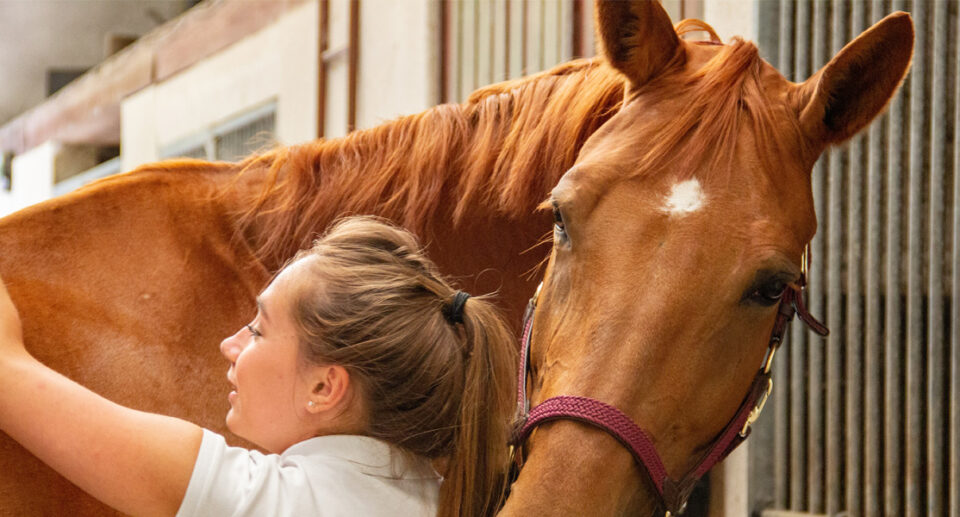
Building a meaningful relationship with your horse goes beyond riding and training. One of the most effective ways to nurture trust and understanding is through regular grooming sessions. These moments of care not only keep your horse healthy and comfortable but also offer a unique opportunity to strengthen your bond. In this guide, you’ll discover practical horse grooming bonding tips that help deepen your connection, encourage relaxation, and make every interaction more rewarding for both you and your equine companion.
Whether you’re a new horse owner or have years of experience, refining your grooming approach can make a noticeable difference in your horse’s behavior and overall well-being. We’ll explore techniques, routines, and subtle cues that turn routine care into a shared experience of trust. For those interested in more specialized grooming advice, the horse grooming tail trimming guide offers detailed steps for achieving a neat finish.
Why Grooming Builds Trust and Connection
Grooming is more than just cleaning your horse. It’s a form of communication that helps you understand your horse’s preferences, sensitivities, and mood. Horses are highly perceptive animals, and they respond to gentle touch and consistent routines. By taking your time and paying attention to your horse’s reactions, you signal safety and respect, which are essential for building trust.
During grooming, you have the chance to observe subtle changes in your horse’s body language. This can help you spot discomfort, tension, or areas that need extra care. Over time, these attentive moments contribute to a stronger partnership, making your horse more willing and relaxed during other activities, such as riding or training.
Essential Horse Grooming Bonding Tips
To make the most of your grooming sessions, consider these proven strategies for fostering a deeper connection:
- Establish a Calm Environment: Choose a quiet, familiar spot for grooming. Speak softly and move slowly to help your horse feel secure.
- Use Consistent Routines: Horses thrive on predictability. Start and finish your grooming in the same order each time, so your horse knows what to expect.
- Pay Attention to Preferences: Notice which brushes and strokes your horse enjoys most. Some horses prefer gentle currying, while others like firmer brushing on certain areas.
- Watch for Feedback: Ears pinned back, tail swishing, or shifting weight may indicate discomfort. Adjust your technique accordingly to show you’re listening.
- Include Positive Reinforcement: Offer a gentle scratch in a favorite spot or a calm word of praise when your horse stands quietly or responds positively.
- Take Your Time: Rushing through grooming can make your horse anxious. Allow enough time for a thorough, relaxed session.
Choosing the Right Tools for Effective Bonding
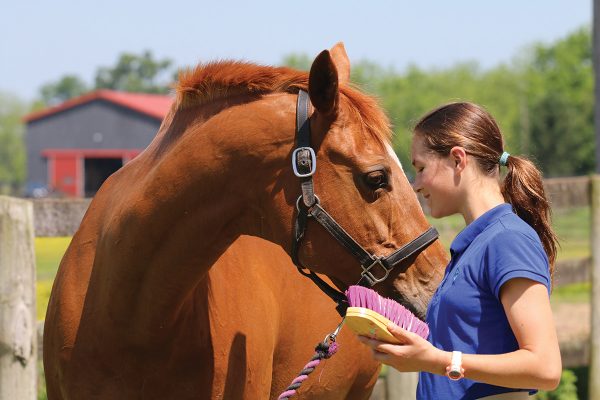
The tools you use can influence how enjoyable grooming is for your horse. A well-stocked kit should include a curry comb, stiff and soft brushes, a mane and tail comb, and a hoof pick. Using clean, comfortable brushes prevents irritation and makes the experience more pleasant.
If you’re unsure about the best tools for your horse’s coat type or sensitivities, consider reading a comprehensive guide to horse grooming essentials for expert recommendations. Investing in quality equipment not only improves results but also demonstrates your commitment to your horse’s comfort.
Incorporating Grooming into Your Daily Routine
Making grooming a regular part of your horse’s day helps reinforce positive associations. Even short sessions before or after turnout, exercise, or feeding can have a big impact. Consistency is key—horses appreciate knowing when and how they’ll be handled.
For guidance on how often to groom, the horse grooming frequency guide provides helpful benchmarks for different seasons and activity levels.
Reading Your Horse’s Body Language During Grooming
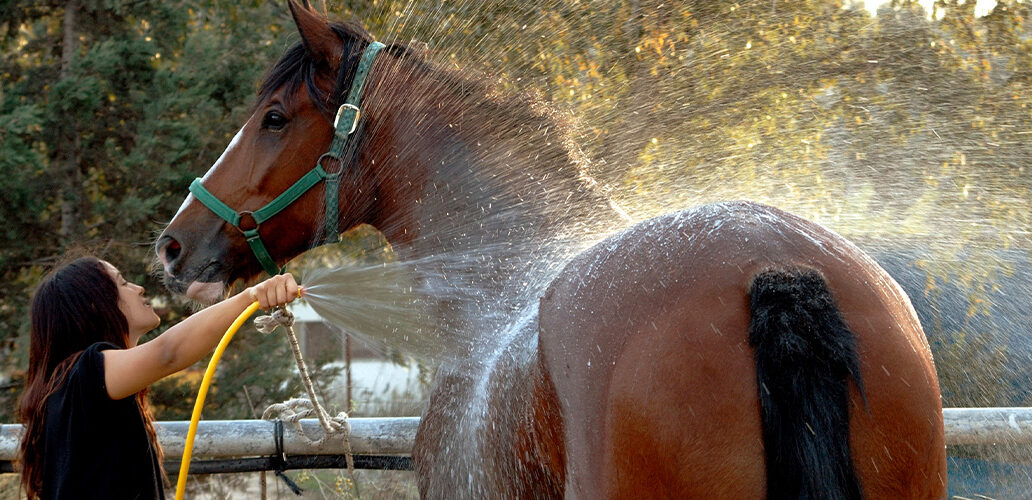
Understanding your horse’s signals is essential for building trust. Watch for signs of enjoyment, such as relaxed ears, lowered head, or gentle leaning into your touch. Conversely, signs of discomfort—like pinned ears, tail swishing, or moving away—mean you should adjust your approach.
Take note of sensitive areas and avoid over-brushing spots that seem tender. Over time, your horse will learn that you respect their boundaries, which can lead to greater relaxation and willingness to engage.
Making Grooming Sessions Positive and Rewarding
To ensure grooming remains a positive experience, end each session on a good note. Offer a favorite treat, a gentle pat, or a few moments of quiet together. This reinforces the idea that time spent with you is enjoyable and safe.
If you’re preparing for special grooming tasks, such as trimming or clipping, it helps to introduce changes gradually. For step-by-step advice, the horse grooming before clipping guide covers how to prepare your horse for new sensations and equipment.
Common Mistakes to Avoid When Grooming for Bonding
- Rushing the Process: Quick, inattentive grooming can make your horse anxious or resistant.
- Ignoring Feedback: Overlooking signs of discomfort can erode trust and make future sessions more difficult.
- Using Dirty or Harsh Tools: Brushes with sharp edges or embedded debris can cause pain or skin irritation.
- Skipping Routine: Inconsistent grooming routines can lead to nervousness or unpredictability.
FAQ: Horse Grooming and Bonding
How often should I groom my horse to build a strong bond?
Regular grooming—ideally daily or several times a week—helps reinforce trust and familiarity. Consistency is more important than duration, so even short, positive sessions can be effective.
What are the best areas to focus on for bonding during grooming?
Many horses enjoy having their withers, neck, and shoulders groomed. Pay attention to your horse’s reactions and spend extra time on areas they seem to enjoy. Avoid sensitive spots unless your horse shows comfort with gentle handling there.
Can grooming help with nervous or young horses?
Yes, gentle and patient grooming can help nervous or inexperienced horses become more comfortable with human touch. Start slowly, use calm movements, and reward positive behavior to build confidence over time.
Where can I find more grooming guides for specific tasks?
For detailed instructions on tasks like bridle path trimming, visit the horse grooming bridle path trimming guide for expert advice.
By following these horse grooming bonding tips and making each session a positive, attentive experience, you’ll foster a deeper relationship with your horse that extends far beyond the grooming area.