

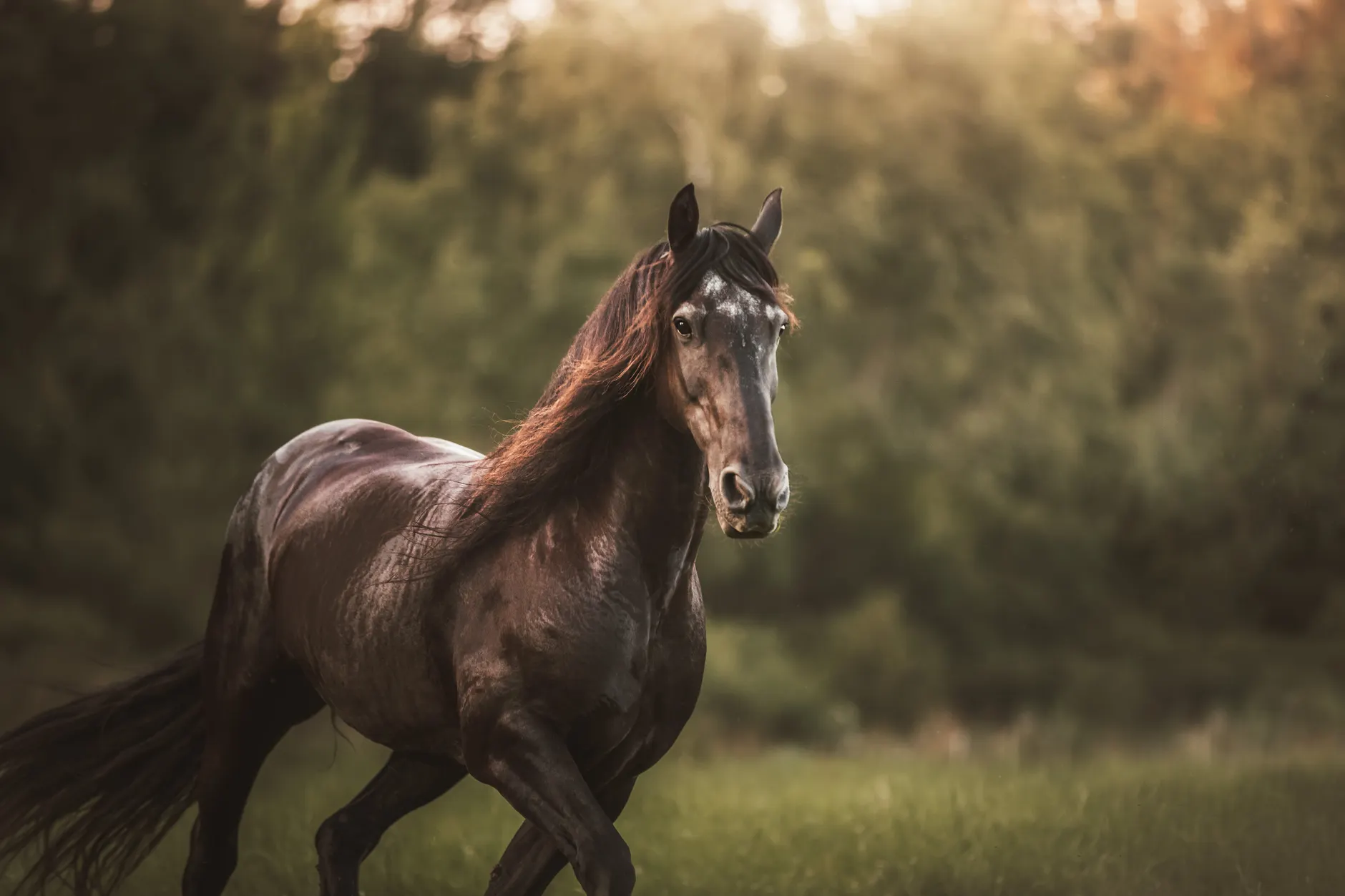
Horses have fascinated people for thousands of years, serving as loyal companions, powerful workers, and even symbols of freedom and grace. Whether you’re a lifelong equestrian or simply curious about these remarkable animals, there’s always something new to learn. This article uncovers a collection of horse facts that highlight just how unique and impressive these creatures truly are.
From their incredible senses to their diverse breeds and surprising behaviors, horses continue to amaze experts and enthusiasts alike. If you’re interested in exploring the world of equines, understanding their anatomy, or even choosing the right breed, there’s a wealth of information waiting for you. For a deep dive into the variety of horse breeds and what makes each one special, check out our detailed guide.
Unusual Physical Traits and Anatomy
One of the most fascinating aspects of horses is their anatomy, which is perfectly adapted for speed, endurance, and survival. Did you know that horses have the largest eyes of any land mammal? Their wide-set eyes provide a nearly 360-degree field of vision, allowing them to spot predators from almost any direction. However, there’s a small blind spot directly in front of their nose and behind their tail.
Another interesting detail is that horses cannot breathe through their mouths. Unlike humans, all their breathing is done through their nostrils. This adaptation helps them maintain efficient oxygen intake during strenuous activity. If you want to learn more about the inner workings of these animals, our horse anatomy resource offers diagrams and explanations of their unique physiology.
- Horses have around 205 bones in their skeleton, similar to humans.
- Their hooves are made of keratin, the same protein found in human hair and nails.
- Each hoof supports the entire weight of the horse, making hoof care essential for their health.
Mind-Blowing Senses and Communication
Equines rely on their acute senses to navigate their environment and communicate with each other. Their hearing is especially sharp; horses can rotate their ears nearly 180 degrees to pinpoint sounds. This helps them detect approaching danger or listen for the calls of other horses in the herd.
Smell and touch also play vital roles in how horses interact. They use their sensitive muzzles to explore objects and greet other horses. Through subtle body language—such as ear position, tail movement, and facial expressions—horses convey a wide range of emotions and intentions. Understanding these signals is crucial for anyone working with or caring for horses.
- Horses can recognize human emotions and often respond to tone of voice and body language.
- They use whinnies, nickers, and neighs to communicate with each other and with humans.
- Some horses even develop strong bonds with their caretakers, showing affection and trust.
Surprising Behavioral Facts About Horses
Beyond their physical abilities, horses display a variety of behaviors that might surprise even seasoned riders. For example, horses are highly social animals that thrive in groups. In the wild, they form herds with complex hierarchies, and even domesticated horses prefer the company of others.
Horses also have excellent memories, especially when it comes to places and people. They can remember positive and negative experiences for years, which is why gentle handling and consistent training are so important. If you’re considering adding a horse to your life, it’s helpful to know which breeds are best for beginners. Take a look at our guide to beginner horse breeds for practical advice.
- Horses can sleep both standing up and lying down, thanks to a special locking mechanism in their legs.
- They spend most of their time grazing and can eat for up to 16 hours a day.
- Some horses have been known to open gates, untie knots, and solve simple puzzles, showing remarkable intelligence.
Incredible Diversity: Breeds and Colors
The world of horses is incredibly diverse, with over 350 recognized breeds ranging from tiny ponies to towering draft horses. Each breed has its own strengths, temperament, and ideal uses—whether for riding, racing, work, or companionship. If you’re curious about the characteristics of different breeds, our comprehensive horse breeds article breaks down traits, size, and best uses for each type.
Horses also come in a stunning array of colors and patterns. From the classic bay and chestnut to striking paints and appaloosas, their coats can be as unique as fingerprints. Some breeds are known for specific colors, while others display a wide variety.
- There are more than a dozen basic coat colors, with countless variations and markings.
- Some horses change color with the seasons or as they age.
- Unique markings, such as blazes and socks, help identify individual horses.
Record-Breaking Achievements and Fun Trivia
Throughout history, horses have set records and achieved feats that continue to impress. The fastest recorded sprint by a horse reached nearly 55 miles per hour, while the tallest horse ever measured stood over 21 hands (more than 7 feet) at the withers. On the other end of the spectrum, miniature horses can be as small as 17 inches tall.
Horses have also played key roles in human culture, from ancient warfare and agriculture to modern sports and therapy. Their adaptability and willingness to work alongside people have made them invaluable partners throughout the ages.
- The oldest horse on record lived to be 62 years old, far surpassing the average lifespan of 25–30 years.
- Some horses have starred in movies, become internet sensations, or even served as mascots for sports teams.
- Horses have been used in therapy programs to help people with physical, emotional, and cognitive challenges.
Essential Care and Training Insights
Caring for a horse requires dedication, knowledge, and a genuine love for animals. Proper nutrition, regular exercise, and routine veterinary care are all essential for keeping horses healthy and happy. Training should be based on trust and positive reinforcement, as horses respond best to gentle, consistent handling.
Offering treats can be an effective way to reward good behavior and strengthen your bond. For ideas on safe and healthy options, our article on the best horse treats for training provides expert recommendations.
- Regular grooming helps maintain coat health and allows you to check for injuries or signs of illness.
- Horses need access to clean water at all times, especially in hot weather.
- Social interaction and mental stimulation are just as important as physical exercise.
Frequently Asked Questions
How long do horses typically live?
The average lifespan of a horse is between 25 and 30 years, though some can live into their 40s with excellent care. The oldest known horse reached 62 years of age.
What are some signs that a horse is healthy?
Healthy horses have bright eyes, a shiny coat, good appetite, and steady weight. Regular movement, alertness, and social behavior are also positive indicators. Routine checkups and proper hoof care are crucial for maintaining overall well-being.
Can horses really sleep standing up?
Yes, horses are able to doze while standing thanks to a unique locking mechanism in their legs. However, they need to lie down for deeper, restorative sleep, so providing a safe and comfortable environment is important.
From their extraordinary senses and diverse breeds to their impressive intelligence and deep bonds with humans, horses continue to captivate and inspire. Whether you’re a casual admirer or a dedicated owner, learning more about these magnificent animals only deepens the appreciation for all they have to offer.