

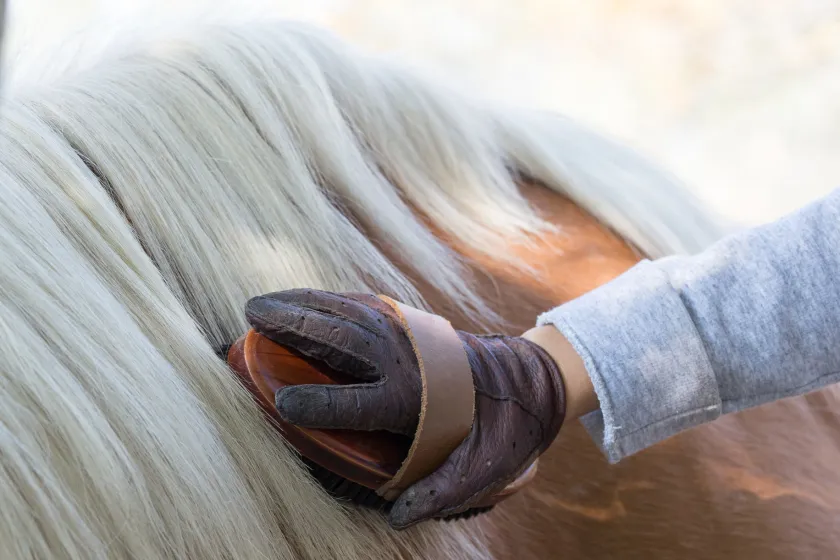
Draft breeds are known for their impressive size, strength, and especially their thick, luxurious coats. While these heavy coats provide essential protection against the elements, they also require specialized attention to keep your horse healthy and comfortable. Horse grooming for draft horses involves more than just regular brushing—it’s about understanding the unique needs of these gentle giants and adopting the right techniques and tools for the job.
Whether you’re preparing for show season or simply want to ensure your draft horse looks and feels their best, this article covers the essentials of maintaining a heavy coat, managing feathered legs, and preventing common skin issues. If you’re also interested in equestrian safety, you might find our guide on how to choose a helmet for eventing useful.
Understanding the Unique Grooming Needs of Draft Breeds
Large breeds like Clydesdales, Shires, and Percherons have coats and manes that are much denser than those of lighter riding horses. Their feathered legs, thick tails, and broad bodies can trap dirt, sweat, and moisture, making regular grooming a necessity for both appearance and health. Heavy coat care for draft horses is not just about aesthetics—it’s crucial for preventing skin conditions such as rain rot, scratches, and fungal infections.
The grooming process also provides an opportunity to check for injuries, parasites, and other health concerns that might be hidden beneath a thick coat. By establishing a routine, you can keep your horse’s skin and hair in top condition while strengthening your bond.
Essential Tools for Grooming Heavy Coats
Tackling a draft horse’s dense coat requires the right equipment. Here are some must-have tools for effective horse grooming for draft horses:
- Curry combs: Rubber or plastic curry combs are ideal for loosening dirt, mud, and shedding hair from thick coats.
- Dandy brushes: Stiff-bristled brushes help remove debris and distribute natural oils.
- Body brushes: Softer brushes are perfect for finishing and adding shine to the coat.
- Mane and tail combs: Wide-tooth combs or brushes prevent breakage in thick manes and tails.
- Feather brushes: Specialized brushes or even human hairbrushes can help detangle and clean feathered legs.
- Shedding blades: Especially useful during seasonal coat changes to remove loose hair efficiently.
Investing in a quality grooming kit tailored for large breeds can make the process smoother and more comfortable for both you and your horse.
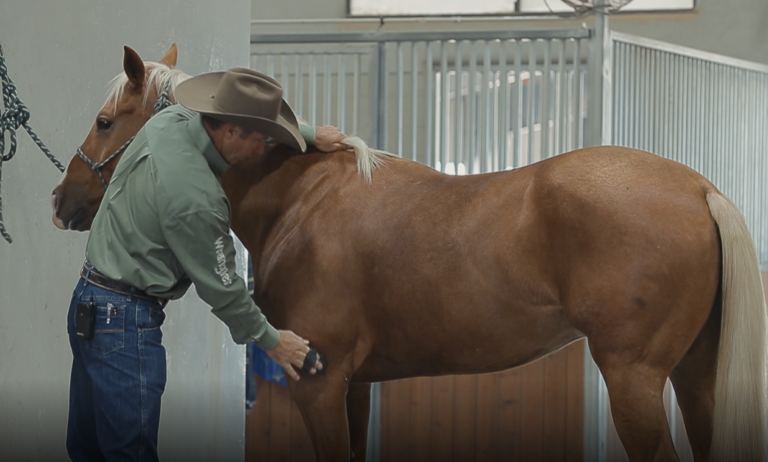
Step-by-Step Routine for Maintaining a Healthy Heavy Coat
Establishing a consistent grooming routine is key to managing a draft horse’s thick hair. Here’s a practical approach:
- Start with the curry comb: Move in small, circular motions to loosen dirt and hair. Pay special attention to areas where sweat accumulates, such as under the mane, behind the elbows, and along the back.
- Use a dandy brush: Flick away loosened debris, working in the direction of hair growth. This helps remove dust and stimulates the skin.
- Finish with a body brush: Smooth the coat and bring out its natural shine. Use gentle strokes, especially on sensitive areas.
- Detangle mane and tail: Apply a detangler or conditioner if needed, then use a wide-tooth comb or brush. Work from the bottom up to avoid pulling out hair.
- Clean feathered legs: Gently brush out feathers, checking for mud, burrs, or signs of irritation. If feathers are muddy, rinse and dry thoroughly to prevent skin infections.
- Inspect for skin issues: Look for signs of rain rot, scratches, or parasites. Address any problems promptly to prevent escalation.
During shedding season, use a shedding blade or grooming block to remove excess hair. Regular grooming not only keeps your horse looking great but also supports circulation and overall well-being.
Managing Feathered Legs and Preventing Skin Problems
One of the most distinctive features of many draft breeds is their long, flowing leg feathers. While beautiful, these feathers can trap moisture and debris, making them prone to skin conditions like scratches (pastern dermatitis) and fungal infections.
- Keep feathers clean and dry: After turnout or bathing, ensure legs are thoroughly dried. Moisture trapped in feathers can quickly lead to skin problems.
- Trim when necessary: If feathers become unmanageable or if your horse is prone to skin issues, consider trimming them back slightly for easier maintenance.
- Check daily: Inspect feathers for mud, burrs, or signs of irritation. Early detection is key to preventing infections.
- Use medicated shampoos: For horses prone to skin issues, periodic washing with a gentle, medicated shampoo can help keep skin healthy.
For more in-depth information on the basics of grooming, you can refer to this comprehensive guide to horse grooming.
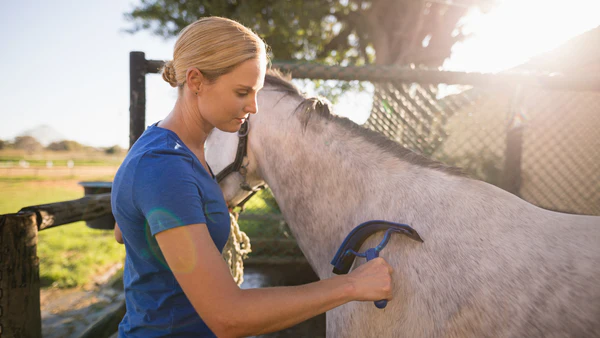
Seasonal Considerations for Draft Horse Grooming
The needs of draft breeds change with the seasons. In winter, their coats grow even thicker, providing insulation but also increasing the risk of matting and skin issues. During warmer months, shedding can be intense, requiring more frequent grooming sessions.
- Winter: Focus on keeping the coat clean and free of mud. Avoid over-bathing, as this can strip natural oils and dry out the skin.
- Spring: Use shedding tools to help remove the heavy winter coat. Regular grooming helps prevent hair from matting and keeps your horse comfortable.
- Summer: Monitor for sweat buildup under tack and in thick areas. Bathe as needed to prevent skin irritation.
- Fall: Prepare for the incoming winter coat by maintaining a regular grooming schedule and checking for early signs of skin problems.
Adjust your grooming routine as needed to match the changing needs of your horse throughout the year.
Tips for a Positive Grooming Experience
Grooming is more than a chore—it’s an opportunity to build trust and connection with your horse. Here are some tips for making the process enjoyable for both of you:
- Work in a calm, quiet environment to help your horse relax.
- Use gentle, consistent movements and talk to your horse throughout the process.
- Reward good behavior with treats or scratches in favorite spots.
- Be patient, especially if your horse is new to grooming or sensitive in certain areas.
- Take breaks if needed, particularly during longer sessions or when working on tangled feathers or manes.
A positive grooming routine not only keeps your draft horse looking their best but also strengthens your partnership.
Frequently Asked Questions
How often should I groom my draft horse?
Ideally, draft horses should be groomed at least three to four times a week, with daily attention during shedding seasons or wet weather. Regular grooming helps prevent matting, skin issues, and keeps the coat healthy.
What’s the best way to manage feathered legs?
Keep feathers clean and dry, check daily for debris or irritation, and use a gentle brush or comb to detangle. If your horse is prone to skin problems, consider trimming feathers slightly and using medicated shampoos as needed.
Can I use the same grooming tools for draft horses as for lighter breeds?
While some tools are universal, draft breeds often benefit from larger, sturdier brushes and combs designed for thick coats and heavy manes. Investing in equipment made for large horses makes grooming more effective and comfortable.
How do I prevent skin infections in heavy-coated horses?
Regular grooming, keeping feathers and coats dry, and promptly addressing any cuts or irritations are key. Monitor for signs of rain rot, scratches, or fungal infections and consult your veterinarian if issues persist.