

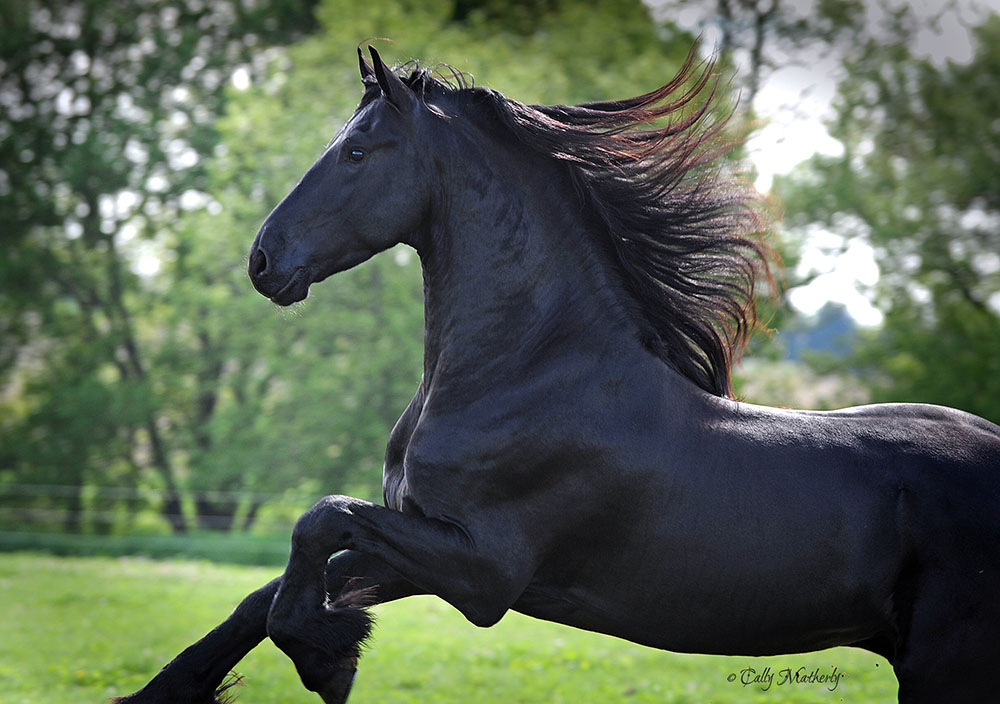
Friesian horses are admired for their striking appearance and calm, intelligent nature. Successfully halter training a Friesian horse is an essential foundation for building trust, ensuring safety, and preparing your horse for more advanced handling. This process requires patience, consistency, and a gentle approach tailored to the unique temperament of the Friesian breed.
Whether you’re working with a young foal or introducing an adult horse to halter work, understanding the right techniques and mindset is key. This article will walk you through each stage, from initial preparation to confidently leading your Friesian with ease. For those interested in learning more about the breed’s background and care, the complete guide to Friesian horses offers valuable insights.
Understanding Your Friesian’s Temperament
Before beginning any halter work, it’s important to consider the natural disposition of Friesians. Known for their willingness and gentle spirit, Friesians are generally receptive to training but can be sensitive to harsh methods. Building a positive relationship through trust and respect is especially important with this breed.
Spend time observing your horse’s body language and reactions. Recognizing signs of stress or comfort will help you adjust your approach and avoid setbacks. For more on interpreting equine signals, see this resource on equine behavior and communication.
Preparing for Halter Training
Proper preparation sets the stage for a smooth halter training experience. Here’s what you’ll need:
- Quality halter and lead rope – Choose equipment that fits well and is comfortable for your horse.
- Safe, enclosed area – A round pen or small paddock minimizes distractions and ensures safety.
- Grooming supplies – Regular grooming before training helps your horse relax and associate handling with positive experiences.
- Patience and time – Allow plenty of time for each session, keeping them short and positive.
Grooming your Friesian before each session not only keeps their coat healthy but also reinforces trust. Consider using a gentle grooming kit and quality mane and tail products to make the process enjoyable for both you and your horse.
Step 1: Introducing the Halter
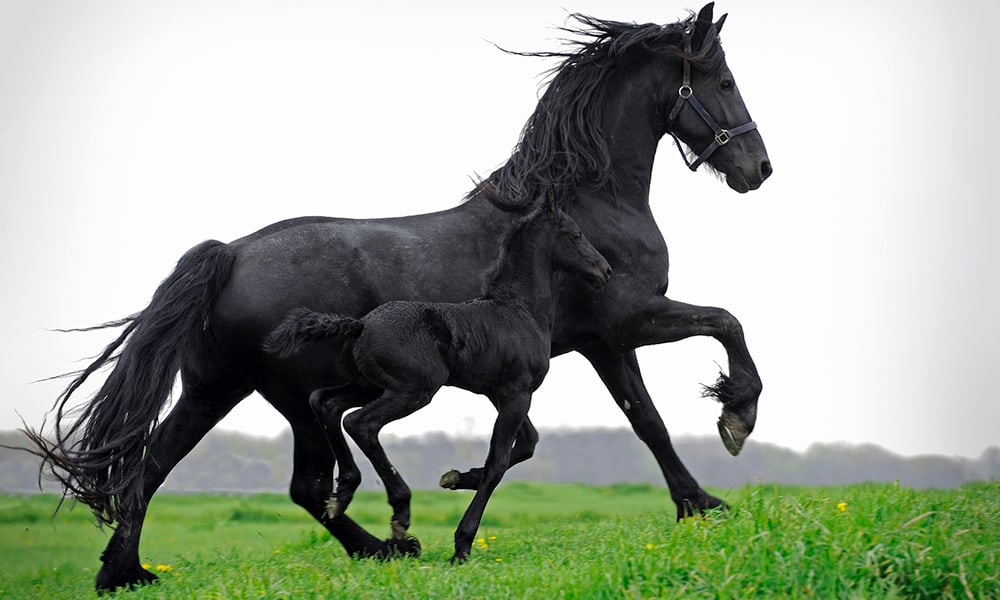
The first step in halter training a Friesian horse is helping your horse become comfortable with the halter itself. Hold the halter in your hand and let your horse sniff and inspect it. Speak softly and reward curiosity with gentle strokes or treats.
- Stand quietly beside your horse’s shoulder, avoiding sudden movements.
- Touch your horse’s neck and poll area with the halter, gradually increasing contact.
- Once your horse is relaxed, gently slip the halter over the nose and behind the ears, fastening it securely but not too tight.
- Remove and replace the halter several times, rewarding calm behavior each time.
Repeat this process over several sessions if needed. The goal is for your Friesian to associate the halter with positive, stress-free experiences.
Step 2: Teaching to Yield and Stand
With the halter on, the next focus is teaching your horse to yield to gentle pressure and stand quietly. This lays the groundwork for safe, responsive leading.
- Apply light pressure to the lead rope and wait for your horse to take a step or shift weight toward you.
- Release the pressure immediately and offer praise or a small treat.
- Practice asking your horse to move forward, backward, and to the side using gentle cues.
- Encourage standing still by rewarding calmness and patience.
Keep sessions short—about 10 to 15 minutes—and end on a positive note. Consistency and gentle repetition are key to building understanding and trust.
Step 3: Leading Your Friesian with Confidence
Once your horse responds well to pressure, begin practicing leading. Stand at your horse’s shoulder, hold the lead rope with both hands, and walk forward confidently. If your horse hesitates, use a soft voice and gentle encouragement.
- Walk a few steps, then stop and ask your horse to halt beside you.
- Practice turns, backing up, and walking at different speeds.
- Reward cooperation and correct gently if your horse crowds or lags.
Friesians are intelligent and often eager to please. With patience, your horse will soon walk calmly beside you, attentive to your cues.
Common Challenges in Halter Training Friesians
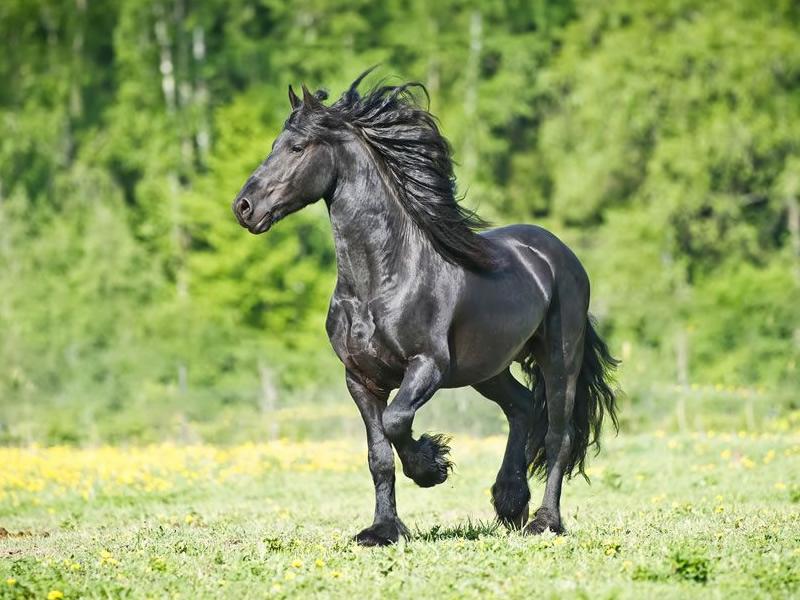
Even with a gentle approach, you may encounter some challenges during the training process. Friesians, while generally cooperative, can sometimes be stubborn or distracted, especially in new environments. Here are a few tips for overcoming common issues:
- Reluctance to move: Use soft encouragement and avoid pulling. Try changing direction or offering a treat as motivation.
- Pulling or crowding: Stop and ask your horse to back up. Reinforce personal space with calm, consistent cues.
- Fear of the halter: Go back to basics, allowing more time for your horse to become comfortable with the equipment.
Remember, patience and positive reinforcement are your best tools. If progress stalls, take a break and return to earlier steps.
Maintaining Progress and Building Trust
Consistency is crucial for long-term success. Continue practicing halter skills regularly, incorporating them into daily routines such as grooming, turnout, and vet visits. This reinforces good behavior and deepens your bond with your Friesian.
For those balancing multiple responsibilities, these equestrian lifestyle tips can help you make the most of your time at the barn while ensuring your horse receives the attention and training needed.
As your horse becomes more confident, you can gradually introduce new environments and distractions, always rewarding calm, cooperative behavior.
Additional Care Tips for Friesian Horses
Beyond halter work, Friesians require attentive care to maintain their health and beauty. Their thick manes and tails benefit from regular grooming and quality products. For comprehensive advice on nutrition, exercise, and grooming, visit this Friesian horse care guide.
Understanding your responsibilities as an owner is also key. For a broader look at what’s involved in horse care, explore this article on horse ownership responsibilities.
Frequently Asked Questions
How long does it take to halter train a Friesian?
The timeline varies depending on the horse’s age, temperament, and previous handling. Some Friesians may become comfortable with the halter in just a few sessions, while others require several weeks of consistent, gentle practice. Patience and positive reinforcement are essential for lasting results.
Can you halter train an adult Friesian who has never worn a halter?
Yes, adult Friesians can be introduced to halter work using the same gentle, step-by-step approach as with foals. Progress may be slower, and it’s important to move at the horse’s pace, rewarding calmness and cooperation at every stage.
What should I do if my Friesian resists the halter or becomes anxious?
If your horse shows signs of anxiety or resistance, pause and return to the previous step. Allow more time for your horse to become comfortable with the halter and handling. Avoid force and focus on building trust through calm, positive experiences.
Conclusion
Successfully halter training a Friesian horse is a rewarding process that strengthens your relationship and lays the groundwork for all future handling. By understanding your horse’s unique temperament, preparing thoughtfully, and using gentle, consistent methods, you can guide your Friesian to become a confident, responsive partner. Remember to celebrate small victories, maintain patience, and always prioritize your horse’s well-being throughout the journey.