

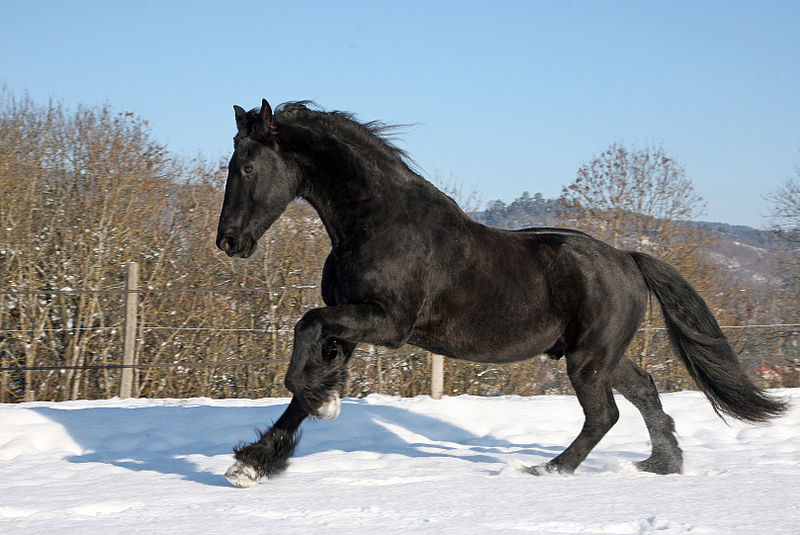
Maintaining a healthy weight is essential for the well-being and longevity of Friesian horses. These majestic animals are known for their striking appearance, impressive stature, and gentle temperament. However, their unique build and metabolism can make them prone to weight-related challenges. Understanding the specific needs of this breed is the first step toward effective Friesian horse weight management.
Whether you are a new owner or an experienced equestrian, learning how to monitor, adjust, and support your horse’s condition is crucial. This article explores the best practices for keeping your Friesian fit, energetic, and free from common health problems associated with improper weight control.
For a comprehensive overview of this breed’s history, characteristics, and care requirements, visit the complete guide to Friesian horses.
Understanding Friesian Horse Body Condition
Friesians are naturally robust, with a heavy bone structure and a tendency to develop a thick mane and tail. Their metabolism differs from lighter breeds, making them more susceptible to gaining excess weight if not managed carefully. Proper weight control for Friesians starts with understanding what a healthy body condition looks like for this breed.
- Ideal Weight Range: Adult Friesians typically weigh between 1,200 and 1,400 pounds, depending on height and muscle mass.
- Body Condition Scoring (BCS): Use a 1–9 scale to assess fat coverage over ribs, neck, withers, and tailhead. A score of 5–6 is generally considered optimal.
- Visual and Hands-On Checks: Regularly run your hands over your horse’s ribs and back. You should feel the ribs easily but not see them prominently.
Monitoring these indicators helps you catch weight fluctuations early and adjust care routines as needed.
Key Factors Influencing Friesian Horse Weight
Several elements contribute to the overall condition of a Friesian. Recognizing these factors enables more effective Friesian horse weight management and helps prevent both underweight and overweight issues.
- Diet and Nutrition: Friesians require a balanced diet rich in fiber but moderate in calories. Overfeeding grains or high-sugar feeds can quickly lead to weight gain.
- Exercise: Regular physical activity is vital for maintaining muscle tone and burning excess calories. Friesians benefit from both structured workouts and turnout time.
- Age and Metabolism: Young and senior horses have different nutritional needs. Older Friesians may need more careful monitoring due to slower metabolism.
- Health Status: Conditions such as metabolic syndrome, Cushing’s disease, or thyroid imbalances can affect weight. Routine veterinary check-ups are essential.
Feeding Strategies for Optimal Condition
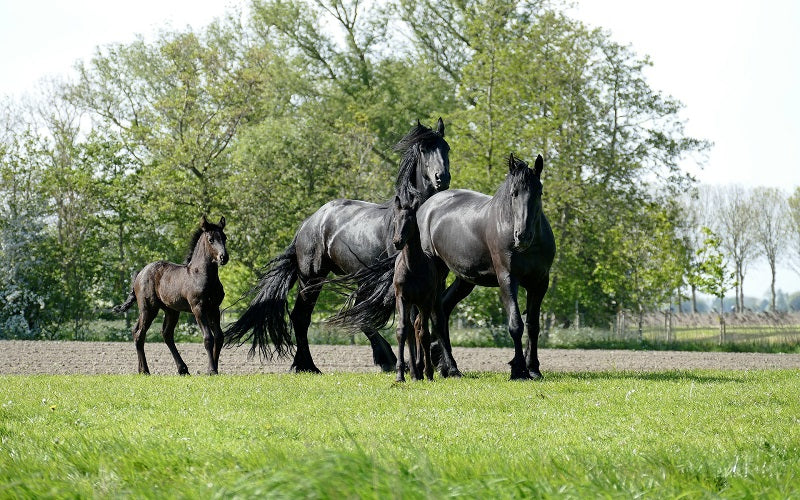
Nutrition is at the heart of effective weight management for Friesian horses. Their diet should be tailored to support their size, workload, and individual metabolism.
- Forage First: High-quality hay or pasture should make up the majority of your horse’s diet. Aim for 1.5–2% of body weight in forage daily.
- Limit Concentrates: Only add grains or commercial feeds if your Friesian is in heavy work or struggling to maintain weight. Otherwise, these can contribute to obesity.
- Monitor Treats and Supplements: Avoid sugary treats and be cautious with supplements that add unnecessary calories.
- Feed Consistency: Offer meals at regular intervals to support digestive health and prevent binge eating.
Consulting with an equine nutritionist can help you fine-tune your horse’s diet and address any specific concerns.
Exercise and Activity Recommendations
Physical activity is crucial for keeping Friesians lean and healthy. Their calm nature sometimes leads to less spontaneous movement, so structured exercise is especially important.
- Daily Turnout: Allow your horse ample time in a paddock or pasture to encourage natural movement.
- Riding and Training: Incorporate a mix of walking, trotting, and cantering. Vary routines to keep your horse engaged and build muscle.
- Groundwork: Lunging, long-lining, and liberty work can supplement ridden exercise, especially for horses recovering from injury or those not in regular work.
Adjust the intensity and duration of exercise based on your horse’s age, fitness level, and health status.
Monitoring Progress and Adjusting Care
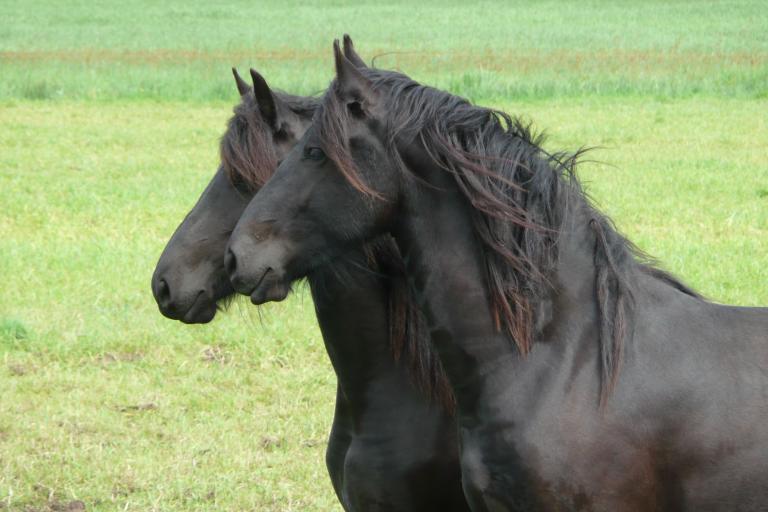
Regularly tracking your horse’s weight and body condition is key to long-term success. Here are some practical tips for ongoing management:
- Weigh Tape or Scale: Use a weigh tape or livestock scale monthly to monitor changes.
- Photographic Records: Take monthly photos from the side and rear to visually track progress.
- Adjust Feed and Exercise: Make small, gradual changes to diet or activity based on your observations, rather than drastic shifts.
- Veterinary Support: Schedule regular check-ups to catch any underlying health issues early.
Consistency and patience are essential. Sudden changes can stress your horse and disrupt digestive health.
Common Health Risks of Poor Weight Control
Improper Friesian horse weight management can lead to a range of health concerns. Some of the most common risks include:
- Laminitis: Overweight horses are at higher risk for this painful hoof condition.
- Metabolic Disorders: Friesians can develop insulin resistance or equine metabolic syndrome if allowed to become obese.
- Joint and Mobility Issues: Carrying excess weight puts strain on joints, increasing the risk of arthritis and lameness.
- Poor Performance: Both underweight and overweight horses may struggle with stamina, strength, and recovery.
Preventing these issues through proactive care is far easier than treating them after they arise.
Breed-Specific Considerations for Friesians
Friesian horses have unique characteristics that influence their weight management needs. Their thick coats and heavy manes can sometimes mask subtle changes in body condition, making regular hands-on checks even more important. Additionally, their calm demeanor may lead owners to underestimate their exercise requirements.
For more insights into the breed’s temperament and suitability for various equestrian activities, explore this detailed Friesian horse breed profile.
Owners should also be aware that Friesians may be more sensitive to certain feeds or environmental changes. Working closely with your veterinarian and equine nutritionist ensures your horse receives the best possible care tailored to their individual needs.
Integrating Weight Management Into Daily Care
Effective weight management for Friesians is not a one-time effort but an ongoing process. Incorporate these practices into your daily routine:
- Routine Grooming: Regular grooming sessions help you spot changes in muscle tone or fat coverage and strengthen your bond with your horse.
- Consistent Schedules: Feed, exercise, and turnout should occur at similar times each day to support metabolic health.
- Record Keeping: Maintain logs of feed amounts, exercise routines, and weight measurements for reference.
- Education: Stay informed about the latest research and recommendations for Friesian care. Resources like the equine behavior and communication guide can deepen your understanding of your horse’s needs.
Frequently Asked Questions
What is the ideal weight for a Friesian horse?
Most adult Friesians should weigh between 1,200 and 1,400 pounds, depending on their height, build, and muscle mass. Always use body condition scoring and hands-on checks to assess if your horse is at a healthy weight rather than relying solely on the scale.
How can I tell if my Friesian is overweight?
Signs of excess weight include difficulty feeling ribs, fat deposits along the neck and tailhead, and a lack of visible muscle definition. Using a body condition score chart and consulting with your veterinarian can help you determine if your horse is carrying too much weight.
What are the main risks of poor weight management in Friesians?
Common risks include laminitis, metabolic syndrome, joint issues, and decreased performance. Proactive care, including a balanced diet and regular exercise, helps prevent these health problems and keeps your horse thriving.