

The world of draft and sport horses is filled with magnificent breeds, but few capture attention quite like the Friesian and the Clydesdale. Each breed boasts a rich history, distinctive appearance, and unique set of strengths. Whether you’re considering which horse might suit your needs or simply want to understand how these two giants compare, this guide will break down their differences in size, personality, and typical roles.
Before diving into the details, those interested in a deep dive on one of these breeds can explore the complete guide to Friesian horses for more background. Now, let’s explore how these two impressive horses stand apart and where they overlap.
Physical Differences Between Friesian and Clydesdale Horses
One of the most obvious distinctions between these breeds lies in their size and build. Both are large, powerful horses, but their proportions and features set them apart.
Height and Weight
- Friesians typically stand between 15.3 and 17 hands high (about 63 to 68 inches at the withers) and weigh between 1,200 and 1,400 pounds.
- Clydesdales are taller and heavier, often reaching 16 to 18 hands (64 to 72 inches) and weighing 1,600 to 2,000 pounds or more.
While both breeds are considered large, the Clydesdale is generally more massive and robust, bred for heavy draft work. Friesians, on the other hand, are slightly lighter and more agile, making them suitable for both harness and riding disciplines.
Appearance and Coloring
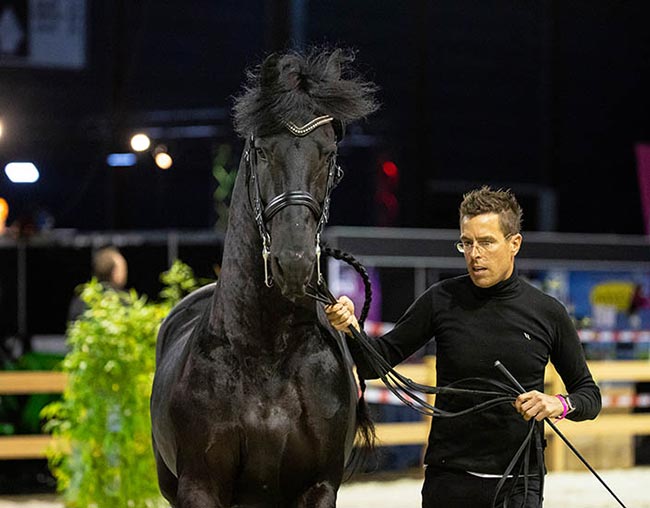
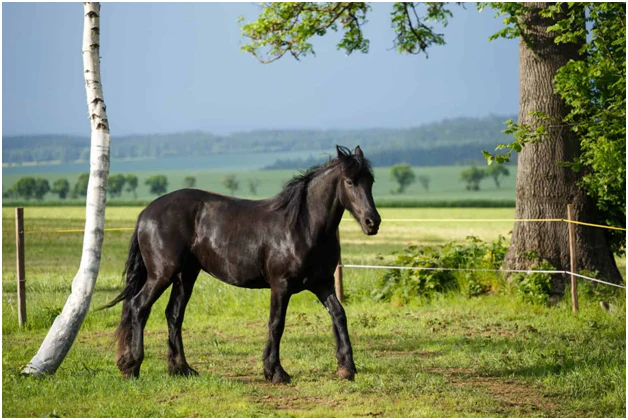
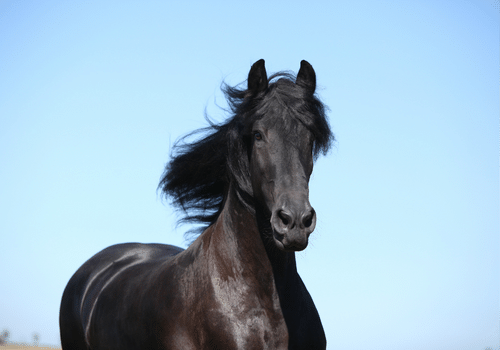
Friesians are famous for their striking black coats, long flowing manes, and feathered legs. Their elegant, arched necks and expressive faces contribute to their regal look. Clydesdales, meanwhile, are most often bay with white markings on the face and legs, and their abundant feathering is a signature trait. Their heads are broader, and their bodies are more heavily muscled, reflecting their draft heritage.
Temperament and Personality Traits
When comparing the Friesian horse and Clydesdale in terms of temperament, both breeds are known for their gentle and willing nature, but there are subtle differences that may influence a prospective owner’s choice.
- Friesians are often described as intelligent, eager to please, and highly trainable. They form strong bonds with their handlers and are known for their sensitivity and expressive personalities.
- Clydesdales are renowned for their calm, patient demeanor. Their steady temperament makes them excellent for public events, parades, and situations where a reliable, unflappable horse is needed.
Both breeds are suitable for families and novice handlers, but Friesians may require a more experienced rider due to their energy and responsiveness. Clydesdales, with their laid-back attitude, are often chosen for their predictability and steadiness.
Understanding equine behavior and communication can help owners work effectively with either breed, ensuring a positive relationship and safe handling.
Primary Uses and Suitability
While both horses have roots in draft work, their modern uses have evolved. The Friesian horse vs Clydesdale comparison is especially relevant for those considering which breed aligns best with their equestrian goals.
Friesian Horse Applications
- Dressage: Their natural movement and elegance make Friesians popular in dressage arenas.
- Driving: Friesians excel in carriage driving, both for competition and ceremonial events.
- Recreation: Many enjoy Friesians for pleasure riding and trail work.
- Film and Entertainment: Their striking looks have made them favorites in movies and shows.
Clydesdale Horse Roles
- Heavy Draft: Traditionally used for farm work and hauling, Clydesdales remain icons of strength.
- Parades and Shows: Their size and presence make them crowd-pleasers at public events.
- Carriage Rides: Clydesdales are often seen pulling wagons in urban and rural settings.
- Therapeutic Riding: Their calm nature can be beneficial in therapy programs.
For those new to horse care, understanding horse ownership responsibilities is crucial, as both breeds require significant time, space, and resources.
Care, Grooming, and Maintenance
Both Friesians and Clydesdales require attentive care, but their grooming needs differ slightly due to their coats and feathering.
- Friesians have long, thick manes and tails that require regular detangling and conditioning. Their black coats can fade in the sun, so some owners use sheets or keep them stabled during peak daylight hours.
- Clydesdales have heavy feathering on their legs, which must be kept clean and dry to prevent skin issues such as scratches. Their larger size also means more feed, bedding, and space are needed.
Both breeds benefit from high-quality grooming tools and products. Investing in the right supplies, such as a sturdy grooming kit and specialized shampoos, can make daily care more effective and enjoyable for both horse and handler.
Breed History and Conservation
The Friesian breed originates from the Friesland region of the Netherlands and has a history dating back centuries. Once used as war horses, they later became popular for carriage driving and riding. Clydesdales hail from Scotland, where they were bred for heavy farm and industrial work. Both breeds have faced periods of decline but have seen renewed interest in recent decades.
For those interested in breed preservation, the Livestock Conservancy’s overview of Friesian conservation provides valuable insight into efforts to maintain and promote these historic horses.
Choosing Between Friesian and Clydesdale Horses
Deciding which of these impressive breeds is the best fit depends on your goals, experience, and resources. Consider the following:
- If you value elegance, versatility in riding and driving, and a horse with a striking appearance, a Friesian may be ideal.
- If you need a powerful, steady draft horse for pulling, parades, or public events, the Clydesdale’s strength and calmness are unmatched.
- Both breeds require significant commitment in terms of care, space, and handling skills.
For those looking to deepen their connection with horses, reading about how to become a better horse owner can provide practical advice for building a rewarding partnership, regardless of breed.
Frequently Asked Questions
Are Friesians or Clydesdales Better for Beginners?
Both breeds are known for their gentle nature, but Clydesdales are often recommended for beginners due to their calm, steady temperament. Friesians can be suitable for novice owners with some guidance, especially if the horse has a laid-back personality, but their energy and sensitivity may require more experience.
Which Breed Is More Expensive to Maintain?
Clydesdales generally require more feed and larger facilities due to their greater size, which can increase costs. Friesians may have higher grooming needs, especially for their manes and tails, but overall, both breeds are considered high-maintenance compared to lighter horse breeds.
Can Friesians and Clydesdales Be Used for the Same Activities?
There is some overlap, especially in driving and ceremonial roles. However, Friesians are more commonly seen in dressage and riding disciplines, while Clydesdales excel in heavy draft work and public exhibitions. The choice depends on the specific activity and the individual horse’s training.
Conclusion
Both Friesians and Clydesdales are remarkable breeds, each with their own strengths, histories, and appeal. Whether you’re drawn to the elegance and versatility of the Friesian or the power and presence of the Clydesdale, understanding their differences in size, temperament, and uses will help you make an informed decision. For more tips on balancing horse care with daily life, check out these equestrian lifestyle tips to ensure a fulfilling experience with your chosen breed.