

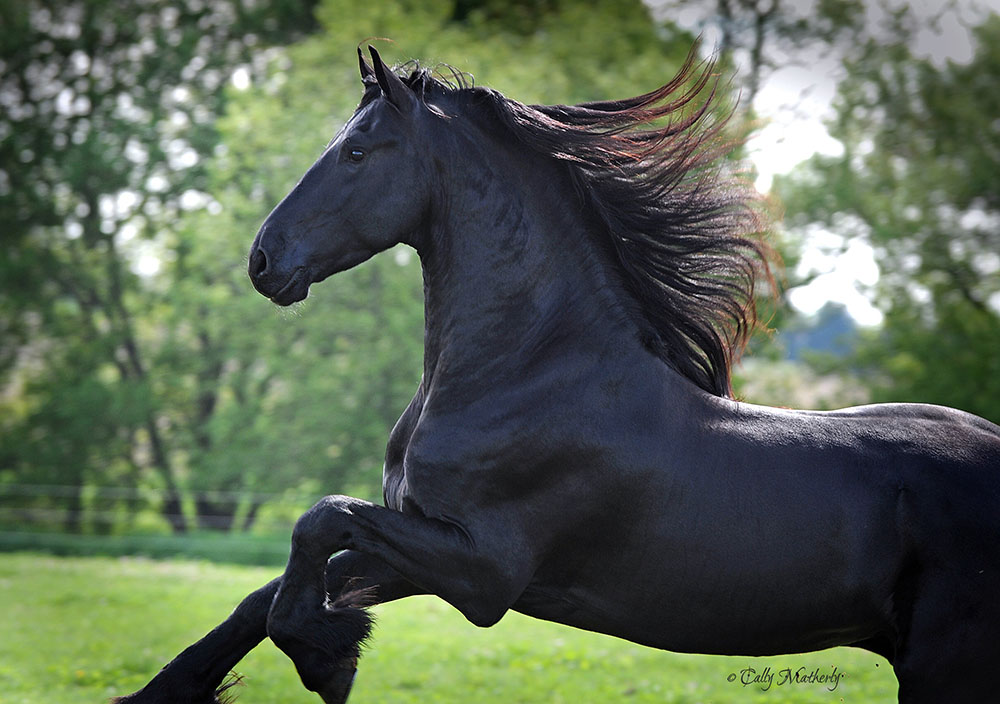
Friesian horse veterinary care is a vital aspect of maintaining the health, longevity, and performance of these majestic equines. Known for their striking appearance and gentle temperament, Friesians require attentive medical oversight tailored to their unique needs. Whether you are a seasoned owner or new to the breed, understanding the essentials of routine checkups, preventive measures, and breed-specific concerns will help ensure your horse thrives.
Alongside regular grooming and daily management, a comprehensive approach to health care is key. For those interested in broader aspects of horse management, you may also find value in exploring horse ownership responsibilities for a holistic perspective on equine well-being.
Understanding Routine Health Assessments for Friesians
Regular veterinary examinations are the cornerstone of proactive health management for Friesian horses. These checkups allow early detection of potential issues, help monitor ongoing conditions, and provide an opportunity to discuss nutrition, exercise, and preventive care. Ideally, a Friesian should have a comprehensive veterinary exam at least once a year, with additional visits as needed based on age, workload, and health status.
- Physical Examination: A head-to-tail assessment includes checking the eyes, teeth, heart, lungs, skin, and hooves.
- Vaccinations: Keeping up with core and risk-based vaccines protects against diseases such as tetanus, influenza, and West Nile virus.
- Deworming: Parasite control is essential. Your veterinarian can recommend a tailored deworming schedule based on fecal egg counts and regional risks.
- Dental Care: Friesians, like all horses, benefit from annual dental exams to prevent sharp points, uneven wear, and discomfort while eating or being ridden.
For a deeper dive into Friesian breed characteristics and care, the complete guide to Friesian horses provides extensive background and practical advice.
Breed-Specific Health Concerns and Preventive Strategies
While Friesians are generally robust, they are predisposed to certain medical conditions that require special attention. Being aware of these issues and working closely with your veterinarian can help minimize risks and improve outcomes.
- Hydrocephalus and Dwarfism: These genetic conditions, though rare, are more prevalent in Friesians. Responsible breeding practices and genetic testing are recommended for breeding stock.
- Megaesophagus: This disorder affects the esophagus and can cause difficulty swallowing. Early signs include coughing, nasal discharge, and weight loss. Prompt veterinary intervention is crucial.
- Tendon and Ligament Issues: Friesians’ upright conformation can lead to suspensory ligament problems. Regular exercise, proper hoof care, and avoiding excessive work on hard surfaces help reduce the risk.
- Skin Conditions: The breed’s long feathers and thick mane can trap moisture, making them susceptible to scratches and fungal infections. Routine grooming and keeping legs dry are effective preventive measures.
Essential Medical Tips for Friesian Owners
Maintaining optimal health in Friesians involves more than scheduled checkups. Daily observation and good management practices are crucial. Here are some practical tips to keep your horse in top condition:
- Monitor Vital Signs: Learn to check your horse’s temperature, pulse, and respiration. Early detection of abnormalities can make a significant difference in outcomes.
- Hydration and Nutrition: Provide clean water at all times and feed a balanced diet appropriate for your horse’s age, workload, and body condition. Friesians may be prone to weight gain, so monitor their intake carefully.
- Hoof Care: Regular trimming by a knowledgeable farrier is essential. Friesians’ large, feathered hooves can be prone to thrush if not kept clean and dry.
- Grooming: Daily grooming not only keeps the coat and feathers in good condition but also allows you to check for injuries, swelling, or signs of skin problems. Using quality grooming tools and gentle shampoos can help maintain their signature look.
- Parasite and Pest Control: In addition to deworming, use fly sprays and keep stabling areas clean to reduce the risk of insect-borne diseases.
For more practical advice on balancing barn time with daily routines, equestrian lifestyle tips can offer helpful strategies for busy owners.
Working with Your Veterinarian for Friesian Wellness
Building a strong partnership with your veterinarian is essential for managing the unique health needs of Friesians. Open communication ensures that you stay informed about preventive care, vaccination schedules, and emerging health concerns. Consider scheduling routine wellness checks and maintaining a detailed health record for your horse, including vaccination dates, dental exams, and any medical treatments.
It’s also wise to discuss emergency protocols with your veterinarian. Knowing how to recognize signs of colic, lameness, or acute illness—and when to call for immediate help—can be lifesaving. For more in-depth information about Friesian-specific care, this Friesian care resource provides additional insights and best practices.
Supporting Friesian Health Through Daily Management
Beyond veterinary care, daily routines play a significant role in keeping Friesians healthy and happy. Consistency in feeding, turnout, and exercise helps prevent stress-related issues and supports both physical and mental well-being. Social interaction with other horses, access to clean shelter, and regular observation for changes in behavior or appetite are all important aspects of daily management.
Understanding your horse’s body language and behavior can also alert you to subtle signs of discomfort or illness. For those seeking to deepen their understanding of equine communication, the article on equine behavior and communication is a valuable resource.
Frequently Asked Questions
What vaccinations are recommended for Friesian horses?
Core vaccinations typically include tetanus, Eastern and Western equine encephalomyelitis, West Nile virus, and rabies. Depending on your region and horse’s exposure, your veterinarian may also recommend influenza, rhinopneumonitis, and strangles vaccines. Annual boosters and risk-based vaccines should be discussed during routine checkups.
How often should a Friesian horse have a dental exam?
Dental exams are recommended at least once per year for adult Friesians. Young horses, seniors, or those with dental issues may require more frequent assessments. Regular dental care helps prevent sharp points, uneven wear, and discomfort while eating or being ridden.
Are Friesians more prone to certain health issues compared to other breeds?
Yes, Friesians have a higher risk for some genetic and conformational conditions, such as hydrocephalus, dwarfism, and suspensory ligament problems. They may also be more susceptible to skin infections due to their heavy feathering. Working with a veterinarian familiar with the breed helps address these risks proactively.
What are some daily management tips for maintaining Friesian health?
Provide clean water, a balanced diet, and regular turnout. Groom daily to keep the coat and feathers clean and to check for injuries or skin issues. Maintain a consistent schedule for hoof care, parasite control, and exercise. Observing your horse’s behavior and appetite can help you spot health concerns early.
By following these guidelines and working closely with your veterinarian, you can help your Friesian enjoy a long, healthy, and active life. For those looking to deepen their bond and skills as an owner, the article on how to become a better horse owner offers practical advice for building a strong partnership with your equine companion.