

Friesian horses are admired for their beauty, intelligence, and gentle temperament, making them a popular choice among equestrians. However, working with this unique breed requires a thoughtful approach to training. Even experienced horse owners can make errors that hinder progress or compromise the horse’s well-being. Recognizing the most common Friesian horse training mistakes to avoid is crucial for anyone seeking to build a strong, positive relationship with their equine partner.
This article explores frequent pitfalls in Friesian horse training and provides practical, expert-backed strategies to help you achieve better results. Whether you’re new to the breed or looking to refine your methods, understanding these challenges will set you and your Friesian up for long-term success. For a comprehensive overview of the breed’s history, care, and characteristics, you may also find the complete guide to Friesian horses helpful as a foundational resource.
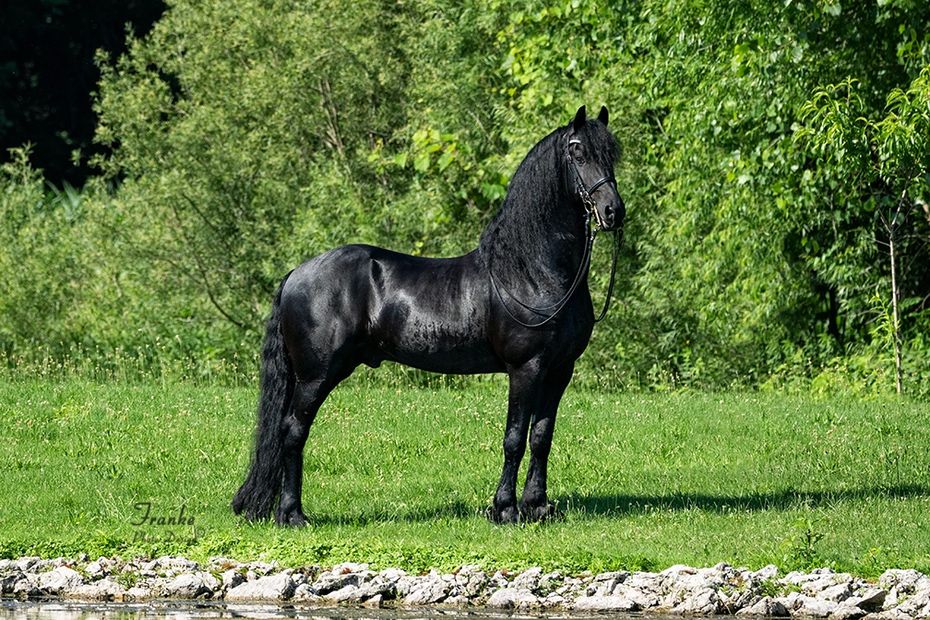
Understanding Friesian Temperament and Training Needs
Friesians are known for their willing attitude and intelligence, but they also possess sensitivity that requires a gentle, consistent approach. Unlike some other breeds, Friesians may react strongly to abrupt changes or harsh methods. Recognizing their unique temperament is the first step in avoiding common training errors.
Before diving into specific mistakes, it’s important to understand that Friesians thrive on routine, clear communication, and positive reinforcement. Their eagerness to please makes them responsive, but also means they can become anxious or resistant if confused or overwhelmed. For more insight into equine communication, the article on equine behavior and communication offers valuable tips on reading your horse’s body language.
Overlooking the Importance of Groundwork
One of the most frequent Friesian horse training mistakes to avoid is neglecting groundwork. Skipping foundational exercises can lead to issues with respect, trust, and responsiveness under saddle. Groundwork builds a horse’s confidence, reinforces boundaries, and establishes a clear line of communication between horse and handler.
- Lunging helps Friesians learn voice commands and develop balance.
- Leading exercises reinforce respect for personal space.
- Desensitization prepares the horse for new experiences and reduces spookiness.
Investing time in groundwork pays off with a more attentive and relaxed horse during mounted work.
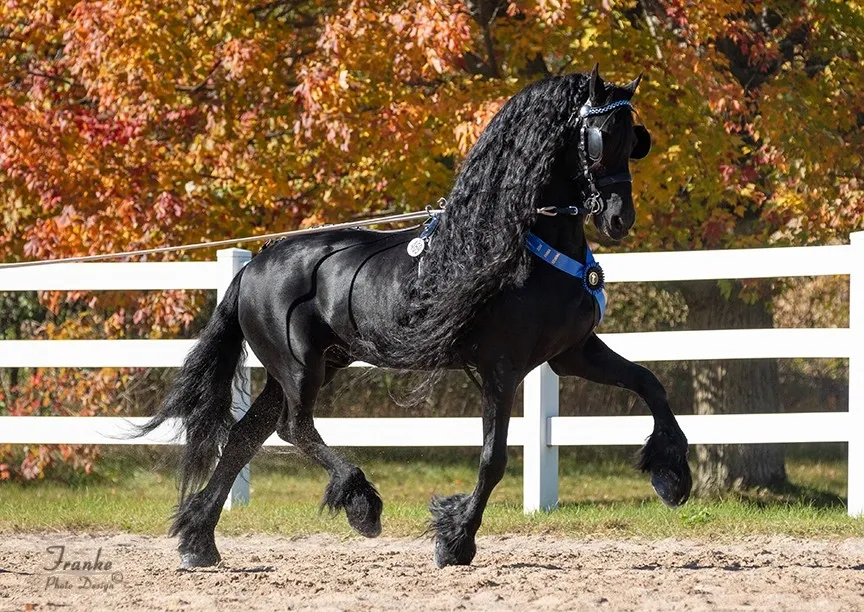
Using Inconsistent Cues and Signals
Another key pitfall in Friesian training is inconsistency. Friesians are quick learners, but they can become confused if cues change from session to session. This confusion can lead to frustration, resistance, or even dangerous behaviors.
To avoid this, always use the same aids for specific actions. For example, if you use a verbal cue for walk, stick with it every time. Consistency helps your horse understand what’s expected and builds trust in your leadership.
Expecting Too Much, Too Soon
Friesians are athletic and eager, but pushing them too quickly can result in setbacks. Rushing training or skipping steps often leads to stress, physical strain, or behavioral problems. This is a common Friesian horse training mistake to avoid, especially among enthusiastic new owners.
Break tasks into manageable steps and celebrate small victories. Allow your horse time to process and master each skill before moving on. Patience is especially important with young or inexperienced Friesians, whose bodies and minds are still developing.
For more on balancing your equestrian pursuits with daily responsibilities, see our guide on equestrian lifestyle tips.
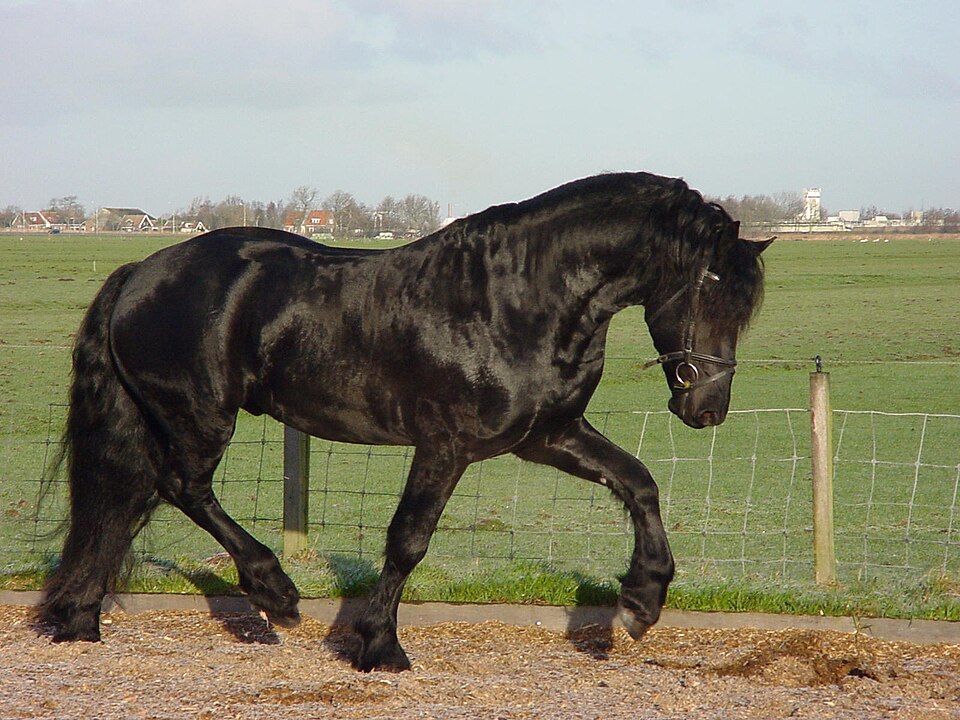
Neglecting Physical Conditioning and Health
Friesians have powerful builds and flowing manes, but they are prone to certain health issues, including metabolic challenges and feather-related skin problems. Ignoring physical conditioning or failing to monitor health can lead to training setbacks and discomfort for your horse.
- Incorporate regular exercise that builds strength and flexibility.
- Pay attention to hoof care and grooming, especially around the feathers.
- Schedule routine veterinary and dental checkups.
Proper care supports your horse’s ability to learn and perform. For more on responsible equine care, our article on horse ownership responsibilities covers daily duties and long-term wellness.
Ignoring Mental Stimulation and Variety
Friesians are intelligent and can become bored with repetitive routines. Lack of mental stimulation is a frequent Friesian horse training mistake to avoid, as it can lead to sour attitudes or undesirable behaviors.
To keep your Friesian engaged:
- Vary the training environment and activities.
- Introduce obstacles, trail rides, or new groundwork exercises.
- Reward curiosity and problem-solving.
Enriching your horse’s routine not only prevents boredom but also strengthens your bond and enhances learning.
Relying on Harsh Methods or Equipment
Because Friesians are sensitive, harsh training tools or punitive techniques often backfire. Using severe bits, whips, or forceful corrections can damage trust and cause anxiety. Instead, focus on positive reinforcement and clear, gentle communication.
Reward-based training encourages cooperation and builds confidence. If you’re struggling with a particular issue, consider consulting a professional trainer familiar with the breed’s characteristics. For more on the Friesian’s conservation and unique qualities, explore the breed’s conservation story from The Livestock Conservancy.
Frequently Asked Questions
What are the most common training mistakes with Friesian horses?
Typical issues include skipping groundwork, inconsistent cues, rushing the training process, neglecting physical and mental needs, and using harsh equipment or methods. Addressing these areas can lead to a more successful partnership with your Friesian.
How can I build trust with my Friesian during training?
Focus on consistency, patience, and positive reinforcement. Spend time on groundwork, use clear signals, and reward good behavior. Avoid sudden changes or forceful corrections, as Friesians respond best to gentle, steady leadership.
Are Friesians suitable for beginners?
Friesians are generally gentle and willing, but their size and sensitivity may present challenges for inexperienced handlers. Beginners should work with a knowledgeable trainer and educate themselves on the breed’s needs. Reading resources like the complete guide to Friesian horses can provide valuable background information.
Conclusion
Training a Friesian horse is a rewarding journey that requires patience, consistency, and an understanding of the breed’s unique temperament. By avoiding the most common Friesian horse training mistakes, you’ll foster a trusting, productive relationship with your horse. Remember to prioritize groundwork, maintain clear communication, and provide both physical and mental enrichment. With the right approach, your Friesian will thrive as a willing and capable partner for years to come.