

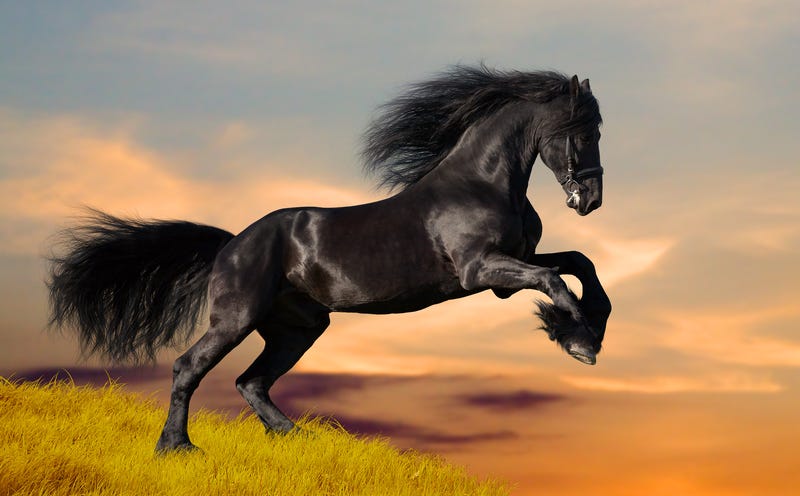
The majestic Friesian horse is admired for its striking appearance, gentle temperament, and athletic ability. However, beneath their beauty lies a unique set of hoof care needs. Proper hoof maintenance is essential for keeping these horses healthy, sound, and comfortable. Because Friesians have distinct hoof characteristics and are prone to certain issues, understanding the essentials of Friesian horse hoof care can make a significant difference in their well-being.
This guide covers practical prevention strategies, daily routines, and professional recommendations to help Friesian owners maintain strong, healthy hooves. Whether you’re new to the breed or looking to refine your care routine, you’ll find actionable advice for every season and situation.
For those interested in learning more about the breed’s unique traits and history, the article on interesting facts about Friesian horses provides valuable context and background.
Understanding Friesian Hoof Structure and Common Issues
Friesians are known for their elegant movement and feathered legs, but their hooves tend to be rounder, flatter, and softer than those of many other breeds. This makes them more susceptible to certain hoof problems, including:
- Thrush – a bacterial infection that thrives in moist, dirty environments
- Cracks and splits – due to softer hoof walls
- White line disease – a fungal or bacterial infection affecting the hoof’s inner structures
- Abscesses – pockets of infection that cause sudden lameness
Recognizing these risks early and implementing a consistent hoof care routine is the best way to prevent long-term issues.
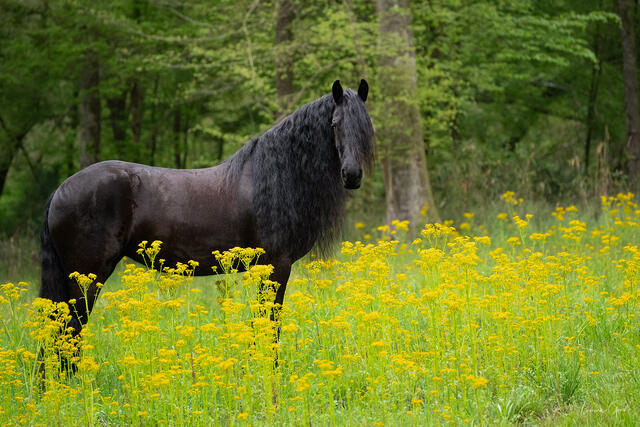
Daily and Weekly Hoof Maintenance for Friesians
Routine care is the cornerstone of Friesian horse hoof care. A consistent schedule helps prevent infections and keeps hooves strong. Here are the most important daily and weekly tasks:
- Pick out hooves daily – Remove dirt, manure, and stones to prevent thrush and bruising.
- Inspect for injuries – Check for cracks, heat, swelling, or foul odor, which may signal infection.
- Keep feathers clean and dry – Friesians’ long leg hair can trap moisture, so regular washing and drying are important.
- Apply hoof conditioner – Use a product recommended by your farrier to maintain moisture balance, especially in dry or wet seasons.
Weekly, take time to thoroughly clean the feathers and check for mites or skin irritation. This not only keeps your horse comfortable but also helps prevent secondary hoof issues.
Professional Trimming and Shoeing: What Friesian Owners Should Know
While daily care is essential, professional trimming and shoeing play a critical role in maintaining hoof health. Friesians often require more frequent trims because their hooves grow quickly and can become unbalanced if neglected. Most farriers recommend a schedule of every 5–7 weeks, but this can vary based on your horse’s workload and environment.
Some Friesians do well barefoot, especially if they are not in heavy work or on abrasive surfaces. However, horses with softer hooves or those prone to cracking may benefit from shoes or hoof boots. Discuss options with a farrier experienced in Friesian horse hoof care to determine the best approach for your horse’s needs.
For more on post-workout routines that support overall hoof and leg health, see the guide on Friesian horse recovery and rest.
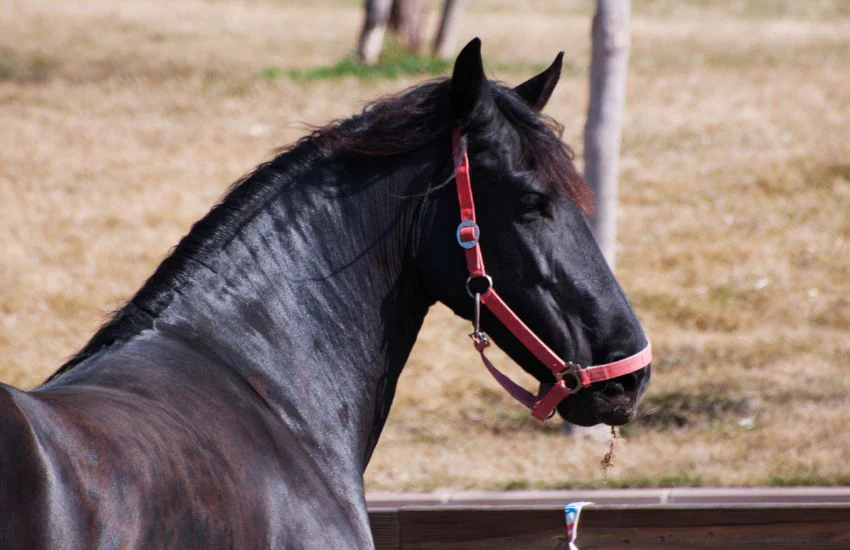
Environmental Management and Preventive Strategies
Environmental factors play a major role in hoof health. Friesians are particularly sensitive to wet, muddy, or unsanitary conditions. Here are some preventive strategies:
- Provide dry, clean turnout areas – Rotate pastures and use gravel or mats in high-traffic zones to reduce mud.
- Clean stalls regularly – Remove manure and wet bedding daily to minimize bacteria and moisture exposure.
- Monitor footing – Avoid prolonged turnout on rocky or excessively hard ground, which can bruise or crack hooves.
- Use topical treatments – In wet seasons, apply hoof hardeners or thrush preventatives as recommended by your farrier.
Maintaining a healthy environment is just as important as hands-on care. For more grooming insights, check out Friesian horse grooming tips for advice on keeping your horse’s coat and legs in top condition.
Nutrition’s Role in Hoof Strength
Diet is a foundational aspect of hoof quality. Friesians benefit from a balanced diet rich in biotin, methionine, zinc, and omega-3 fatty acids. These nutrients support strong hoof horn and promote healthy growth. If your horse’s hooves are brittle or slow-growing, consult your veterinarian about adding a hoof supplement.
Always ensure your horse has access to clean water and high-quality forage. Avoid sudden changes in feed, as this can disrupt hoof growth and overall health.
When to Call the Vet or Farrier
Even with excellent care, Friesians can develop hoof problems that require professional attention. Contact your veterinarian or farrier if you notice:
- Sudden or severe lameness
- Persistent foul odor or discharge
- Deep cracks, holes, or separation in the hoof wall
- Swelling, heat, or sensitivity in the lower leg
Prompt intervention can prevent minor issues from becoming serious problems. Regular checkups with your farrier and open communication with your vet are key to long-term hoof health.
Breed-Specific Resources and Continuing Education
Staying informed about Friesian-specific care is important for every owner. The Friesian Horse Association of North America offers a wealth of information on breed history, health, and management. For a deeper dive into the breed’s background, see the Friesian Horse: A Worldwide Respected Breed with a Long History.
Connecting with other Friesian owners, attending clinics, and working with experienced professionals will help you stay up to date on best practices for hoof care and overall management.
Frequently Asked Questions
How often should Friesian hooves be trimmed?
Most Friesians benefit from professional trimming every 5–7 weeks. However, the ideal interval depends on your horse’s age, activity level, and environment. Regular trims help maintain balance and prevent cracks or flares.
What are the signs of thrush in Friesian hooves?
Common signs include a strong, foul odor, black or gray discharge, and a soft, crumbly frog. Thrush is more likely in wet, dirty conditions, so keeping hooves clean and dry is essential for prevention.
Can Friesians go barefoot, or do they need shoes?
Many Friesians do well barefoot, especially if they are not in heavy work or on abrasive surfaces. Horses with softer hooves or those prone to cracking may need shoes or hoof boots. Consult your farrier to determine the best approach for your horse.
Conclusion
Maintaining healthy hooves is a cornerstone of Friesian horse care. By combining daily routines, professional support, and environmental management, owners can prevent most common hoof problems and help their horses thrive. Staying informed and proactive ensures that your Friesian remains sound, comfortable, and ready for any activity.