

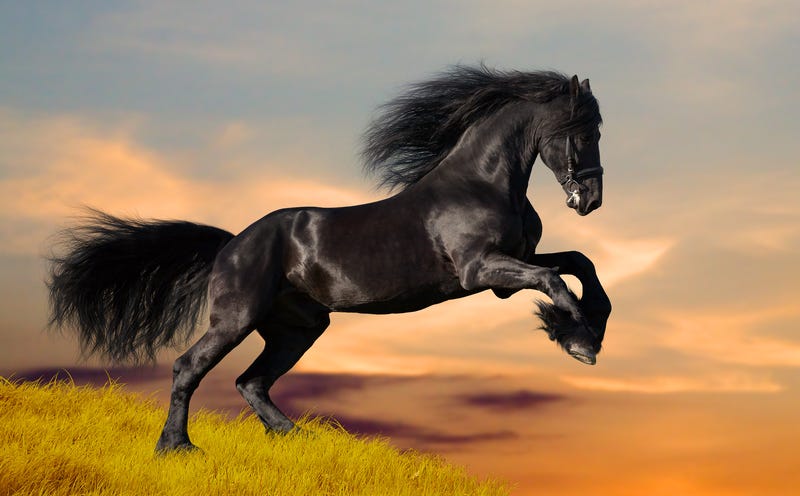
The Friesian horse is instantly recognizable for its striking beauty, flowing mane, and powerful build. While most people picture this breed as jet black, the reality is more nuanced. Understanding the range of Friesian horse colors and the genetic background behind them helps owners, breeders, and enthusiasts appreciate the breed’s rich history and unique characteristics. This article offers a detailed look at the colors found in Friesians, the reasons behind their iconic appearance, and the rare exceptions that intrigue horse lovers worldwide.
For those interested in learning more about the breed’s unique qualities, you’ll find additional interesting facts about Friesian horses that go beyond coat color and delve into their temperament, history, and care.
The Classic Black Friesian: Breed Standard and Origins
When discussing Friesian horse colors explained, it’s essential to start with the breed standard. The overwhelming majority of Friesians are solid black, a trait that has been carefully preserved by breeders for centuries. This uniformity is not accidental—it’s the result of selective breeding practices that date back to the horse’s origins in Friesland, a province in the Netherlands.
According to the official breed registries, a true Friesian must be black, although a small white star on the forehead is permitted. This strict standard helps maintain the breed’s iconic look and is a point of pride for breeders and enthusiasts alike. The black coat is not only visually stunning but also symbolizes the breed’s noble heritage and longstanding role in European history. For more on the breed’s background, the history of the Friesian horse provides valuable context.
Genetics Behind Friesian Coat Colors
To truly understand the variety—or lack thereof—among Friesian coats, it’s helpful to look at the genetics involved. The black color in Friesians is caused by the dominant extension gene (E), which produces black pigment. Most Friesians are homozygous for this gene, meaning they carry two copies and will always produce black offspring when bred to another Friesian.
However, the story doesn’t end there. Some Friesians may carry the recessive agouti gene (A), which can restrict black pigment to certain areas, resulting in bay or brown coloring. Yet, due to strict registry rules, horses displaying these colors are not eligible for registration as purebred Friesians. This rigorous selection has made non-black Friesians extremely rare.
Rare Color Variations in Friesians
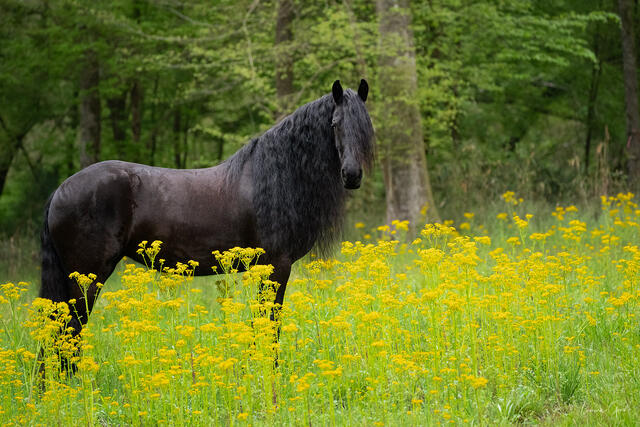
While black is the hallmark of the breed, there are a few rare color variations that occasionally appear. These include:
- Chestnut Friesians: Sometimes called “fox Friesians,” these horses have a reddish-brown coat. The chestnut gene is recessive and very rare in the breed. Most registries do not accept chestnut Friesians, but a few exist due to genetic mutations or historic crossbreeding.
- Bay Friesians: Bay coloring, featuring a brown body with black mane, tail, and lower legs, is extremely uncommon. Like chestnut, bay Friesians are generally not eligible for registration as purebreds.
- White Markings: The only white marking allowed by most registries is a small star on the forehead. Larger or additional white markings disqualify a horse from being registered as a purebred Friesian.
These rare colors are often the result of genetic anomalies or historic outcrossing. While some enthusiasts seek out these unique individuals, most breeders focus on maintaining the classic black coat that defines the breed.
Color Changes and Coat Care in Friesians
Even among black Friesians, subtle differences in shade and appearance can occur. Factors such as sun exposure, nutrition, and grooming practices can influence the intensity and shine of a Friesian’s coat. For example, prolonged exposure to sunlight may cause a black horse’s coat to fade or develop a reddish tint, sometimes called “sun bleaching.”
Proper grooming is essential for maintaining the deep, glossy black that Friesians are known for. Regular brushing, the use of gentle shampoos, and attention to diet all contribute to coat health. For practical advice, see these Friesian horse grooming tips to help keep your horse’s coat radiant and healthy.
Registration Rules and Breed Purity
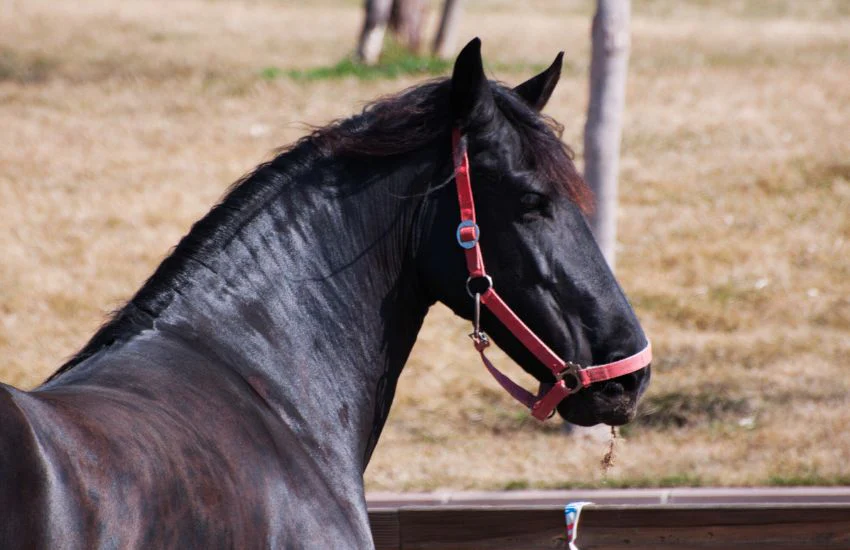
Breed registries such as the Koninklijke Vereniging “Het Friesch Paarden-Stamboek” (KFPS) and the Friesian Horse Association of North America (FHANA) have strict rules regarding color. Only black horses with minimal white markings are eligible for registration as purebred Friesians. This policy helps preserve the breed’s signature appearance and ensures consistency in breeding programs.
Horses with non-standard colors, such as chestnut or bay, may still be Friesian by ancestry but are typically excluded from official registries. These individuals may be registered as “Friesian Heritage” or “Friesian Sporthorse” if they have crossbred lineage. The focus on black coats is a defining feature of the breed and is one reason why Friesians are so easily recognized in the show ring and on the silver screen.
Why Color Matters to Friesian Owners and Breeders
For many owners and breeders, the uniform black coat is a symbol of the Friesian’s elegance and tradition. The emphasis on color is not just about aesthetics—it also reflects a commitment to breed standards and the preservation of a centuries-old legacy. However, those rare Friesians with unusual coloring often attract attention and curiosity, sparking debates about genetics, registration, and the future of the breed.
Whether you’re drawn to the classic black or fascinated by the rare exceptions, understanding the nuances of Friesian horse colors deepens your appreciation for this remarkable breed. If you’re considering bringing a Friesian into your life, reviewing Friesian horse adoption information can help you find reputable rescues and sanctuaries.
Frequently Asked Questions
Are All Friesian Horses Black?
Nearly all purebred Friesians are black, as this is the breed standard enforced by major registries. While rare color variations such as chestnut or bay exist, these horses are usually not eligible for purebred registration.
Can Friesians Have White Markings?
The only white marking allowed on a registered Friesian is a small star on the forehead. Any other white markings, such as socks or blazes, disqualify the horse from being registered as a purebred Friesian.
Why Are Chestnut Friesians So Rare?
Chestnut Friesians are rare because the chestnut gene is recessive and has been largely bred out of the population. Breed registries do not accept chestnut Friesians for purebred status, further reducing their numbers.
How Can I Keep My Friesian’s Coat Deep Black?
To maintain a rich black coat, provide proper nutrition, limit sun exposure, and use high-quality grooming products. For detailed advice, check out these Friesian horse grooming tips.
Where Can I Learn More About Friesian Horse Behavior?
If you’re interested in understanding how color and genetics relate to temperament, see this guide on Friesian horse behavior explained for more insights.