

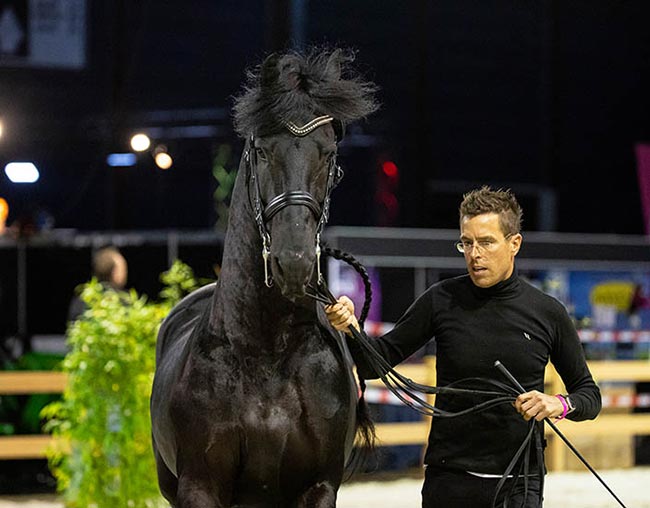
The Friesian horse is renowned for its striking appearance, gentle temperament, and historical significance. Understanding the Friesian horse growth stages is essential for owners, breeders, and enthusiasts who want to ensure the best care and development for these majestic animals. From their first days as foals to their full maturity as adults, Friesians undergo distinct phases of growth, each with unique milestones and care requirements.
This guide explores the physical and behavioral changes that occur as Friesians grow, highlighting what to expect at each stage and how to support healthy development. Whether you are a first-time owner or an experienced horse handler, recognizing these stages can help you provide the right nutrition, training, and environment for your horse’s well-being.
For a broader look at this breed’s characteristics, history, and care, see the complete guide to Friesian horses.
Early Development: The Foal Stage
The first stage in the life of a Friesian is the foal phase, which spans from birth to around six months of age. During this period, foals are highly dependent on their mothers for nutrition and protection. They are born with long legs and a relatively slender build, which allows them to stand and nurse within hours after birth.
- Physical growth: Friesian foals typically double their birth weight within the first month. Their bones, muscles, and joints are developing rapidly, so safe turnout and gentle handling are important.
- Nutrition: For the first few months, the foal’s diet consists almost entirely of mare’s milk. By two to three months, they begin nibbling on hay and grain, preparing for weaning.
- Socialization: Early interaction with humans and other horses helps foals develop confidence and learn basic behaviors. Gentle grooming and leading exercises can start at this age.
Monitoring growth and health during these first months is crucial. Regular veterinary checkups, deworming, and vaccinations lay the foundation for a healthy adult horse.
Weanling and Yearling: Rapid Growth and Learning
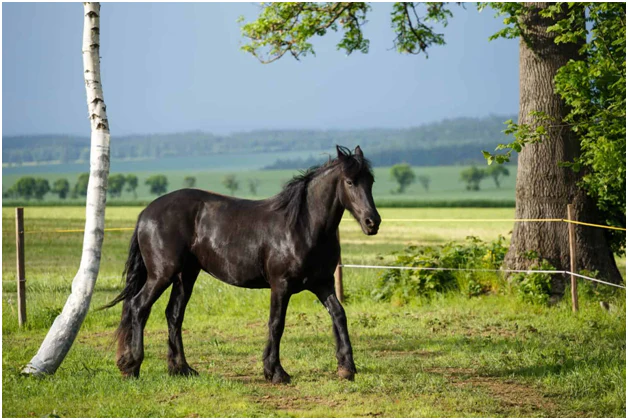
After six months, Friesian foals are typically weaned from their mothers and enter the weanling stage, which lasts until about one year old. This period is characterized by rapid physical changes and increased independence.
- Body changes: Weanlings often appear gangly, with legs that seem too long for their bodies. Their growth plates are still open, and their joints are developing, so careful management is essential to prevent injuries.
- Feeding: A balanced diet rich in protein, vitamins, and minerals supports healthy development. Overfeeding or improper nutrition can lead to growth disorders, so consulting an equine nutritionist is recommended.
- Training: Basic groundwork, such as leading, standing tied, and picking up feet, should be reinforced. Positive experiences at this stage set the tone for future training.
Yearlings (12–24 months) continue to grow quickly, gaining muscle and coordination. They become more curious and social, making this an ideal time for gentle exposure to new environments and experiences.
Adolescent Phase: Two to Three Years Old
The adolescent stage, spanning from two to three years, is a critical time in the Friesian horse growth stages. Horses in this phase experience significant musculoskeletal development and mental maturity, but they are not yet fully grown.
- Physical development: Growth slows but continues, with the horse gaining height and filling out. Most Friesians reach about 90% of their adult height by age two, but their bodies continue to mature until around five or six years old.
- Training readiness: Light groundwork and basic saddle training can begin, but strenuous work should be avoided to protect developing joints and ligaments.
- Behavioral changes: Adolescents may test boundaries and display playful or dominant behaviors. Consistent, patient handling is key.
During this time, regular hoof care, dental checkups, and vaccinations remain important. Owners should watch for signs of growth-related issues, such as joint swelling or lameness, and consult a veterinarian as needed.
Reaching Adulthood: Four Years and Beyond
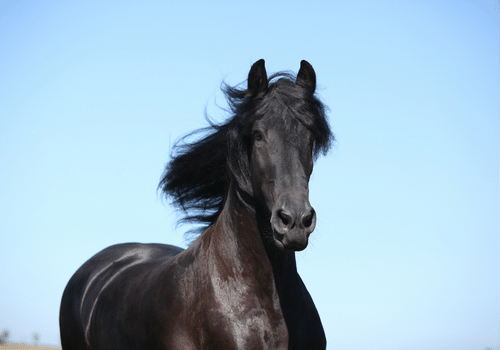
Friesians are considered mature adults at around four to six years old. At this point, they have reached their full height, and their bodies have filled out with the breed’s signature muscular build and flowing mane and tail.
- Physical maturity: Most Friesians stand between 15.3 and 17 hands high as adults. Their bones and joints are fully developed, allowing for more intensive training and riding.
- Temperament: Adult Friesians are known for their calm, willing nature and intelligence. They excel in dressage, driving, and pleasure riding.
- Ongoing care: Proper nutrition, regular exercise, and routine veterinary care are essential for maintaining health and performance. Grooming is especially important for Friesians due to their thick manes and tails.
Owners should continue to provide mental stimulation and varied activities to keep mature Friesians engaged and content. For tips on daily routines and responsibilities, see the article on horse ownership responsibilities.
Factors Influencing Friesian Horse Growth
Several factors can affect the pace and quality of development in Friesians:
- Genetics: Lineage plays a significant role in determining size, conformation, and growth rate.
- Nutrition: Balanced diets tailored to each stage support optimal bone and muscle development.
- Exercise: Age-appropriate movement encourages strong bones and joints while preventing obesity.
- Healthcare: Regular deworming, vaccinations, and dental care are vital throughout all stages.
- Environment: Safe, spacious pastures and positive social interactions contribute to healthy growth and mental well-being.
For more on the breed’s conservation and history, visit the Livestock Conservancy’s Friesian horse profile.
Common Growth-Related Concerns
While Friesians are generally robust, certain issues can arise during their development:
- Developmental orthopedic diseases (DOD): Rapid growth or imbalanced nutrition can lead to joint and bone problems, especially in young horses.
- Obesity: Friesians are prone to weight gain, which can stress developing joints. Monitoring body condition and adjusting feed as needed is important.
- Hoof issues: Regular trimming and attention to hoof health prevent problems that can affect movement and growth.
Early detection and intervention are key to addressing these concerns. Consult your veterinarian if you notice lameness, swelling, or behavioral changes.
Frequently Asked Questions
How long does it take for a Friesian horse to reach full maturity?
Friesians typically reach their full height by age four, but their bodies continue to fill out and mature until about six years old. Mental and physical development continues throughout this period, so patience and proper care are essential.
What is the average height and weight of an adult Friesian?
Adult Friesians generally stand between 15.3 and 17 hands high (about 63 to 68 inches at the withers) and weigh between 1,200 and 1,400 pounds. Genetics, nutrition, and management can cause some variation within the breed standard.
Are Friesian horses suitable for beginners?
Thanks to their calm temperament and intelligence, Friesians can be suitable for beginners who have access to proper training and support. However, their size and strength require respectful handling and regular care. Learning about how to become a better horse owner can help new owners build a strong partnership with their Friesian.
Supporting Healthy Growth in Friesians
Understanding the distinct phases of development in Friesians allows owners to provide targeted care at every stage. From attentive foal management to thoughtful training and nutrition for adolescents and adults, each phase requires a tailored approach. By staying informed and proactive, you can help your Friesian thrive throughout its life.
For more insights into horse behavior, communication, and lifestyle, explore resources like equine behavior and communication and equestrian lifestyle tips.