

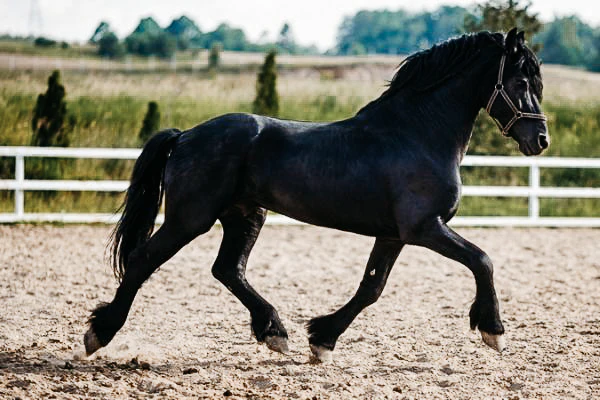
The first year of a Friesian foal’s life is a period of remarkable transformation. From their first wobbly steps to the confident stride of a yearling, Friesian foals undergo rapid physical, behavioral, and social changes. Understanding these Friesian horse foal development milestones helps breeders, owners, and enthusiasts provide the best care and support for these elegant horses during their most formative months.
Friesians are celebrated for their striking black coats, flowing manes, and gentle temperaments. Their early growth stages set the foundation for future health, athleticism, and trainability. This guide covers the key phases of growth, what to expect at each stage, and practical tips to nurture a thriving young Friesian.
For those interested in the broader context of Friesian care and breed characteristics, the complete guide to Friesian horses offers comprehensive insights. Additionally, understanding horse ownership responsibilities is essential for anyone considering raising a foal.
Newborn to One Month: The Foundation of Friesian Foal Growth
The first month is a critical period in Friesian horse foal development. Foals are typically born after an 11-month gestation, weighing between 100 and 130 pounds. Within hours, they stand, nurse, and begin forming bonds with their dam. Early milestones include:
- Standing and Nursing: Most Friesian foals stand within an hour and nurse soon after, receiving vital colostrum for immunity.
- First Steps: Coordination improves rapidly, and foals begin exploring their environment under the watchful eye of their mother.
- Socialization: Early interaction with humans and other horses lays the groundwork for future training and trust.
During this stage, monitoring for signs of weakness, limb deformities, or difficulty nursing is crucial. Regular veterinary checks ensure the foal is healthy and developing as expected.
One to Three Months: Rapid Physical and Behavioral Changes
Between one and three months, Friesian foals experience a surge in growth. Their legs, which are already long at birth, become more proportionate as the body fills out. Key milestones include:
- Weight Gain: Foals may double their birth weight by the end of the third month.
- Increased Activity: Playful behavior, running, and bucking help develop muscles and coordination.
- Introduction to Solid Food: While still nursing, foals begin nibbling hay and grain, preparing their digestive systems for weaning.
Gentle handling during this phase is important. Short, positive sessions help foals become accustomed to grooming, haltering, and basic leading. For tips on balancing barn time with daily routines, see these equestrian lifestyle tips.
Three to Six Months: Weaning and Social Development
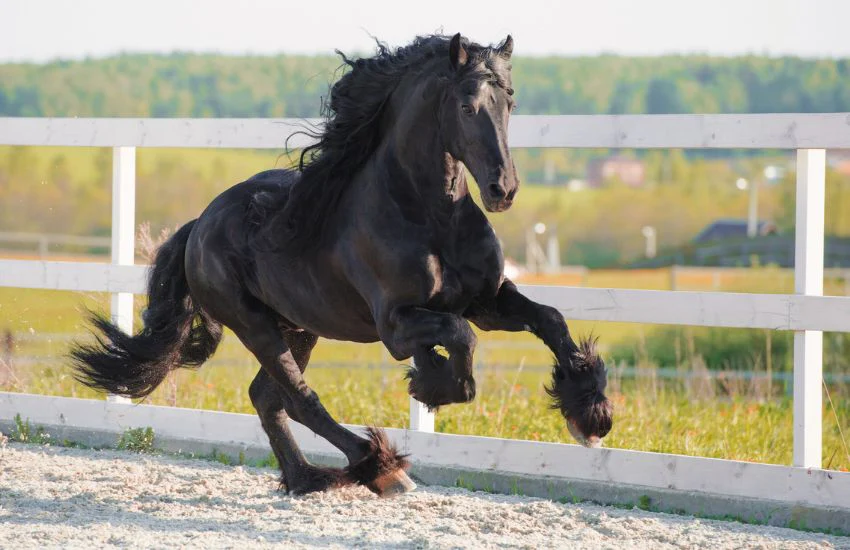
By three months, Friesian foals are increasingly independent. The process of weaning—transitioning from mother’s milk to solid food—typically begins between four and six months. Key aspects of this stage include:
- Gradual Weaning: Abrupt separation can be stressful; gradual weaning is less traumatic for both foal and mare.
- Peer Interaction: Group turnout with other foals encourages healthy social skills and reduces anxiety.
- Grooming and Handling: Regular grooming helps foals become comfortable with human touch and prepares them for future training. For expert advice, see these Friesian grooming tips.
During this period, foals continue to grow rapidly, and their nutritional needs change. High-quality forage, balanced grain, and access to fresh water are essential. Monitoring for signs of digestive upset or weight loss is important as their diet shifts.
Six to Twelve Months: Building Strength and Confidence
The second half of the first year is marked by steady, but slightly slower, growth. Friesian foals become more coordinated and confident as they approach their first birthday. Notable milestones include:
- Muscle Development: Regular turnout and playtime help build strong bones and muscles.
- Learning Boundaries: Consistent, gentle discipline teaches respect for humans and other horses.
- First Farrier Visits: Hoof care becomes part of the routine, ensuring healthy feet for future work.
By twelve months, a Friesian foal may weigh 600 to 800 pounds and stand close to 80% of their adult height. While still immature, they begin to show the breed’s characteristic elegance and presence. For more on understanding equine communication during this stage, explore equine behavior and communication.
Nutrition and Health in Friesian Foal Growth
Proper nutrition is the cornerstone of healthy Friesian horse foal development. The first year’s diet should support steady growth without causing excessive weight gain or developmental issues. Key considerations include:
- High-Quality Forage: Good pasture or hay provides essential fiber and nutrients.
- Balanced Grain: Specially formulated foal feeds supply protein, vitamins, and minerals.
- Regular Health Checks: Vaccinations, deworming, and dental exams help prevent common health problems.
Consulting with an equine veterinarian or nutritionist ensures that each foal’s unique needs are met. Overfeeding or improper supplementation can lead to joint issues or metabolic problems, so it’s important to follow expert guidance.
Handling, Training, and Socialization Tips
Early, positive experiences shape a Friesian foal’s temperament and trainability. Gentle handling, consistent routines, and exposure to new sights and sounds build confidence. Consider these tips:
- Start with short, calm sessions and gradually increase complexity as the foal matures.
- Introduce basic halter training, leading, and picking up feet for the farrier.
- Encourage respectful behavior without harsh discipline; Friesians respond well to patience and kindness.
For those seeking to deepen their relationship with their young horse, the article on how to become a better horse owner offers practical advice for building trust and understanding.
Common Challenges in Friesian Foal Development
While most Friesian foals thrive with attentive care, some challenges may arise:
- Growth Spurts: Rapid growth can sometimes lead to limb deviations or joint issues. Regular monitoring and veterinary advice are key.
- Parasite Control: Young foals are susceptible to internal parasites; follow a deworming schedule recommended by your vet.
- Behavioral Issues: Early intervention and consistent boundaries help prevent nipping, kicking, or pushiness.
Addressing these challenges early ensures a healthy, well-adjusted adult horse.
Frequently Asked Questions
How much should a Friesian foal grow in its first year?
On average, a Friesian foal will reach about 80% of its adult height and weigh between 600 and 800 pounds by its first birthday. Growth rates can vary depending on genetics, nutrition, and overall health.
When should a Friesian foal be weaned?
Weaning typically occurs between four and six months of age. Gradual weaning is recommended to minimize stress and support healthy development.
What are the most important aspects of Friesian foal care?
Key aspects include providing balanced nutrition, regular health checks, gentle handling, and plenty of socialization with both horses and humans. Early attention to hoof care and grooming also sets the stage for a well-mannered adult.
Conclusion
The first year in a Friesian foal’s life is filled with rapid changes and important milestones. By understanding the stages of Friesian horse foal development, owners can provide the support and care needed for a healthy, confident, and beautiful young horse. With attention to nutrition, socialization, and gentle training, Friesian foals are well-prepared for a bright future as cherished companions or impressive athletes.