

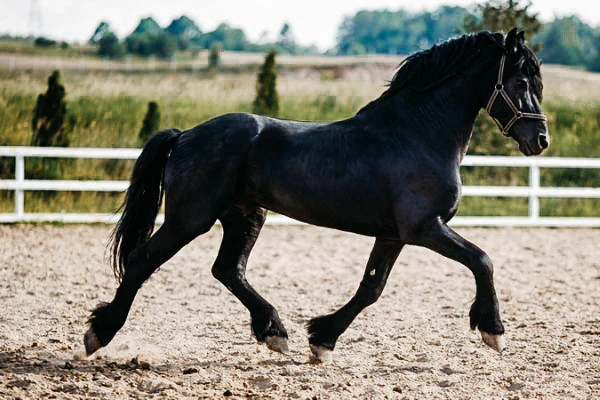
Known for their striking appearance and flowing manes, Friesian horses are easily recognized by the long, silky hair that cascades down their lower legs—commonly called “feathering.” This distinctive feature is not just a hallmark of the breed’s beauty, but also a unique aspect of their grooming and care. Understanding Friesian horse feathering explained is essential for anyone who owns, rides, or admires these majestic animals. Proper maintenance ensures both the health and the elegant look of your horse’s feathers, preventing common issues like matting, skin irritation, and infection.
In this article, we’ll break down what feathering is, why it’s important, and how to keep it healthy. You’ll find practical advice, recommended products, and expert tips to help you maintain your Friesian’s iconic leg hair. For a broader look at this breed, you can also visit our complete guide to Friesian horses for more insights into their history, temperament, and care.
Understanding Feathering on Friesian Horses
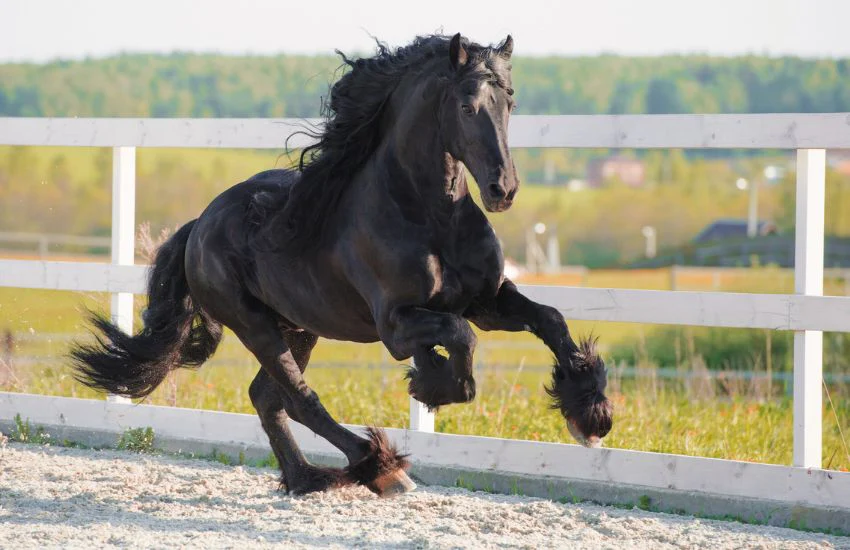
Feathering refers to the long, fine hair that grows from the knees and hocks down to the hooves of certain horse breeds, most notably the Friesian. This feature developed as a natural protection against harsh climates and muddy conditions in the breed’s native region of Friesland, the Netherlands. The thick hair helps shield the lower legs from moisture, mud, and cold, but it also requires regular attention to avoid health problems.
Unlike some breeds where feathering is minimal, Friesians have dense, luxurious hair that can easily trap dirt and moisture. If not properly managed, this can lead to skin conditions such as scratches (also known as mud fever or pastern dermatitis), fungal infections, and persistent irritation.
Daily and Weekly Feather Care Routines
Maintaining healthy feathering on Friesian horses involves a combination of daily checks and weekly grooming. Here are some essential steps to include in your routine:
- Daily Inspection: Check the feathers for debris, moisture, or signs of irritation. Early detection of issues can prevent more serious problems.
- Brushing: Use a soft brush or wide-tooth comb to gently detangle the hair. Start at the bottom and work your way up to avoid pulling or breaking strands.
- Cleaning: If the feathers become muddy or soiled, rinse with clean water and allow them to dry thoroughly. Avoid leaving feathers damp, as this can encourage fungal growth.
- Weekly Deep Cleaning: Wash the feathers with a mild equine shampoo and conditioner. Rinse thoroughly and dry with a towel or allow to air dry in a clean, dry area.
For best results, consider using specialized grooming tools and products designed for long hair. A quality grooming kit and gentle shampoo can make a significant difference in the health and appearance of your horse’s feathers.
Common Challenges with Friesian Leg Hair
While the feathering on Friesians is beautiful, it can also be a source of frustration for owners. The most frequent challenges include:
- Mats and Tangles: The long hair is prone to knotting, especially if the horse is turned out in wet or muddy conditions.
- Skin Irritation: Moisture trapped under the feathers can lead to dermatitis, fungal infections, or bacterial growth.
- Parasites: Lice and mites may hide in dense feathering, causing itching and discomfort.
- Breakage: Rough handling or infrequent grooming can cause the hair to break, diminishing the full, flowing look.
To address these issues, establish a regular grooming schedule and monitor your horse’s legs closely. If you notice persistent skin problems, consult your veterinarian for diagnosis and treatment.
Expert Tips for Healthy and Attractive Feathering
For those seeking to keep their Friesian’s feathers in top condition, the following expert tips can help:
- Keep Feathers Dry: After washing or turnout in wet weather, ensure the feathers are thoroughly dried. Use a towel or a gentle blow dryer on a low setting if needed.
- Trim with Care: While traditionalists avoid trimming, a light tidy-up at the ends can help prevent excessive matting and keep the hair manageable.
- Use Detanglers: Apply a horse-safe detangler spray to make brushing easier and reduce breakage.
- Protect During Turnout: In muddy conditions, consider using turnout boots or wraps to shield the feathers from excessive dirt and moisture.
- Monitor for Skin Issues: Look for redness, swelling, or scabs beneath the hair. Early intervention is key to preventing more serious infections.
For more detailed grooming strategies, check out these professional Friesian grooming tips from experienced breeders and trainers.
Preventing and Treating Skin Problems Under Feathering
One of the most important aspects of Friesian feathering care is preventing skin issues. The dense hair can create a warm, moist environment that fosters bacteria and fungi. Here’s how to minimize risk:
- Regular Cleaning: Wash feathers as needed, especially after exposure to mud or manure. Use an antibacterial or antifungal shampoo if your horse is prone to skin problems.
- Thorough Drying: Never leave feathers damp. After washing, use a towel to absorb excess moisture and allow the hair to air dry completely.
- Inspect the Skin: Part the hair to check for redness, scabs, or swelling. Early signs of mud fever or dermatitis should be addressed promptly.
- Apply Topical Treatments: If you notice irritation, consult your vet about suitable creams or sprays. Avoid harsh chemicals that can dry out or damage the skin.
Consistent attention and a proactive approach are the best ways to keep your horse’s legs healthy and free from discomfort.
Choosing the Right Grooming Products
With so many grooming products on the market, selecting the right ones for Friesian feathering can be overwhelming. Look for:
- Gentle Shampoos: Mild, moisturizing formulas are best for frequent use and help prevent dryness.
- Conditioners: Use a conditioner to keep hair soft and manageable, reducing tangles and breakage.
- Detangling Sprays: These make brushing easier and help maintain the feather’s natural shine.
- Quality Brushes and Combs: Wide-tooth combs and soft brushes are ideal for detangling without pulling or breaking hair.
Investing in the right tools and products not only makes grooming easier but also supports the long-term health of your horse’s feathering.
Integrating Feather Care Into Your Horse Routine
Incorporating feather maintenance into your daily and weekly horse care routine is essential for Friesian owners. Consistency is key—regular grooming prevents issues before they start and keeps your horse looking its best. If you’re new to horse ownership or want to refine your skills, you might find our resources on horse ownership responsibilities and how to become a better horse owner helpful for building a comprehensive care plan.
Remember, healthy feathering is a sign of a well-cared-for horse. By following these tips and staying attentive, you’ll ensure your Friesian’s legs remain both beautiful and healthy throughout the year.
Frequently Asked Questions
What causes feathering on Friesian horses?
Feathering is a genetic trait found in Friesians and some other draft breeds. It evolved as a natural adaptation to protect the lower legs from harsh weather and muddy conditions. The thick, silky hair helps shield the skin from moisture and debris.
How often should I wash my Friesian’s feathers?
Washing frequency depends on your horse’s environment and activity level. In wet or muddy conditions, you may need to wash the feathers weekly. During dry periods, a thorough cleaning every two to three weeks is usually sufficient. Always ensure feathers are completely dry after washing.
Can I trim my Friesian’s feathering?
While some owners prefer to leave the feathering natural for show or tradition, light trimming can help prevent matting and make grooming easier. Avoid cutting too much, as the hair provides protection and is a signature feature of the breed.
What are signs of skin problems under feathering?
Watch for redness, swelling, scabs, or a foul odor beneath the hair. These can indicate conditions like mud fever or fungal infections. Early intervention and veterinary advice are recommended if you notice any of these symptoms.
Are there specific products recommended for feather care?
Yes, use gentle equine shampoos, moisturizing conditioners, and detangling sprays designed for long hair. Quality grooming tools, such as wide-tooth combs and soft brushes, are also essential for maintaining healthy feathering.