

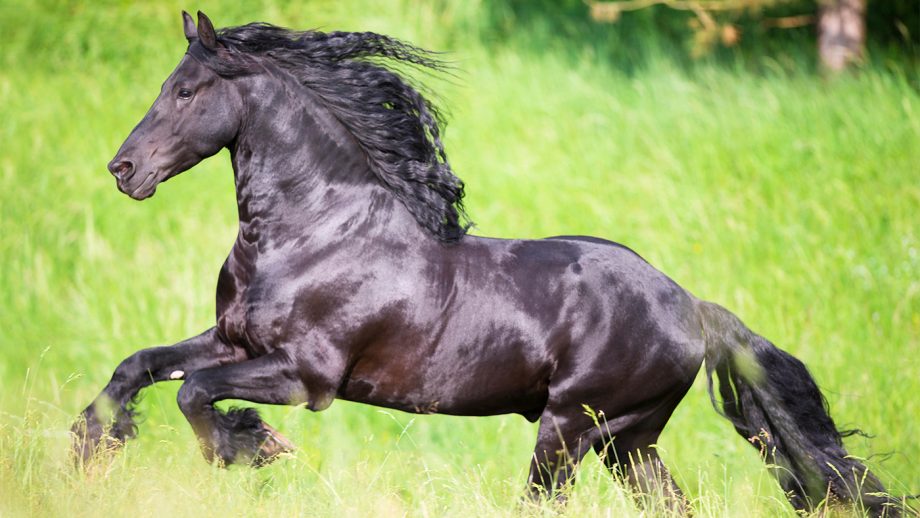
The Friesian horse conditioning program is essential for anyone seeking to help these majestic horses reach their full athletic potential. Known for their striking appearance, powerful movement, and gentle temperament, Friesians excel in dressage, driving, and pleasure riding. However, their unique build and temperament require a thoughtful approach to fitness, strength, and overall well-being. This guide covers the key principles, phases, and best practices for developing a conditioning regimen tailored to the needs of Friesians, ensuring both peak performance and long-term health.
Whether you are preparing for competition or simply want your horse to thrive, understanding the nuances of Friesian fitness is crucial. For a comprehensive overview of the breed’s history, care, and characteristics, the complete guide to Friesian horses is an excellent resource to deepen your knowledge before starting any training program.
Understanding Friesian Horse Fitness Needs
Friesians are renowned for their elegant movement and presence, but their conformation presents unique challenges. They have a heavier build, feathered legs, and a tendency toward metabolic issues if not managed carefully. A successful conditioning program for Friesians must address:
- Cardiovascular endurance to support sustained work
- Muscle development with a focus on topline and hindquarters
- Joint and tendon health due to their weight and movement
- Metabolic management to prevent obesity and related conditions
Before starting any new regimen, consult your veterinarian to assess your horse’s baseline fitness and identify any health concerns. Understanding Friesian breed characteristics and health considerations can help you tailor the program for optimal results.
Key Phases of a Friesian Conditioning Plan
A well-structured Friesian horse conditioning program is typically divided into several phases, each with specific goals and activities. This phased approach ensures gradual adaptation and minimizes the risk of injury.
1. Foundation and Adaptation
This initial phase focuses on building basic fitness and preparing the horse’s body for more intense work. Activities should include:
- Daily turnout for natural movement
- Hand-walking or light lunging (10–20 minutes)
- Gentle hill work to engage the hindquarters
- Short, slow rides at the walk and trot
Monitor your horse’s heart rate and breathing, and increase workload gradually over 2–4 weeks.
2. Strength and Stamina Building
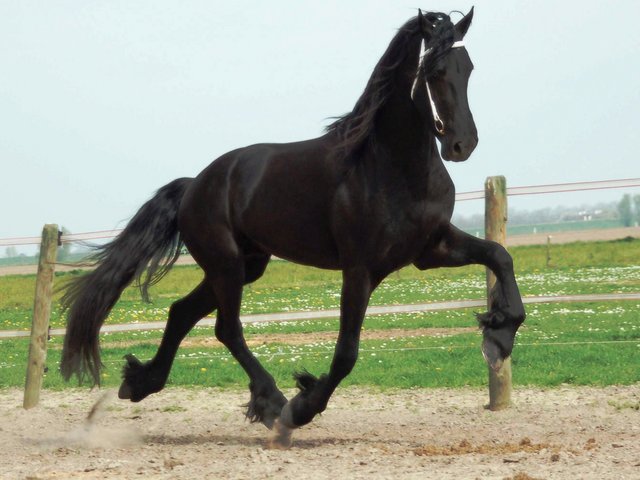
Once your Friesian has adjusted to regular exercise, begin incorporating activities that build muscle and cardiovascular strength:
- Interval training: alternate between trotting and walking
- Hill work at the trot and canter
- Ground poles and low cavaletti for agility and coordination
- Longer rides (30–45 minutes) with varied terrain
Pay close attention to signs of fatigue or soreness. Allow for rest days to promote recovery and prevent overtraining.
3. Sport-Specific Conditioning
Depending on your goals—whether dressage, driving, or pleasure riding—tailor the final phase to the demands of your chosen discipline:
- Dressage: focus on collection, lateral work, and transitions
- Driving: incorporate long-lining, harness work, and roadwork
Throughout all phases, maintain a balance between work and rest, and adjust the program based on your horse’s progress and feedback.
Essential Elements of Friesian Fitness
To maximize the benefits of your conditioning program for Friesians, consider these foundational elements:
- Consistent grooming to monitor skin, coat, and muscle condition
- Balanced nutrition with appropriate forage and supplements
- Regular hoof care to support soundness and movement
- Mental stimulation through varied routines and positive reinforcement
Grooming is not only essential for health but also for building trust and a strong bond. For more tips on daily care and responsibilities, see the article on horse ownership responsibilities.
Monitoring Progress and Adjusting the Program
Tracking your horse’s progress is key to a successful regimen. Keep a log of workouts, noting duration, intensity, and any observations about your horse’s attitude or physical condition. Regularly check for:
- Changes in weight and muscle tone
- Gait irregularities or signs of discomfort
- Behavioral changes that may indicate stress or boredom
Adjust the plan as needed, increasing or decreasing intensity based on your horse’s feedback. If you notice persistent issues, consult your veterinarian or an equine fitness specialist for guidance.
Common Mistakes to Avoid
When implementing a conditioning program for Friesian horses, avoid these frequent pitfalls:
- Progressing too quickly, leading to injury or burnout
- Neglecting rest and recovery days
- Overfeeding or underfeeding, resulting in metabolic problems
- Ignoring signs of discomfort or behavioral changes
Patience and consistency are more effective than rapid, intense changes. Always prioritize your horse’s well-being over short-term gains.
Frequently Asked Questions
How often should I exercise my Friesian during conditioning?
Most Friesians benefit from 4–6 days of structured exercise per week, with at least one full rest day. The frequency and intensity should be tailored to your horse’s age, fitness level, and goals.
What are the best exercises for building topline in Friesians?
Hill work, ground poles, and transitions between gaits are excellent for developing the topline. Incorporating lateral movements and collection work in dressage can also help strengthen these muscles.
How do I know if my Friesian is overworked?
Signs of overwork include reluctance to move, stiffness, loss of appetite, irritability, and changes in gait. If you notice any of these, reduce workload and consult a veterinarian if symptoms persist.
Conclusion
Developing a thoughtful Friesian horse conditioning program is key to unlocking your horse’s athletic potential while safeguarding their health. By following a phased approach, monitoring progress, and prioritizing both physical and mental well-being, you can help your Friesian thrive in any discipline. For further insights into equine behavior and communication, consider reading about equine behavior and communication to deepen your partnership and training success.