

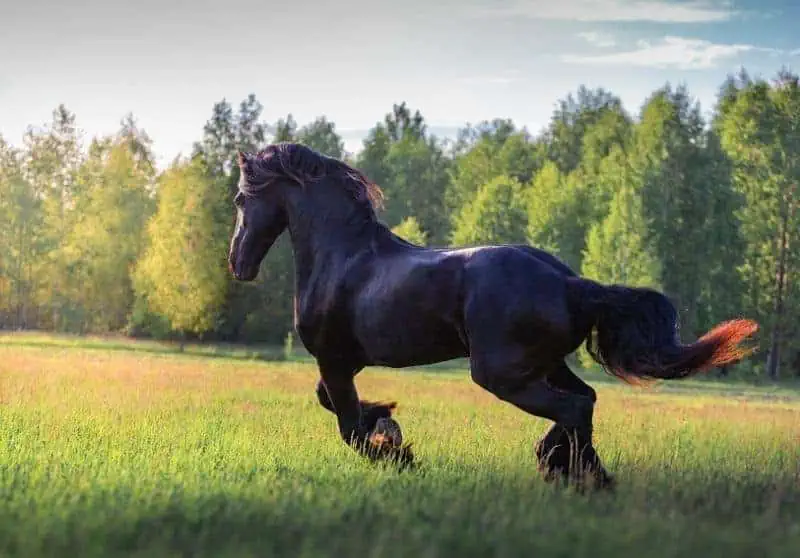
Proper equine nutrition for large breeds is essential for maintaining the health, performance, and longevity of horses such as Friesians, Shires, Clydesdales, and other draft or heavy warmblood types. These majestic animals have unique dietary needs due to their size, metabolism, and workload. Understanding how to balance their rations, manage weight, and prevent common health issues is crucial for any responsible horse owner or caretaker.
This guide explores the nutritional requirements of large breed horses, offering practical advice on feed selection, ration balancing, and daily management. Whether you’re caring for a Friesian or another heavy horse, tailoring their diet can make a significant difference in their well-being and performance.
For those interested in learning more about the unique characteristics and care of Friesians, the complete guide to Friesian horses offers a comprehensive overview of this popular large breed.
Understanding the Nutritional Needs of Heavy Horses
Large breed horses differ from lighter breeds in several key ways. Their slower metabolism, greater body mass, and sometimes lower activity levels mean they require a carefully balanced diet to avoid obesity, metabolic disorders, and musculoskeletal issues. While they may appear robust, these horses are often more sensitive to certain dietary imbalances.
- Energy Requirements: Heavy horses generally need fewer calories per pound of body weight than lighter breeds, but their total daily intake is higher due to their size.
- Protein: Adequate protein is vital for muscle maintenance, especially for working horses, but excess protein can lead to metabolic strain.
- Vitamins and Minerals: Large breeds are prone to deficiencies or excesses, particularly in calcium, phosphorus, and magnesium, which are crucial for bone and muscle health.
- Fiber: A high-fiber diet is essential for healthy digestion and weight management.
Key Components of a Balanced Diet for Large Breeds
Designing an optimal feeding program for heavy horses involves more than just increasing the quantity of feed. The following components are fundamental for meeting their nutritional demands:
Forage: The Foundation of Every Ration
Quality forage should make up the bulk of any large horse’s diet. Grass hay, legume hay, or a mix is ideal. Aim to provide 1.5–2% of the horse’s body weight in forage daily. For a 1,500-pound draft horse, that’s 22–30 pounds of hay per day.
- Choose clean, mold-free hay with moderate protein and low sugar content.
- Pasture grazing is excellent, but intake should be monitored to prevent overconsumption, especially in easy keepers.
Concentrates and Grain: When and How Much?
Not all large breed horses require grain. Those in light work or at maintenance often thrive on forage alone. However, horses in heavy work, lactating mares, or those with higher energy needs may benefit from added concentrates.
- Use grain sparingly and select feeds formulated for heavy breeds or “easy keepers.”
- Divide grain into multiple small meals to reduce the risk of digestive upset.
- Monitor body condition regularly and adjust grain intake as needed.
Vitamins, Minerals, and Supplements
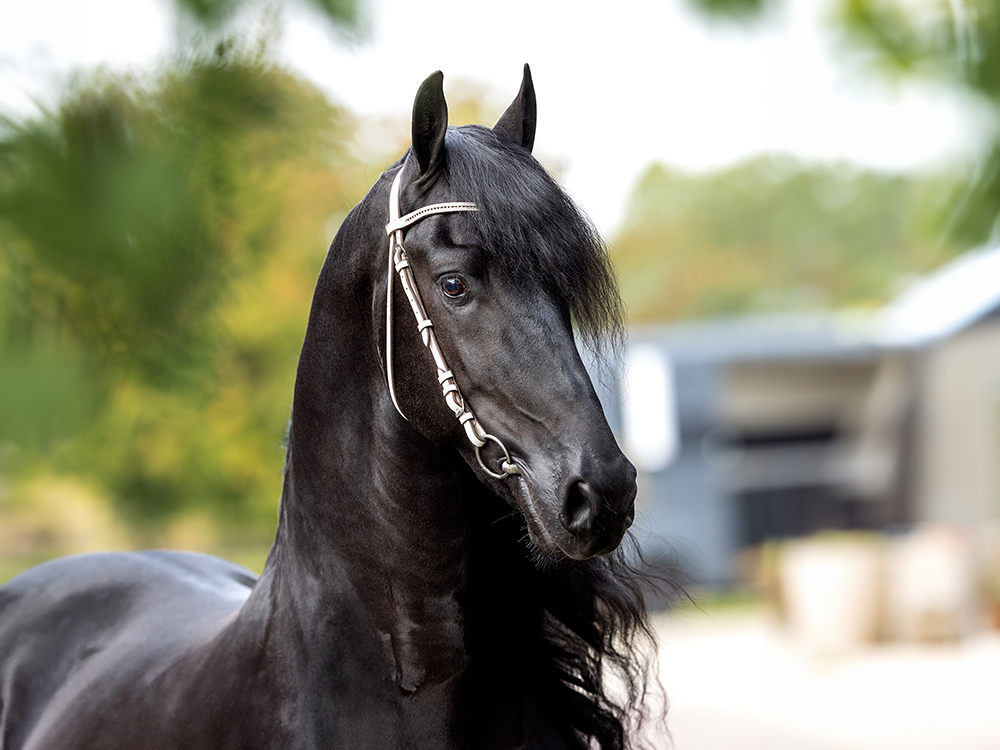
Large horses often have specific requirements for minerals such as calcium, phosphorus, magnesium, and selenium. A ration balancer or mineral supplement designed for heavy breeds can help fill nutritional gaps. Always consult with an equine nutritionist or veterinarian before adding supplements, as over-supplementation can be harmful.
- Salt blocks or loose salt should be available at all times.
- Monitor for signs of deficiencies, such as poor coat quality, muscle weakness, or changes in behavior.
Managing Weight and Preventing Metabolic Issues
Obesity and metabolic disorders are common in large breed horses, especially those not in regular work. Monitoring body condition and adjusting feed accordingly is vital.
- Use a weight tape or scale to track changes over time.
- Limit access to lush pasture if weight gain is a concern.
- Choose low-starch, high-fiber feeds to reduce the risk of insulin resistance and laminitis.
For more on daily care and responsibilities, see the article on horse ownership responsibilities.
Hydration and Feeding Management for Heavy Horses
Large breeds require ample fresh water—often more than 10–15 gallons per day, depending on climate and workload. Dehydration can quickly lead to colic or other health issues. In cold weather, ensure water sources do not freeze, and in hot weather, encourage drinking by offering salt and providing shade.
Feeding management tips include:
- Feed on a consistent schedule to support digestive health.
- Provide forage before grain to slow intake and reduce the risk of choke.
- Keep feed areas clean to prevent contamination and spoilage.
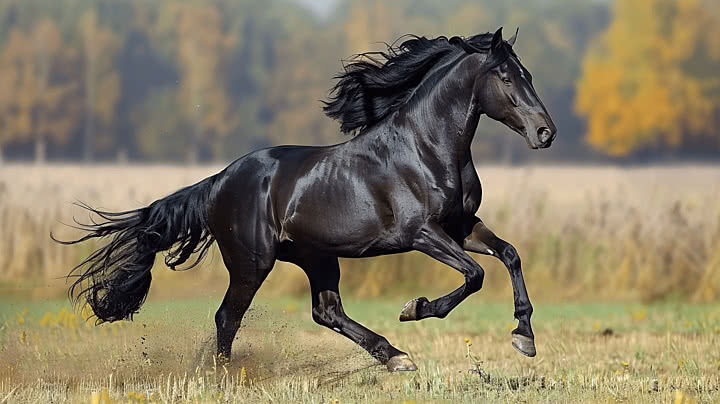
Special Considerations for Friesians and Other Draft Types
Friesians and similar breeds are known for their striking appearance and gentle temperament, but they can be prone to certain health issues related to nutrition:
- Polysaccharide Storage Myopathy (PSSM): Some heavy breeds are genetically predisposed to this muscle disorder, which is managed by limiting starch and sugar in the diet.
- Feathering and Skin Health: Diets rich in omega-3 fatty acids and biotin can help maintain healthy skin and luxurious feathering. For grooming tips, see these Friesian grooming recommendations.
- Hoof Care: Proper nutrition supports strong hooves, which are critical for large horses carrying more weight.
For a deeper dive into horse communication and behavior, the resource on equine behavior and communication is highly recommended.
Adjusting Diets for Workload and Life Stage
The nutritional needs of large horses change with age, workload, and health status. Growing horses, pregnant or lactating mares, and those in heavy work require more energy, protein, and specific nutrients. Senior horses may need softer, more digestible feeds and additional support for joint and digestive health.
Regularly reassess your horse’s condition and consult with an equine nutritionist to tailor rations as needed. Small, gradual changes are best to avoid digestive upset.
Frequently Asked Questions
How much hay should a large breed horse eat daily?
Most heavy horses need 1.5–2% of their body weight in hay each day. For a 1,600-pound horse, this means 24–32 pounds of quality forage. Adjust amounts based on body condition and activity level.
Are supplements necessary for all large breed horses?
Not every horse needs supplements if their base diet is balanced. However, many large breeds benefit from a ration balancer or targeted mineral supplement, especially if local forage is deficient in key nutrients. Always consult with a professional before adding supplements.
What are common feeding mistakes with heavy horses?
Overfeeding grain, underestimating the importance of forage, and failing to monitor weight are frequent errors. Feeding too much sugar or starch can also lead to metabolic issues. Consistent monitoring and gradual dietary adjustments help prevent problems.
For more lifestyle and care tips, explore our advice on equestrian lifestyle tips and how to become a better horse owner.