

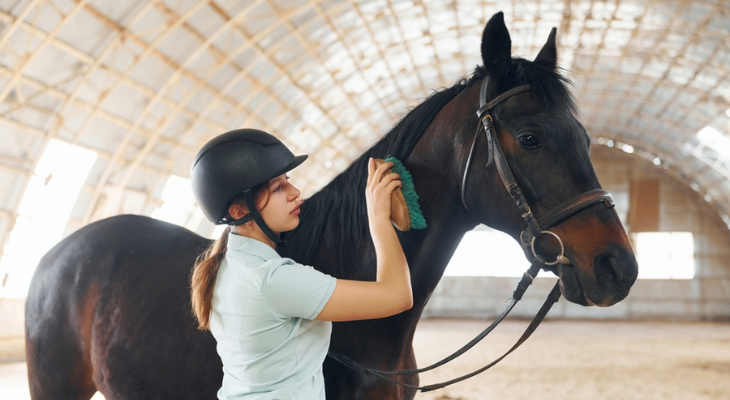
Proper horse grooming after riding is essential for maintaining your horse’s health, comfort, and overall well-being. Post-ride care not only helps remove sweat, dirt, and debris, but also gives you an opportunity to check for injuries, soothe tired muscles, and strengthen the bond with your equine partner. Whether you’re returning from a leisurely trail ride or an intense training session, a thorough grooming routine ensures your horse recovers well and stays in top condition.
For those new to equestrian care or seeking to refine their routine, understanding the right steps and tools for post-exercise grooming is crucial. In addition to keeping your horse looking its best, attentive care after riding can help prevent skin issues, saddle sores, and discomfort. If you’re interested in other aspects of equestrian safety, you may also want to learn about how to choose a helmet for eventing for comprehensive rider protection.
Why Post-Ride Grooming Matters
After exercise, a horse’s coat is often damp with sweat and may be coated with dust or mud. Neglecting to clean and care for your horse at this stage can lead to skin irritation, fungal infections, or even pressure sores under tack. Regular grooming after riding also allows you to spot minor cuts, swelling, or heat in the legs before they develop into bigger problems.
Beyond physical health, post-ride grooming is a valuable time to observe your horse’s mood and behavior, which can be early indicators of discomfort or stress. This routine also reinforces trust and communication between horse and handler.
Essential Tools for Effective Horse Care After Riding
Having the right grooming tools on hand makes the process efficient and comfortable for both you and your horse. A basic kit for after-ride care should include:
- Rubber curry comb – Loosens sweat and dirt from the coat.
- Dandy brush – Removes debris lifted by the curry comb.
- Body brush – Smooths the coat and adds shine.
- Sweat scraper – Helps remove excess moisture after hosing or sponging.
- Hoof pick – Clears stones and mud from hooves.
- Soft towel or sponge – Useful for sensitive areas and final touch-ups.
Investing in a quality grooming kit ensures you have everything needed for a thorough post-exercise routine. If you’re looking to upgrade your supplies, consider the option below after reviewing the next section.
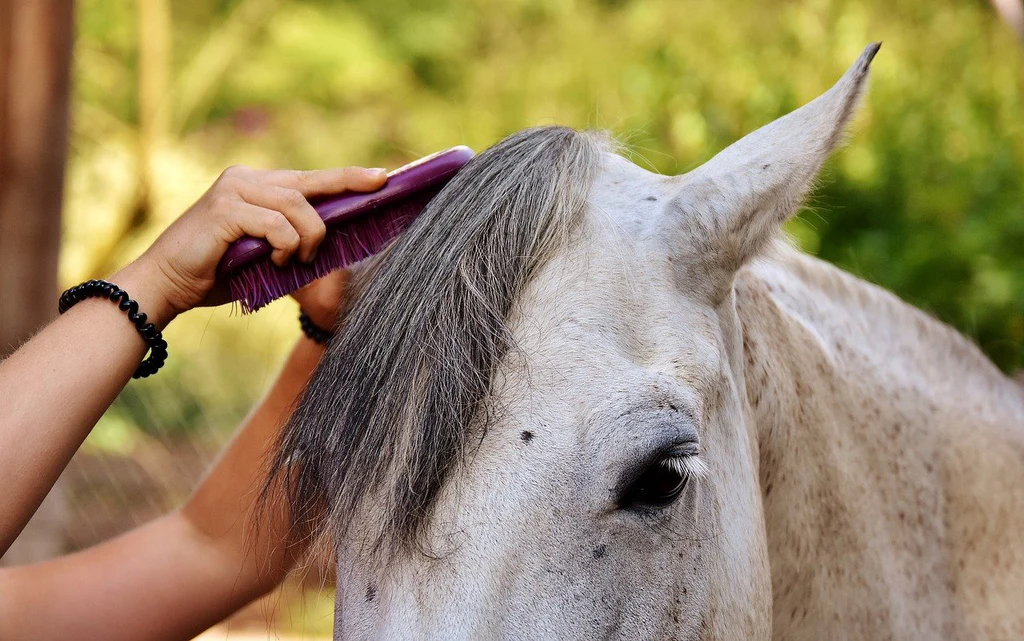
Step-by-Step Routine for Horse Grooming After Exercise
A consistent post-ride grooming routine helps your horse cool down and recover comfortably. Here’s a practical sequence to follow:
- Remove Tack Carefully: Take off the saddle, bridle, and any protective boots or wraps. Check for any signs of rubbing or irritation where the tack was in contact with the skin.
- Let Your Horse Cool Down: If your horse is sweaty or breathing heavily, walk them for a few minutes before starting the grooming process. This helps prevent muscle stiffness and supports healthy recovery.
- Use a Curry Comb: Gently work the curry comb in circular motions to loosen dried sweat and dirt, focusing on the neck, shoulders, and hindquarters.
- Brush Away Debris: Follow up with a dandy brush to flick away the loosened dirt, then use a body brush for a smooth finish.
- Address Sweat and Moisture: If your horse is very sweaty, use a damp sponge or hose to rinse off sweat, especially under the saddle and girth areas. Use a sweat scraper to remove excess water.
- Clean the Hooves: Pick out each hoof, removing stones, mud, or debris. Check for any signs of heat, cracks, or thrush.
- Final Touches: Wipe sensitive areas like the face and dock with a soft cloth or sponge. Ensure your horse is dry before returning them to the stall or paddock, especially in cooler weather.
For a more detailed breakdown of grooming basics and tips for beginners, you can consult this comprehensive beginner’s guide to horse grooming.
Common Issues Addressed by Post-Ride Grooming
Skipping or rushing through after-ride care can lead to several preventable problems. Some of the most common issues addressed by attentive grooming include:
- Sweat scald and skin irritation: Removing sweat and dirt helps prevent rashes and fungal infections.
- Pressure sores: Checking areas under tack allows you to spot early signs of soreness or hair loss.
- Hoof problems: Regular picking prevents stone bruises and thrush.
- Injury detection: Grooming gives you a chance to notice cuts, swelling, or heat that may need attention.
Tips for a Safe and Enjoyable Grooming Experience
Making grooming a positive experience for your horse is just as important as the process itself. Here are some practical suggestions:
- Stay calm and patient: Approach your horse quietly and avoid sudden movements.
- Reward good behavior: Use gentle words or treats to reinforce calmness during grooming.
- Check your equipment: Ensure brushes and tools are clean and in good condition to avoid discomfort.
- Be consistent: Develop a routine so your horse knows what to expect after each ride.
If you’re interested in learning more about helmet safety and comfort, you might also find value in reading about how to evaluate helmet weight for neck comfort.
Frequently Asked Questions
How soon should I groom my horse after riding?
It’s best to start grooming as soon as your horse has cooled down and their breathing has returned to normal. This helps remove sweat before it dries and prevents skin irritation.
Do I need to rinse my horse every time after exercise?
Not always. If your horse is only lightly sweaty, brushing may be enough. For heavier sweat or hot weather, a quick rinse or sponge bath followed by a sweat scraper is beneficial.
What should I look for during post-ride grooming?
Check for cuts, swelling, heat, or signs of discomfort, especially under the saddle, girth, and on the legs. Also, inspect hooves for stones or cracks.
Can I use the same grooming routine in winter?
In colder months, avoid getting your horse too wet. Use a damp cloth for sweaty areas and ensure your horse is dry before returning them to a chilly environment.
Conclusion
Consistent horse grooming after riding is a cornerstone of responsible equine care. By following a thorough routine, using the right tools, and paying attention to your horse’s needs, you’ll help prevent health issues and keep your horse comfortable and happy. For those seeking to deepen their knowledge, resources like a beginner’s guide to horse grooming offer additional insights. Remember, attentive post-exercise care benefits both horse and rider, fostering a safe and enjoyable partnership for years to come.