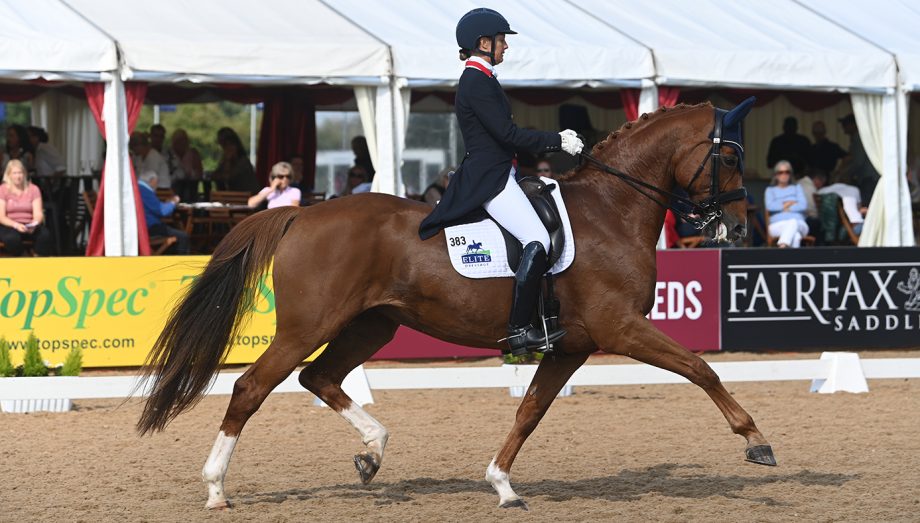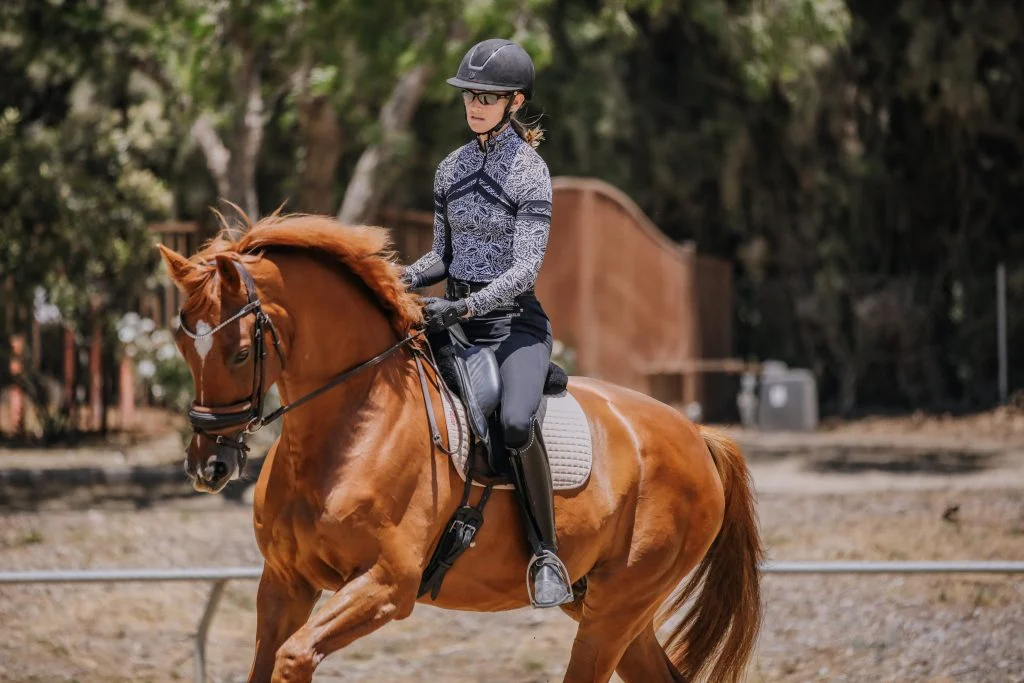
Dressage horses are known for their elegance and precision, but achieving this level of performance requires a well-rounded training regimen. One effective approach is incorporating a variety of exercises beyond traditional dressage routines. This method not only enhances the horse’s physical capabilities but also keeps their mind engaged and responsive.
Incorporating different types of exercises can help improve a horse’s balance, strength, and overall performance. By diversifying their training, riders can address specific weaknesses and prevent the monotony that can sometimes accompany repetitive routines. For those interested in learning more about equestrian safety, the Snell E2016 Safety Standard Explained offers valuable insights.
Benefits of Diverse Training Methods
Engaging in a variety of training exercises offers numerous benefits for both the horse and the rider. By incorporating activities such as trail riding, jumping, and ground work, horses develop better coordination and flexibility. These activities also enhance their mental acuity, making them more adaptable in competitive settings.
For riders, this approach provides a deeper understanding of their horse’s capabilities and limitations. It allows them to tailor their training sessions to address specific areas of improvement, ultimately leading to a more harmonious partnership.
Incorporating Ground Work
Ground work is an essential component of a well-rounded training program. It helps build trust and communication between the horse and rider. Exercises such as lunging and long-lining can improve a horse’s responsiveness and obedience, which are crucial in dressage competitions.
Additionally, ground work can be a low-impact way to strengthen a horse’s muscles and improve their posture. This type of training is particularly beneficial for young horses or those recovering from injury, as it allows them to build strength without the added weight of a rider.
Exploring Trail Riding
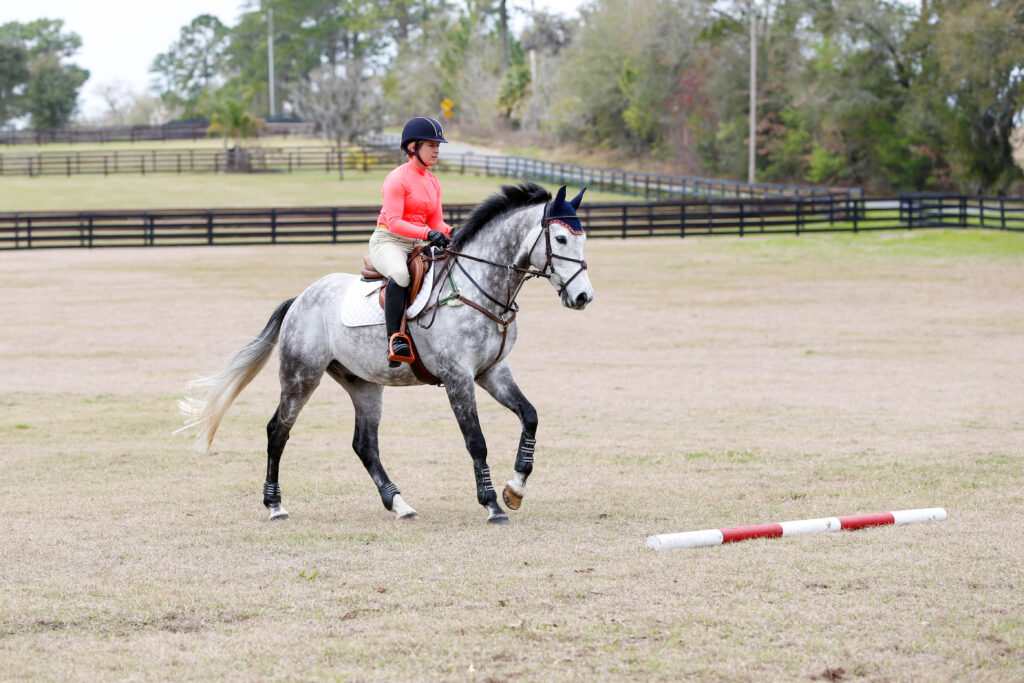
Trail riding is an excellent way to expose dressage horses to new environments and challenges. It encourages them to navigate different terrains, which can improve their balance and agility. This type of exercise also provides a mental break from the structured nature of dressage training, helping to prevent burnout.
Moreover, trail riding can strengthen the bond between horse and rider. Facing new obstacles together builds trust and confidence, which can translate into better performance in the arena.
Jumping as a Cross-Training Tool
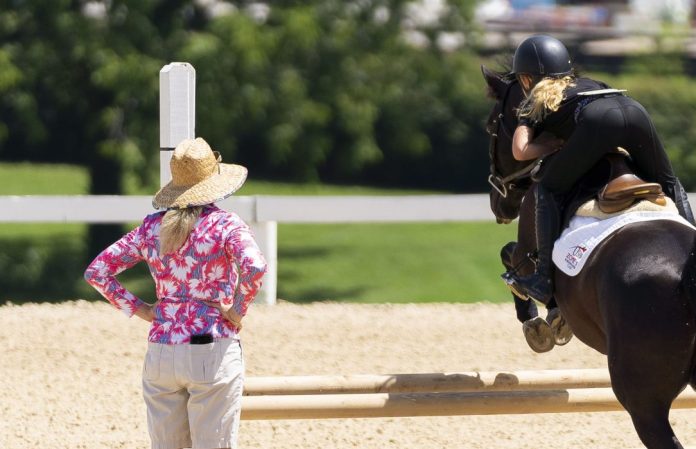
Incorporating jumping into a dressage horse’s routine can significantly enhance their athleticism. Jumping exercises develop muscle strength, improve coordination, and increase cardiovascular fitness. These benefits are crucial for maintaining a horse’s overall health and performance.
Jumping also introduces an element of fun and excitement into training sessions, which can boost a horse’s enthusiasm and willingness to work. For riders, it offers an opportunity to refine their skills and enhance their communication with their horse.
For more insights into developing balance and symmetry in horses, consider exploring this guide on balance and symmetry.
FAQs
What is the primary benefit of cross-training for dressage horses?
Cross-training enhances a horse’s physical and mental capabilities, improving balance, strength, and overall performance while preventing monotony in training routines.
How does trail riding benefit dressage horses?
Trail riding exposes horses to new environments, improving their balance and agility. It also strengthens the bond between horse and rider by building trust and confidence.
Can jumping be beneficial for dressage horses?
Yes, jumping exercises develop muscle strength, improve coordination, and increase cardiovascular fitness, contributing to a horse’s overall health and performance.