

Long-distance equestrian events demand not only skill and stamina from both horse and rider but also the right protective equipment. Among all the gear, selecting the most suitable helmet is crucial for safety, comfort, and sustained performance. When choosing a helmet for endurance riding, riders must balance ventilation, fit, and comfort for hours in the saddle. This article explores the key factors to consider, including airflow technologies, helmet fit, and features that make a real difference during extended rides.
Understanding how to find the right gear is essential for every rider. For those interested in a more tailored fit, see our guide on how to find the right riding helmet for your head shape for additional insights.
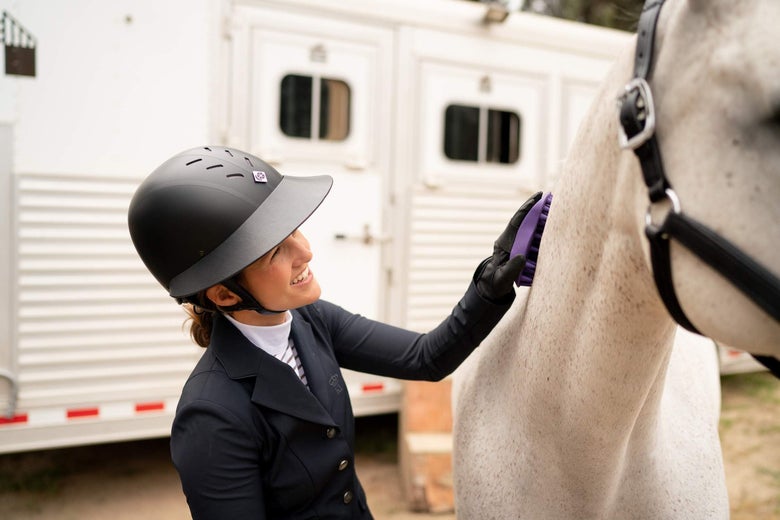
Key Considerations When Selecting an Endurance Helmet
Endurance riding presents unique challenges compared to other equestrian disciplines. Riders often spend several hours—sometimes an entire day—wearing their helmet. This extended use amplifies the importance of comfort, breathability, and secure fit. Here are the most important aspects to evaluate:
- Ventilation: Efficient airflow is essential to keep the rider cool and reduce sweat buildup.
- Weight: Lightweight helmets help minimize neck fatigue over long distances.
- Fit and Adjustability: A helmet that fits well and can be adjusted for a secure feel is less likely to cause discomfort or distraction.
- Safety Certifications: Look for helmets that meet or exceed recognized safety standards.
- Moisture Management: Liners that wick away sweat and can be removed for washing are a plus.
Ventilation and Airflow Technologies
One of the most significant factors for endurance riders is how well a helmet manages heat and moisture. Modern designs incorporate multiple vents and advanced airflow channels to enhance comfort. Helmets with larger or strategically placed vents allow heat to escape and fresh air to circulate, helping to prevent overheating during long rides.
Some helmets use specialized liners and materials that further improve breathability. For example, mesh panels or moisture-wicking fabrics can make a noticeable difference in hot or humid conditions. Additionally, certain models feature adjustable vents, allowing riders to control airflow depending on the weather.
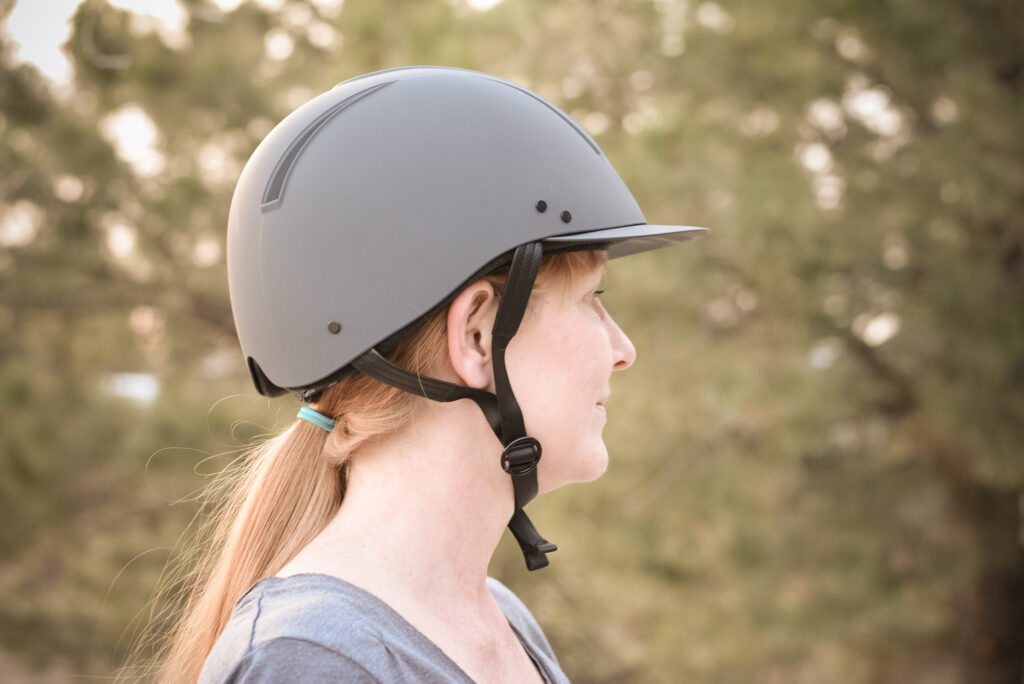
Comfort Features for Long-Distance Riders
Comfort is more than just padding. For those spending hours on the trail, even minor irritations can become major distractions. Look for helmets with:
- Removable and washable liners to maintain freshness.
- Ergonomic harness systems that distribute pressure evenly and prevent chafing.
- Low-profile designs that reduce wind resistance and weight.
- Customizable fit systems such as dial adjusters or interchangeable pads.
Helmets designed specifically for endurance riding often feature extended visors for sun protection and extra coverage at the back of the head. These details can make a significant difference in both comfort and safety during long rides.
Helmet Safety Standards and Technologies
While comfort and ventilation are vital, safety remains the top priority. Helmets should meet established standards such as ASTM, SEI, or EN certifications. These certifications ensure the helmet has passed rigorous impact and retention tests.
Advanced safety technologies are becoming more common in equestrian helmets. For example, the MIPS system for rotational impact protection is now available in several models. This technology is designed to reduce the risk of brain injury from angled impacts, which can occur in falls common to endurance events.
For a deeper look at how helmet retention systems contribute to safety, see our article on the importance of a secure helmet retention system.
Getting the Perfect Fit for Endurance
Fit is critical for both safety and comfort. A helmet that is too loose may shift during riding, while one that is too tight can cause headaches and pressure points. To ensure the best fit:
- Measure your head circumference using a flexible tape, just above the eyebrows and ears. For step-by-step instructions, refer to our guide on how to measure head circumference for horses.
- Try on several helmet models, as shapes and sizing can vary between brands.
- Adjust the retention system and chin strap for a snug, even fit. The helmet should not rock or slide when you move your head.
- Wear the helmet for several minutes to check for pressure points or discomfort.
Remember, a secure fit is essential for the helmet to provide maximum protection in the event of a fall.
Additional Tips for Endurance Helmet Selection
Beyond the basics, a few extra considerations can help riders make the best choice for their needs:
- Seasonal Adaptability: Some helmets offer interchangeable liners or vent covers for use in different weather conditions.
- Visibility: Reflective elements or bright colors can enhance safety, especially during early morning or evening rides.
- Maintenance: Choose a helmet that is easy to clean and maintain, as endurance rides can be dusty and sweaty affairs.
- Budget: While higher-end helmets offer advanced features, there are quality options available at various price points.
For those who also participate in other disciplines, consider helmets that meet multiple standards or offer features suitable for eventing. Our article on how to choose a helmet for eventing provides additional guidance for multi-discipline riders.
FAQ
How often should I replace my endurance riding helmet?
Helmets should be replaced every five years, or immediately after a significant impact or fall. Over time, materials degrade and may no longer provide optimal protection, even if no visible damage is present.
Can I use a regular riding helmet for endurance events?
While any certified helmet offers basic protection, those designed specifically for endurance riding provide enhanced ventilation, lighter weight, and features tailored for long hours in the saddle. Using a helmet built for endurance can significantly improve comfort and performance.
What is the best way to clean and care for my helmet?
Remove and wash the liner according to the manufacturer’s instructions. Wipe the exterior with a damp cloth and mild soap if needed. Avoid using harsh chemicals or submerging the helmet in water, as this can damage the protective materials.
Are there helmets suitable for both endurance and eventing?
Yes, some helmets are certified for multiple disciplines and offer features suitable for both endurance and eventing. Look for models with versatile safety certifications and adaptable comfort features.
Conclusion
Making an informed decision about head protection is vital for anyone participating in long-distance equestrian events. Prioritizing comfort, ventilation, and proper fit ensures you can focus on the ride rather than distractions from ill-fitting or poorly ventilated gear. By considering the factors outlined in this guide and exploring the latest safety technologies, riders can confidently select a helmet that meets their needs for both safety and comfort on every mile of the trail.