

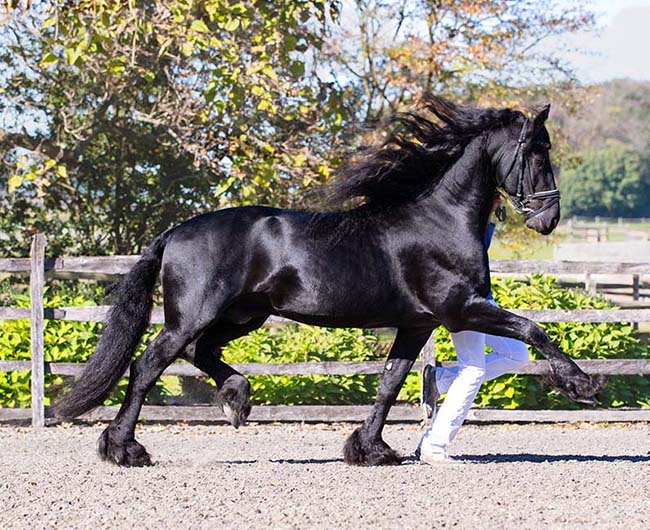
Friesian horses are admired for their striking appearance, gentle temperament, and versatility in disciplines ranging from dressage to driving. If you’re considering adding one of these majestic animals to your stable, this buying a Friesian horse guide will help you navigate the process with confidence. From essential checklists and reputable sources to understanding the costs involved, you’ll find practical advice for making an informed decision.
Before diving into the steps, it’s helpful to have a solid foundation of knowledge about the breed. For a comprehensive overview of their history, characteristics, and care, you may want to read the complete guide to Friesian horses as a starting point.
Understanding the Friesian Breed: Key Traits and Considerations
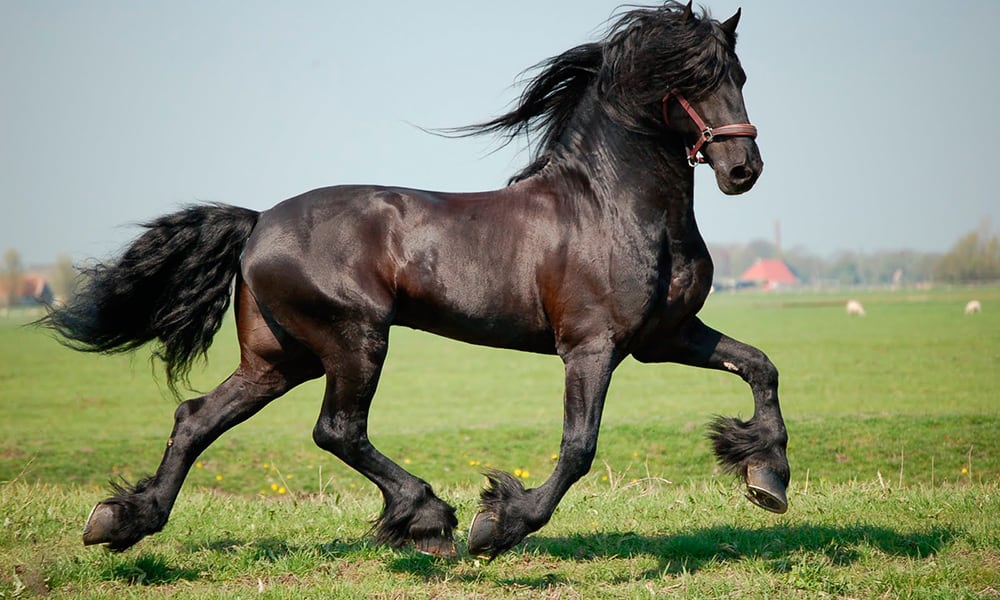
Friesians are known for their black coats, flowing manes, and feathered legs. They stand out not only for their looks but also for their intelligence and willingness to work. Before you begin your search, consider these important breed characteristics:
- Temperament: Friesians are generally friendly, calm, and eager to please, making them suitable for both experienced and novice owners.
- Size: Most Friesians stand between 15.2 and 17 hands high, with a sturdy build.
- Movement: Their high-stepping, elegant gaits are prized in dressage and show rings.
- Health: While generally robust, Friesians can be prone to certain genetic conditions, such as dwarfism and hydrocephalus. Regular veterinary checks are essential.
Learning about Friesian horse breed details and health considerations can help you identify what to look for in a healthy animal and what questions to ask breeders.
Essential Checklist for Prospective Buyers
Before purchasing, it’s crucial to have a structured approach. Use this checklist to ensure you’re covering all the important bases:
- Define Your Goals: Are you seeking a horse for competition, pleasure riding, or breeding? Your intended use will influence age, training, and pedigree requirements.
- Set a Realistic Budget: Factor in not only the purchase price but also ongoing expenses such as boarding, feed, veterinary care, farrier services, and insurance.
- Research Bloodlines: Friesians are often valued for their lineage. Investigate the horse’s pedigree and ask for registration papers from recognized organizations like the KFPS (Royal Friesian Horse Studbook).
- Arrange a Pre-Purchase Exam: Always have a trusted equine veterinarian conduct a thorough health check before finalizing the sale.
- Evaluate Training and Temperament: Spend time handling and, if possible, riding the horse to assess its suitability for your skill level and intended use.
- Review Documentation: Ensure all paperwork, including health records, vaccination history, and ownership documents, is in order.
Where to Find Friesian Horses for Sale
Finding a reputable source is a key step in the buying a Friesian horse guide. Here are some common avenues:
- Registered Breeders: Look for breeders affiliated with official Friesian registries. They can provide detailed information about bloodlines, health, and training.
- Breed Associations: Organizations such as the KFPS maintain lists of approved breeders and sometimes host sales or auctions.
- Specialized Sales Websites: Platforms dedicated to Friesian horses often feature detailed listings, photos, and videos.
- Word of Mouth: Networking within the equestrian community can lead to trusted recommendations and private sales.

When evaluating sellers, don’t hesitate to ask for references or visit their facilities in person. Observing how horses are raised and cared for can offer valuable insight into their health and temperament.
Price Ranges and Ongoing Costs
The cost of a Friesian horse varies widely based on age, training, pedigree, and show record. Here’s what you can expect:
| Type | Typical Price Range (USD) |
|---|---|
| Weanlings & Yearlings | $7,000 – $15,000 |
| Untrained Adults | $15,000 – $25,000 |
| Trained Riding/Driving Horses | $25,000 – $50,000+ |
| Show or Breeding Quality | $50,000 – $100,000+ |
In addition to the purchase price, ongoing expenses include:
- Boarding fees (if you don’t have your own facility)
- Feed and supplements
- Routine veterinary care and vaccinations
- Farrier services (hoof care)
- Tack, grooming supplies, and insurance
Budgeting for these recurring costs is essential for responsible ownership. For tips on maintaining a positive relationship with your new horse, explore resources like how to become a better horse owner.
Evaluating Health and Conformation
Assessing a Friesian’s health and physical structure is a critical part of the selection process. Here’s what to look for:
- Overall Condition: The horse should have a shiny coat, clear eyes, and good muscle tone.
- Legs and Hooves: Check for straight legs, healthy joints, and well-shaped hooves without cracks or excessive flaring.
- Movement: Watch the horse walk and trot to evaluate soundness and fluidity of motion.
- Breathing: Listen for any unusual sounds or labored breathing, which could indicate respiratory issues.
- Genetic Testing: Ask about screening for hereditary conditions common in the breed.
Don’t skip the pre-purchase veterinary exam. This step can reveal hidden health concerns and help you avoid costly surprises down the road. For more on equine care and well-being, see horse welfare best practices.
Preparing for Your New Friesian
Once you’ve selected your horse and completed the purchase, preparation is key to a smooth transition. Here are some steps to take before bringing your Friesian home:
- Set up safe, comfortable stabling with adequate space and ventilation.
- Stock up on feed, hay, and fresh water supplies.
- Gather grooming tools and tack suited for Friesians’ long manes and tails.
- Schedule a veterinary checkup and establish a routine care plan.
- Arrange transportation with an experienced equine hauler.
Friesians are known for their social nature, so introducing them gradually to new environments and companions can help reduce stress. For insights into horse communication and behavior, you might find equine behavior and communication helpful.
Frequently Asked Questions
What should I look for in a reputable Friesian breeder?
Choose breeders registered with recognized organizations, who can provide health records, registration papers, and references. A trustworthy breeder will welcome your questions and allow you to visit their facility.
How much does it cost to maintain a Friesian horse annually?
Annual costs can range from $3,000 to $10,000 or more, depending on boarding, feed, veterinary care, and other factors. Friesians require regular grooming and hoof care, which should be included in your budget.
Are Friesians suitable for beginners?
Many Friesians have a calm and willing temperament, making them a good choice for novice riders. However, their size and strength mean that beginners should work with a trainer or experienced horseperson, especially during the initial adjustment period.
Can Friesians be used for disciplines other than dressage?
Absolutely. While they excel in dressage, Friesians are also popular for driving, pleasure riding, and even some western disciplines. Their versatility is one of their most appealing traits.
Conclusion
Acquiring a Friesian horse is a significant commitment, but with careful planning and the right resources, it can be a rewarding experience. By following the steps in this buying a Friesian horse guide, from researching breeders to preparing for ongoing care, you’ll be well-equipped to welcome one of these remarkable horses into your life. Remember to consult experts, budget realistically, and prioritize the health and happiness of your new equine companion.