

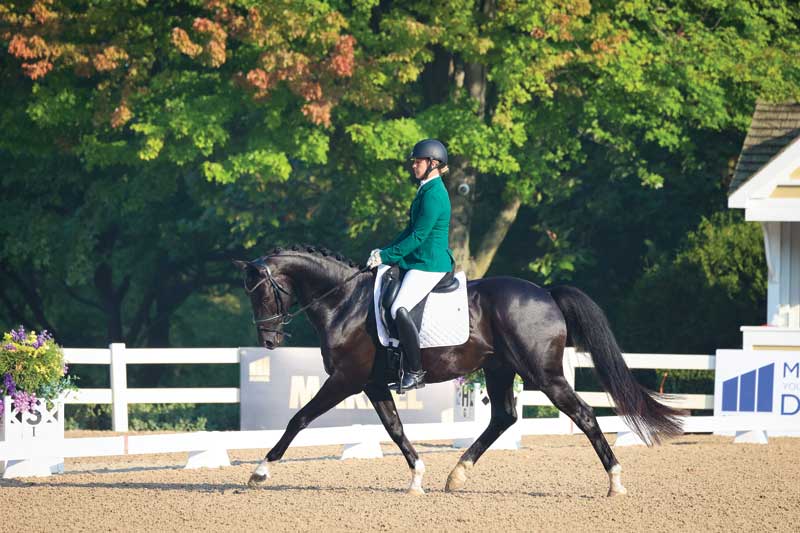
The biomechanics of dressage movement is a fascinating area that blends equine anatomy, physics, and the art of riding. Understanding how a horse’s body moves and responds to subtle cues is essential for riders seeking harmony, efficiency, and peak performance in the dressage arena. By examining the physical principles behind each stride, transition, and posture, riders and trainers can refine their approach, improve communication, and support the horse’s long-term health.
This article explores the fundamental mechanics behind dressage, how a horse’s body is engaged during various movements, and why this knowledge matters for both training and welfare. For those interested in related aspects of equestrian safety, learning about how to find the right riding helmet for your head shape can further enhance your riding experience.
Understanding the Foundations of Equine Biomechanics
At its core, dressage biomechanics refers to the study of how a horse’s muscles, bones, and joints work together to produce the precise, controlled movements required in dressage. Unlike general riding, dressage emphasizes balance, rhythm, suppleness, and straightness. Achieving these qualities depends on the horse’s ability to engage its hindquarters, lift its back, and move with elasticity.
Key elements include:
- Engagement: The horse’s hind legs step further underneath the body, allowing for impulsion and collection.
- Self-carriage: The horse maintains balance without relying on the rider’s hands for support.
- Alignment: The horse’s spine remains straight or correctly bent, depending on the movement.
- Relaxation: Tension is minimized, allowing for fluid, expressive gaits.
By focusing on these principles, riders can help their horses move more efficiently and reduce the risk of injury.
How the Horse’s Body Moves in Dressage
The mechanics of dressage movement involve coordinated action across the entire body. Each gait—walk, trot, and canter—has unique biomechanical demands. Let’s break down what happens during these movements:
- Walk: A four-beat gait where each hoof hits the ground independently. The horse’s back swings gently, and the head and neck move in rhythm with the stride.
- Trot: A two-beat diagonal gait. The horse’s back and abdominal muscles stabilize the trunk, while the hind legs provide thrust. The rider feels a springy, bouncing motion.
- Canter: A three-beat gait with a moment of suspension. The horse’s inside hind leg initiates the stride, requiring strong engagement and balance.
Advanced dressage movements, such as piaffe, passage, and pirouette, demand even greater strength, coordination, and flexibility. In these exercises, the horse must shift more weight onto the hindquarters, elevate the forehand, and maintain a round, supple topline.
The Rider’s Role in Facilitating Correct Movement
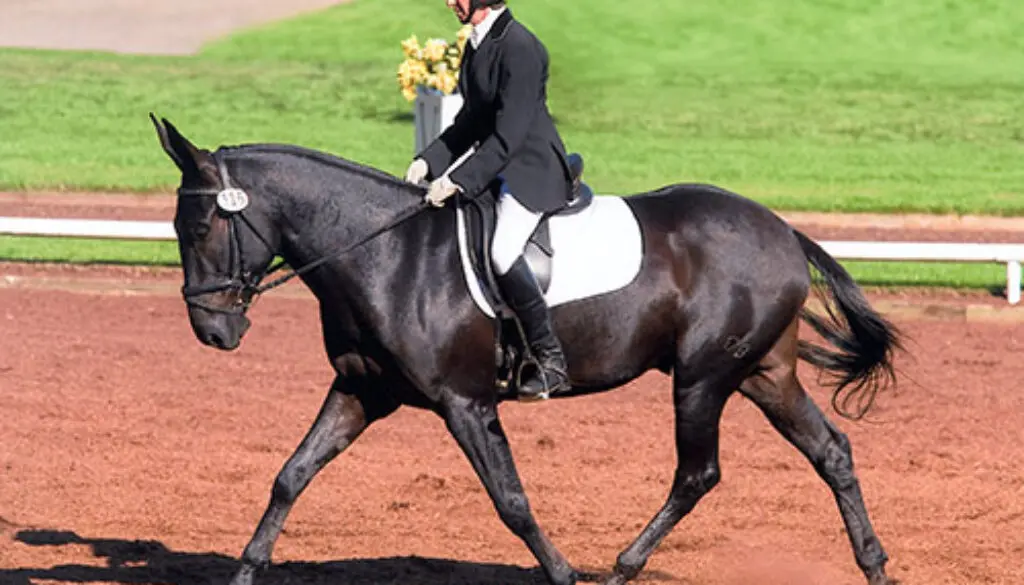
Rider position and aids play a crucial role in supporting the horse’s natural movement. A balanced, independent seat allows the rider to follow the horse’s motion without interference. Subtle shifts in weight, leg pressure, and rein contact communicate requests for transitions, lateral work, or increased collection.
Key aspects for riders include:
- Alignment: Ears, shoulders, hips, and heels should form a straight line.
- Core stability: Engaging the core helps absorb movement and maintain posture.
- Soft hands: Gentle, elastic contact encourages the horse to stretch and round its topline.
By understanding the biomechanics of dressage movement, riders can avoid common pitfalls such as bracing, collapsing, or overusing the reins. This awareness leads to a more harmonious partnership and better performance.
Common Biomechanical Challenges in Dressage
Even experienced riders and horses encounter challenges related to movement and posture. Some frequent issues include:
- Lack of engagement: The horse travels on the forehand, resulting in flat, unexpressive gaits.
- Hollow back: Insufficient topline development causes the back to dip, reducing power and flexibility.
- Stiffness: Resistance in the neck, shoulders, or hindquarters limits range of motion and suppleness.
- Asymmetry: Most horses (and riders) have a dominant side, leading to crookedness or uneven movement.
Addressing these problems often involves targeted exercises, physiotherapy, and careful saddle fitting. For more on equestrian standards and equipment, you might find the article on the difference between UK and US riding standards helpful.

Improving Performance Through Biomechanical Awareness
Optimizing the biomechanics of dressage movement is not just about achieving higher scores; it’s also about promoting the horse’s comfort and longevity. Here are some practical ways to enhance performance:
- Regular assessment: Work with a knowledgeable trainer or equine physiotherapist to identify strengths and weaknesses in your horse’s movement.
- Progressive training: Build strength and flexibility gradually, focusing on correct basics before advancing to more complex exercises.
- Groundwork: In-hand exercises can help improve straightness, engagement, and responsiveness without the added weight of a rider.
- Cross-training: Incorporate activities such as pole work, hill work, and turnout to develop a well-rounded athlete.
- Equipment check: Ensure saddles, bridles, and protective boots fit properly and do not restrict movement.
For a deeper dive into natural and holistic approaches to training, the principles and priorities of dressage naturally offer valuable insights into fostering biomechanical correctness and partnership.
Why Biomechanics Matter for Horse Welfare
Prioritizing correct movement is essential for the horse’s physical and mental well-being. Poor biomechanics can lead to muscle strain, joint stress, and long-term lameness. By understanding and applying sound principles, riders can:
- Reduce the risk of injury and discomfort
- Promote even muscle development
- Enhance the horse’s willingness and confidence
- Extend the horse’s competitive career
Ultimately, a focus on biomechanics benefits both horse and rider, creating a partnership built on trust, respect, and mutual understanding.
Frequently Asked Questions
What is the most important aspect of biomechanics in dressage?
The most critical aspect is engagement of the hindquarters. This allows the horse to carry more weight behind, lighten the forehand, and perform collected movements with balance and power.
How can I tell if my horse is moving correctly?
Signs of correct movement include a swinging back, relaxed and rhythmic gaits, even contact, and the ability to perform transitions smoothly. A knowledgeable trainer or video analysis can help identify areas for improvement.
Can poor rider position affect the horse’s biomechanics?
Yes, an unbalanced or tense rider can disrupt the horse’s natural movement, leading to stiffness, crookedness, or resistance. Developing a secure, independent seat and soft hands is essential for supporting the horse’s motion.