As temperatures drop and the days grow shorter, caring for your horse’s coat and skin becomes more challenging. Cold weather brings unique grooming needs, from managing thick winter coats to keeping skin healthy under blankets and mud. Adapting your routine with the right winter horse grooming tips helps ensure your equine companion stays comfortable, healthy, and ready for work or turnout all season long.
This article covers practical advice for grooming in chilly weather, including essential tools, coat care, and strategies to prevent common winter skin issues. Whether you’re an experienced owner or just starting out, these insights will help you maintain your horse’s health and appearance through the coldest months.
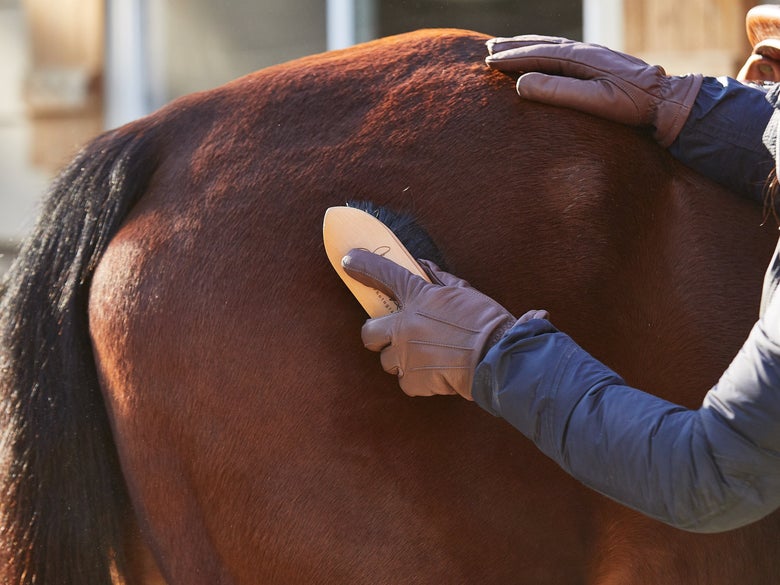
For those looking to establish a consistent grooming routine throughout the year, the daily horse grooming routine guide offers step-by-step advice tailored to all seasons.
Essential Tools for Cold Weather Grooming
Having the right equipment makes winter grooming more effective and comfortable for both you and your horse. Here are some must-have items for your grooming kit during the colder months:
- Stiff and soft brushes: A stiff brush helps remove dried mud and debris from thick coats, while a soft brush smooths and finishes the hair.
- Curry combs: Rubber or plastic curry combs are excellent for loosening dirt and stimulating circulation, even through dense winter hair.
- Hoof picks: Regular hoof cleaning is crucial, as mud and snow can pack into hooves and cause discomfort or thrush.
- Detanglers and mane/tail brushes: These help keep long hair free of knots and prevent breakage, especially when horses are blanketed or turned out.
- Microfiber towels: Useful for drying damp areas or cleaning faces without using cold water.
- Shedding tools: As winter turns to spring, shedding blades or grooming blocks help remove dead hair efficiently.
For a comprehensive look at the basics, visit the horse grooming basics resource for owners of all experience levels.
Managing Thick Winter Coats
Horses naturally grow a heavier coat in response to colder weather. While this provides insulation, it also traps dirt, sweat, and moisture, making regular grooming even more important. Here’s how to keep your horse’s winter coat healthy and clean:
- Daily brushing: Even if you can’t bathe your horse, daily brushing removes dust, dander, and loose hair, helping to prevent skin problems.
- Focus on high-sweat areas: Pay special attention to the girth, saddle area, and under blankets, where sweat and dirt can accumulate.
- Spot cleaning: Use a damp towel or waterless shampoo for spot cleaning when it’s too cold for a full bath.
- Blanket management: Remove blankets regularly to check for rubs, sores, or trapped dirt, and brush these areas thoroughly.

If you’re new to grooming or want a refresher, the horse grooming step by step guide breaks down each process for beginners.
Preventing Skin Issues in Cold Weather
Winter conditions can lead to specific skin problems, such as rain rot, mud fever, and blanket rubs. Preventing these issues requires vigilance and a proactive approach:
- Keep your horse dry: Moisture trapped under thick coats or blankets can create a breeding ground for bacteria and fungi. Dry your horse thoroughly after exercise or turnout in wet weather.
- Inspect skin regularly: Check under blankets and in areas prone to rubbing or moisture buildup. Early detection of sores or scabs allows for prompt treatment.
- Rotate blankets: Use clean, dry blankets and rotate them as needed to avoid prolonged dampness against the skin.
- Address mud and manure: Remove mud from legs and underbellies daily. Consider using barrier creams on lower limbs if your horse is turned out in muddy paddocks.
- Limit bathing: Frequent baths can strip natural oils from the coat, leading to dry, flaky skin. Opt for waterless grooming products when necessary.
For a more detailed overview of grooming for overall health, check out this step-by-step approach for equestrian care.
Hoof Care and Leg Protection During Winter
Hoof health is especially important in winter, as snow, ice, and mud can cause a range of issues. Here are some best practices:
- Pick hooves daily: Remove packed snow, ice, and mud to prevent bruising and thrush.
- Check for cracks or abscesses: Cold, wet conditions can exacerbate hoof problems, so inspect regularly.
- Apply hoof conditioners: Use products designed to maintain moisture balance in the hoof wall, especially if your horse is stabled on dry bedding.
- Consider protective boots: If your horse is prone to mud fever or has sensitive skin, turnout boots can help protect lower legs from mud and moisture.
Tail and Mane Maintenance in Cold Months
Long hair can become tangled, dirty, or even damaged during winter. Here’s how to keep manes and tails in top shape:
- Detangle regularly: Use a detangler spray and wide-tooth comb or fingers to gently remove knots.
- Avoid over-brushing: Excessive brushing can break hairs, especially when they’re dry or brittle from cold air.
- Keep tails clean: Spot clean with warm water or a damp towel as needed. Avoid full washes unless absolutely necessary.
- Braid for protection: For horses with very long tails, a loose braid can help prevent tangles, but avoid braiding too tightly or leaving braids in for extended periods.

Additional Cold Weather Grooming Strategies
- Warm up grooming tools: If possible, store brushes and towels in a heated tack room to avoid chilling your horse with cold equipment.
- Groom in a sheltered area: Use a barn aisle or grooming stall out of the wind to keep your horse comfortable.
- Watch for behavioral changes: Horses may be more sensitive to touch in winter, especially if their skin is dry or irritated.
- Monitor weight and body condition: Thick coats can hide weight loss, so feel along the ribs and withers regularly.
Consistent grooming not only keeps your horse looking good but also provides valuable time to check for injuries, monitor health, and strengthen your bond.
Frequently Asked Questions
How often should I groom my horse during winter?
It’s best to groom your horse daily or as often as possible, even in cold weather. Regular grooming removes dirt, prevents skin issues, and allows you to check for injuries or changes under thick coats and blankets.
Is it safe to bathe my horse in cold weather?
Full baths are generally not recommended during winter unless you have access to heated facilities and can dry your horse thoroughly. Instead, use spot cleaning methods like damp towels or waterless shampoos to keep your horse clean without risking chills.
What are the most common winter skin problems in horses?
Horses are prone to rain rot, mud fever (also called scratches), and blanket rubs during winter. These issues are often caused by moisture, dirt, and friction. Regular grooming, keeping your horse dry, and checking skin under blankets help prevent these problems.