


Choosing the right harness for your riding helmet is a crucial step in ensuring both safety and comfort while on horseback. The harness is responsible for keeping the helmet securely in place, even during sudden movements or falls. With several types of equestrian helmet harnesses available, understanding their differences can help you make an informed decision that matches your riding discipline, head shape, and personal preferences.
Beyond the shell and padding, the harness system is what truly determines how well your helmet will protect you in the event of an accident. Whether you’re a competitive rider, a casual trail enthusiast, or just starting out, knowing the options and features of various harness styles is essential. For those looking to dive deeper into helmet fit and sizing, the equestrian helmet size guide offers additional insights.
Understanding Equestrian Helmet Harness Designs
Harnesses are more than just straps—they are engineered to distribute impact forces, prevent helmet slippage, and provide a secure, comfortable fit. The main variations in equestrian helmet harness types relate to the number of points of attachment, materials used, and adjustment mechanisms.
- Attachment Points: Harnesses typically come in three-point, four-point, or five-point configurations, each offering different levels of stability and coverage.
- Materials: Straps may be made from nylon, leather, or synthetic blends, with padding or lining for added comfort.
- Adjustment Systems: Buckles, sliders, and dial-fit systems allow for personalized fitting and easy on/off.
Selecting the right harness style can make a significant difference in both safety and ride enjoyment. For a more technical breakdown of helmet safety features, see the equestrian helmet safety ratings article.
Three-Point Harnesses: The Classic Choice
The three-point harness is the most common system found on many general-purpose riding helmets. This design features two side straps that connect under the ears and a chin strap that secures beneath the jaw. The simplicity of this setup makes it easy to adjust and comfortable for most riders.
- Pros: Lightweight, quick to fasten, and suitable for a wide range of head shapes.
- Cons: May offer less lateral stability compared to more advanced harness systems, especially during high-impact falls.
Riders who participate in low-risk disciplines or are just starting out often find the three-point harness to be a practical and affordable option.
Four-Point Harnesses: Enhanced Stability and Security
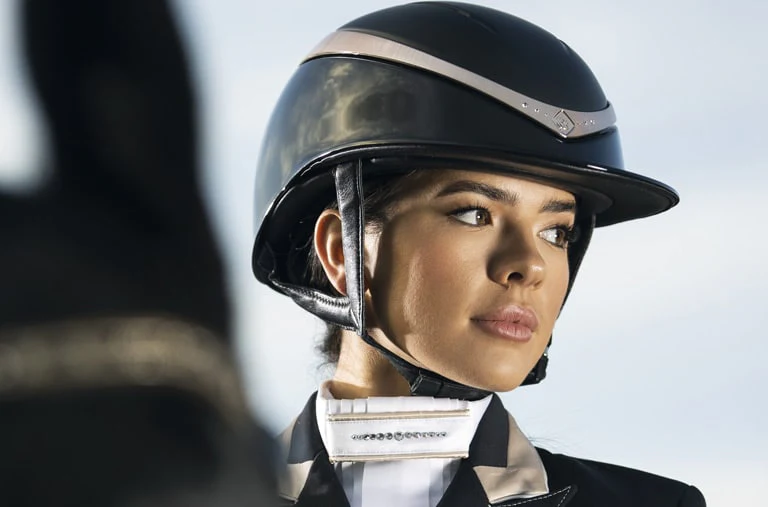
For riders seeking greater support, the four-point harness is a popular upgrade. This system adds an extra strap that anchors at the back of the helmet, creating two points of attachment on each side. The result is a more secure fit that minimizes helmet movement in all directions.
- Pros: Improved stability, especially during jumping or fast-paced riding. Reduces risk of helmet rotation or shifting.
- Cons: Slightly heavier and may require more time to adjust for a perfect fit.
Many eventers, show jumpers, and cross-country riders prefer this configuration for its added peace of mind during demanding activities. If you’re unsure about sizing, the how to measure head for riding helmet guide can help you achieve the right fit.
Five-Point Harnesses: Maximum Support for High-Performance Riding
The five-point harness is designed for the highest levels of support and security. It incorporates two additional straps that attach near the base of the helmet, often connecting to the rear and sides. This configuration distributes pressure evenly and helps keep the helmet stable even during extreme movements.
- Pros: Superior stability, ideal for eventing, cross-country, and other high-risk disciplines. Reduces helmet lift and twist.
- Cons: More complex to adjust, can feel bulkier, and may be overkill for casual riders.
Riders who prioritize safety above all else or compete at advanced levels often choose this style for its unmatched support.
Materials and Comfort Features in Helmet Harnesses
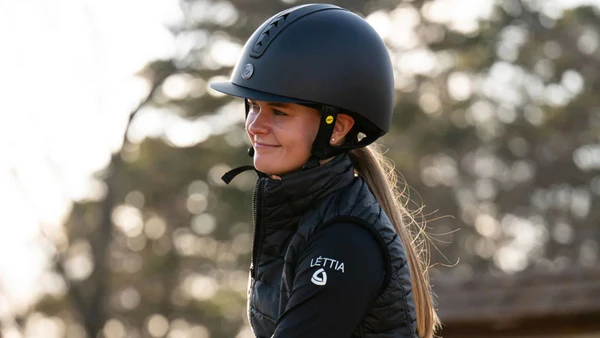
The comfort of a helmet harness depends not only on its structure but also on the materials used. Most modern harnesses use high-strength nylon webbing, which is lightweight, durable, and easy to clean. Some premium models incorporate padded sections or moisture-wicking linings to reduce chafing and improve comfort during long rides.
- Leather Straps: Traditional and stylish, but may require more maintenance and can stretch over time.
- Padded Chin Cups: Offer extra cushioning and help prevent irritation under the chin.
- Quick-Release Buckles: Allow for fast removal in emergencies and make daily use more convenient.
When evaluating harness comfort, consider how the straps feel against your skin, whether the adjustment points are easy to use, and if the system stays secure during movement.
Choosing the Right Harness for Your Riding Needs
The best harness for you depends on your riding discipline, head shape, and personal preferences. Here are a few tips to help you decide:
- Assess your typical riding activities. If you ride casually or in low-risk environments, a three-point harness may suffice. For jumping, eventing, or fast-paced sports, consider four- or five-point systems.
- Try on different helmets to see which harness style feels most secure and comfortable for your head shape.
- Check for certifications and safety standards, as some harness types are required for certain competitions or disciplines.
- Consult sizing guides and measure your head accurately to ensure a snug, safe fit. For detailed measuring instructions, see this step-by-step helmet sizing guide.
Care and Maintenance of Your Helmet Harness
Proper care extends the life of your harness and ensures it continues to provide reliable support. Here’s how to keep your harness in top condition:
- Regularly inspect straps and buckles for signs of wear, fraying, or damage.
- Clean nylon or synthetic straps with mild soap and water. Avoid harsh chemicals that can weaken fibers.
- Let the harness air dry completely before storing your helmet to prevent mildew or odor.
- Replace the harness or helmet if you notice significant wear or after any major impact.
Keeping your harness clean and functional is as important as maintaining the helmet shell itself.
FAQ: Equestrian Helmet Harnesses
What is the difference between a three-point and a four-point harness?
A three-point harness has two side straps and a chin strap, offering basic security for most riding activities. A four-point harness adds an extra anchor at the back of the helmet, providing increased stability and reducing the risk of the helmet shifting during movement or impact.
How do I know if my helmet harness fits correctly?
The harness should fit snugly without causing discomfort. You should be able to fit one or two fingers between the strap and your chin, and the helmet should not move when you shake your head. For more guidance, refer to the equestrian helmet size guide.
Can I replace the harness on my helmet?
Some helmets allow for harness replacement, but it’s important to follow the manufacturer’s instructions and use only approved parts. If the harness is damaged or worn, replacing the entire helmet may be the safest option.
Are certain harness types required for competitions?
Yes, some equestrian organizations and events require specific harness configurations for safety reasons. Always check the rules of your discipline to ensure compliance.
Selecting the right harness is a key part of your overall riding safety strategy. Take the time to explore your options and choose a system that offers the best combination of support, comfort, and peace of mind.