

As horses age, their grooming needs change. Senior equines often require extra attention to maintain healthy skin, a shiny coat, and overall comfort. Understanding the unique challenges of horse grooming old horses helps keep your aging companion feeling their best. This article explores practical approaches, essential tools, and gentle techniques tailored for older horses, ensuring their golden years are as comfortable as possible.
Proper grooming not only supports physical health but also strengthens the bond between horse and handler. From adjusting routines to recognizing age-related issues, caring for a senior horse is both a responsibility and a privilege. For those interested in broader equine safety topics, you might also find value in learning how to choose a helmet for eventing to ensure rider safety during all three phases.

Why Grooming Needs Change With Age
Older horses often develop thinner skin, patchy coats, and may be more sensitive to touch. Their immune systems can weaken, making them more susceptible to skin infections, parasites, and fungal issues. Regular, gentle grooming helps detect health problems early and provides comfort, especially for those with stiff joints or chronic conditions.
As horses age, their ability to self-groom diminishes. They may not roll as often or effectively, leading to dirt and debris buildup. Senior horses also tend to have slower hair growth and may struggle with shedding, particularly after winter. Adapting your grooming routine to these changes is essential for their well-being.
Essential Tools for Senior Horse Grooming
Selecting the right grooming tools is crucial for older horses. Soft-bristled brushes, gentle curry combs, and specialized shedding blades can make the process comfortable and effective. Avoid harsh or stiff brushes that could irritate delicate skin.
- Soft Body Brush: Ideal for sensitive skin and daily dust removal.
- Flexible Curry Comb: Helps loosen dirt without excessive pressure.
- Shedding Blade: Useful during seasonal coat changes, but use with care.
- Hoof Pick: Regular cleaning prevents thrush and discomfort.
- Sponges and Towels: For gentle cleaning of face, eyes, and sensitive areas.
Investing in a quality grooming kit designed for comfort can make a significant difference. For a comprehensive set, consider exploring options like the Weaver Leather Equine Grooming Kit.
Gentle Techniques for Comfort and Safety
When caring for older horses, a gentle approach is key. Always start by observing your horse’s mood and physical condition before grooming. Move slowly and speak softly to avoid startling them, especially if their hearing or vision is diminished.
- Start with the softest brush and gradually progress to firmer tools if tolerated.
- Pay attention to bony areas and avoid excessive pressure on joints or the spine.
- Use warm water for sponging sensitive regions, particularly in cold weather.
- Check for skin lesions, lumps, or signs of discomfort during each session.
- Keep sessions short if your horse tires easily, breaking up grooming into manageable parts.
Addressing Common Senior Horse Skin and Coat Issues
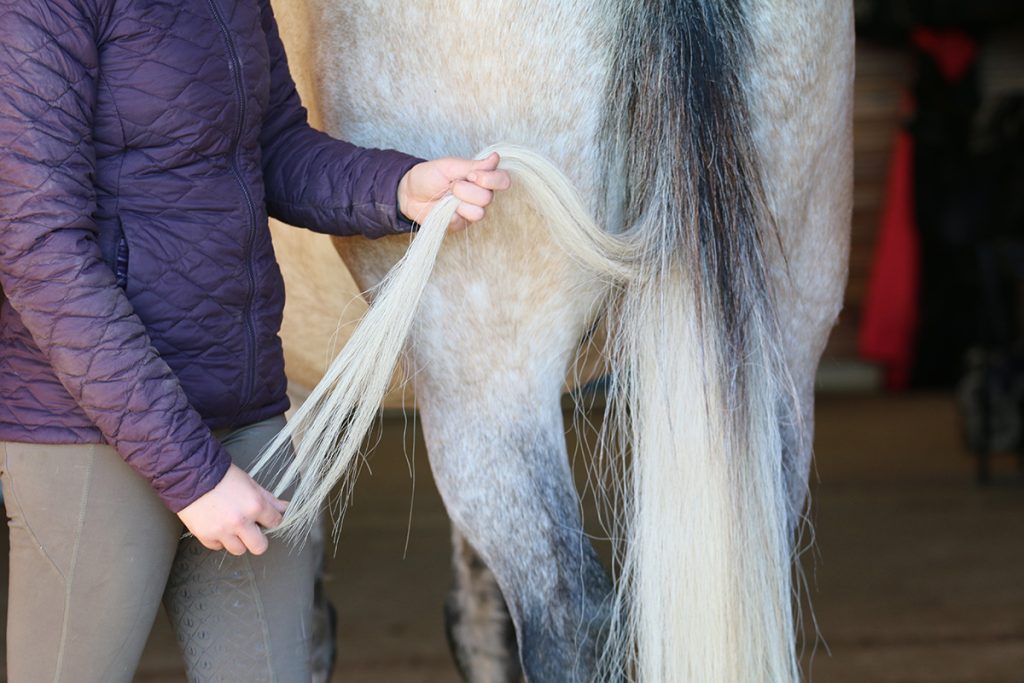
Aging horses are prone to certain skin and coat problems, including rain rot, dermatitis, and excessive dandruff. Regular grooming helps spot these issues early, allowing for prompt treatment. If you notice persistent hair loss, scabs, or unusual lumps, consult your veterinarian.
Nutrition also plays a role in coat quality. Ensure your horse receives a balanced diet with adequate vitamins and minerals. Supplements like omega-3 fatty acids can support skin health. For more in-depth grooming steps, you may find this step-by-step guide to horse grooming helpful.
Hoof Care for Aging Horses
Hoof maintenance is a crucial aspect of senior horse care. Older horses may develop arthritis or other mobility issues, making regular hoof cleaning and trimming even more important. Pick out hooves daily to prevent infections and check for cracks or signs of laminitis.
Work with your farrier to adjust trimming intervals as needed. Some senior horses benefit from more frequent, minor trims to maintain balance and comfort. If your horse struggles to lift their feet, try supporting the leg just above the fetlock and keep sessions brief.
Managing Shedding and Seasonal Changes
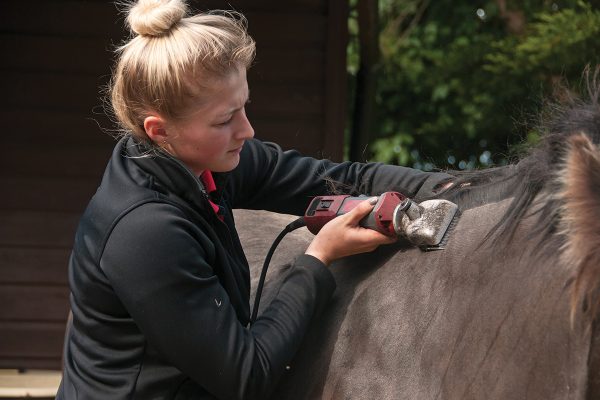
Senior horses may not shed their winter coats as efficiently as younger animals. This can lead to overheating or skin irritation as temperatures rise. Use a gentle shedding blade or grooming glove to help remove loose hair, but avoid over-brushing sensitive areas.
Monitor your horse’s comfort during seasonal transitions. If your older horse struggles with temperature regulation, consider blanketing during cold snaps and providing shade or fans in the summer. Consistent grooming helps you track changes in coat condition and overall health.
Bonding and Mental Well-Being Through Grooming
Beyond physical health, grooming sessions offer valuable time for connection. Many senior horses enjoy the attention and routine, which can help reduce anxiety and boredom. Use grooming as an opportunity to check for changes in behavior, appetite, or mobility that may signal health concerns.
If your horse seems uncomfortable or resistant, adjust your approach. Some older horses develop preferences for certain brushes or areas to be groomed. Respecting these preferences can make grooming a positive experience for both of you.
Additional Tips for Senior Equine Care
- Keep grooming areas free of hazards to prevent slips or falls.
- Schedule regular veterinary checkups to address age-related health issues.
- Maintain a consistent grooming schedule to monitor changes over time.
- Stay informed about best practices for older horse care by reading resources and consulting professionals.
- Consider your horse’s comfort and mobility when choosing grooming locations and routines.
For more on equestrian safety and equipment, you may want to read about common equestrian helmet fitting mistakes to ensure both you and your horse remain safe during all activities.
Frequently Asked Questions
How often should I groom my senior horse?
Older horses benefit from daily grooming, but the frequency can be adjusted based on their health and tolerance. Regular sessions help maintain skin health, detect issues early, and provide comfort.
What are signs that grooming is uncomfortable for my older horse?
Watch for flinching, pinned ears, shifting weight, or moving away during grooming. These behaviors may indicate pain, sensitivity, or discomfort. Adjust your technique and consult a veterinarian if concerns persist.
Are there special products for grooming aging horses?
Yes, there are brushes and grooming products designed for sensitive skin and delicate coats. Look for soft-bristled tools and hypoallergenic shampoos. Always choose products that prioritize comfort and skin health.
Can grooming help identify health problems in senior horses?
Absolutely. Regular grooming allows you to spot lumps, skin lesions, weight changes, or behavioral shifts that may indicate underlying health issues. Early detection is key to effective treatment.