

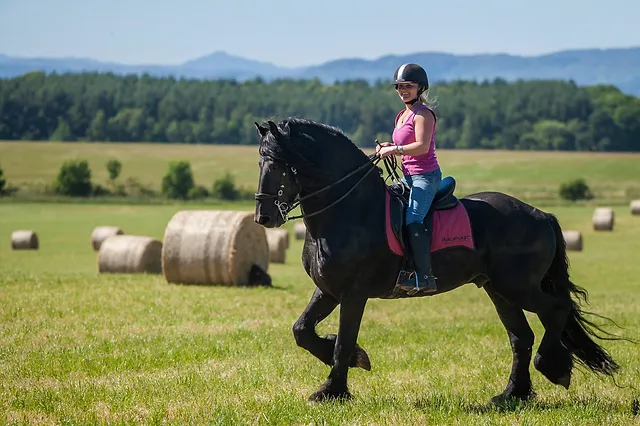
Friesian horses are renowned for their striking black coats, flowing manes, and gentle temperaments. However, their unique characteristics also mean they require attentive, season-specific management to maintain optimal health and appearance. Understanding seasonal care for Friesian horses is essential for every owner who wants to keep their horse thriving throughout the year.
From managing their lush coats in winter to protecting their sensitive skin in summer, Friesians benefit from a thoughtful approach that adapts to changing weather and environmental conditions. This article outlines practical strategies for every season, ensuring your Friesian remains healthy, comfortable, and looking its best.
For a comprehensive understanding of this breed’s background, temperament, and unique needs, see the complete guide to Friesian horses.
Understanding Friesian Horse Needs Across the Seasons
Friesians are a heritage breed originating from the Netherlands, known for their adaptability but also for some distinctive health considerations. Their thick coats and feathered legs, while beautiful, can present challenges in both hot and cold weather. Seasonal routines should be tailored to address these specific traits, focusing on grooming, nutrition, and environmental management.
Spring: Shedding, Allergies, and Pasture Transition
As winter recedes, Friesians begin to shed their dense coats. This period requires extra grooming to remove loose hair and prevent matting, especially in the mane, tail, and feathers. Using quality grooming tools and gentle detanglers can make this process easier and more comfortable for your horse.
Spring also brings new grass growth, which can be both a blessing and a risk. Friesians are prone to metabolic issues, so gradual introduction to lush pasture is crucial. Monitor your horse for signs of weight gain or laminitis, and consider using a grazing muzzle if necessary.
- Grooming: Brush daily to manage shedding and check for skin irritations.
- Pasture Management: Introduce grass slowly and monitor for digestive upsets.
- Allergy Awareness: Watch for signs of pollen allergies or insect sensitivity, especially around the eyes and muzzle.
Summer: Managing Heat, Sun, and Insect Stress
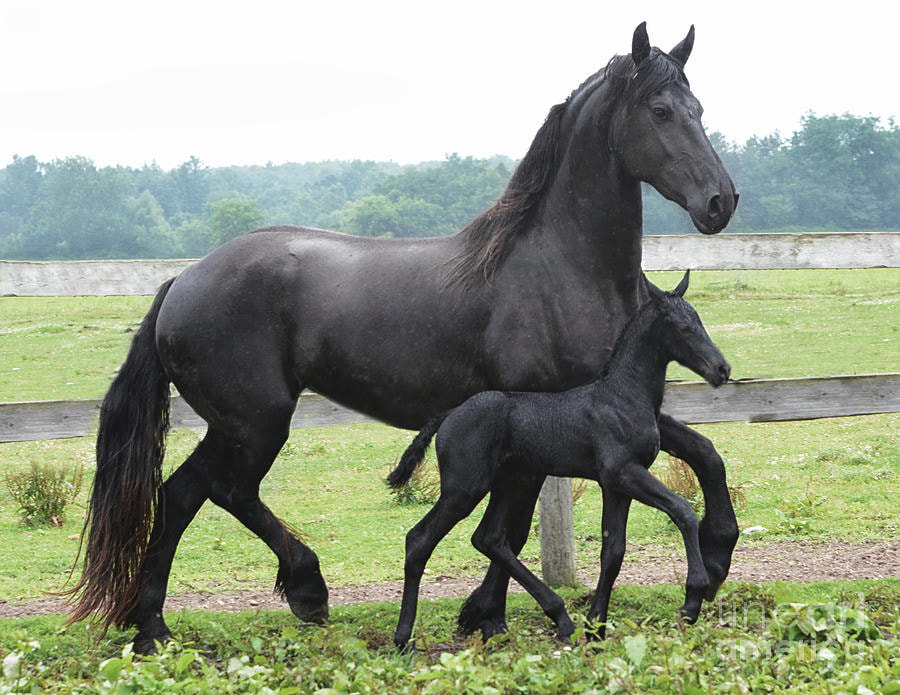
Warm months can be challenging for Friesians due to their dark coats and heavy feathering, which can trap heat and moisture. Overheating and sunburn are real risks, especially during peak sunlight hours. Providing ample shade, fresh water, and good ventilation in stables is essential.
Regular bathing and careful drying help prevent skin infections, particularly in the feathers. Use gentle shampoos and conditioners to maintain coat health. Insect control is also critical, as flies and midges can cause irritation and transmit disease.
- Shade and Shelter: Ensure access to cool, shaded areas during the hottest parts of the day.
- Hydration: Monitor water intake and add electrolytes if needed during periods of heavy sweating.
- Sun Protection: Consider using fly sheets with UV protection or applying equine-safe sunscreen to sensitive areas.
- Insect Management: Use fly sprays, masks, and regular stall cleaning to reduce pests.
Autumn: Preparing for Cold Weather and Coat Changes
As temperatures drop, Friesians begin growing their winter coats. This is a good time to adjust feeding routines, as increased caloric needs may arise. High-quality forage and balanced supplements support healthy weight and coat development.
Fall is also ideal for scheduling veterinary checkups, dental care, and vaccinations before winter sets in. Inspect hooves regularly, as wet, muddy conditions can lead to thrush and other hoof issues.
- Nutrition: Increase hay and monitor body condition to prevent winter weight loss.
- Health Checks: Schedule vet visits for vaccines and dental exams.
- Hoof Care: Clean and inspect hooves frequently to prevent infections.
Winter: Protecting Friesians from Cold and Damp
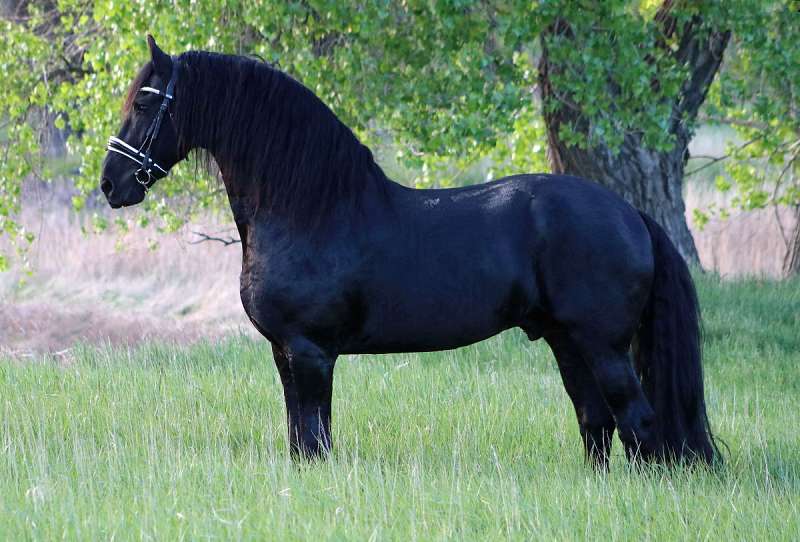
Friesians are generally hardy, but their thick coats and feathers can become problematic in wet, cold conditions. Prolonged dampness increases the risk of skin infections such as mud fever and rain rot. Providing dry, well-bedded shelter is vital during winter months.
Blanketing may be necessary for clipped horses or those that struggle to maintain weight. However, blankets should be checked daily for fit and dryness. Continue regular grooming to prevent matting and monitor for hidden sores or skin issues under the coat.
- Shelter: Ensure stables are dry, draft-free, and well-ventilated.
- Blanketing: Use waterproof, breathable blankets as needed, but avoid over-blanketing.
- Grooming: Pay special attention to feathers and under the mane for trapped moisture.
Year-Round Health Essentials for Friesian Horses
Regardless of the season, some aspects of Friesian care remain constant. Regular grooming not only keeps their coats and feathers in top condition but also provides an opportunity to check for injuries, parasites, or skin problems. Balanced nutrition, clean water, and routine veterinary care are the foundation of good health.
It’s also important to consider the mental well-being of Friesians. These intelligent, social horses thrive on interaction and consistent routines. Incorporate turnout, gentle exercise, and positive training to support both physical and emotional health.
- Routine Grooming: Use gentle products and tools designed for long manes and feathers.
- Nutrition: Adjust feed based on seasonal needs and monitor for metabolic issues.
- Veterinary Care: Maintain regular checkups, deworming, and dental care.
- Enrichment: Provide companionship, varied environments, and mental stimulation.
For more on managing the daily responsibilities of horse ownership, see horse ownership responsibilities.
Common Seasonal Health Concerns in Friesians
While Friesians are generally robust, they are susceptible to certain conditions that may be influenced by the time of year:
- Mud Fever: Most common in wet seasons, especially when feathers remain damp.
- Sunburn: Despite their dark coats, Friesians can develop sunburn on pink skin areas, such as around the muzzle.
- Sweet Itch: Allergic reactions to insect bites, especially in spring and summer.
- Laminitis: Risk increases with sudden access to rich spring grass.
Early detection and prompt management are key. Consult your veterinarian if you notice persistent skin issues, lameness, or changes in behavior.
For a detailed breed profile and further health considerations, visit this Friesian horse breed profile.
Frequently Asked Questions
How often should Friesian horses be groomed in different seasons?
Grooming frequency should increase during shedding seasons (spring and autumn) to manage loose hair and prevent matting. In summer and winter, regular grooming (at least several times a week) helps maintain skin health and allows for early detection of issues under thick coats or feathers.
What are the signs of heat stress in Friesians?
Signs include excessive sweating, rapid breathing, lethargy, and reluctance to move. If you notice these symptoms, move your horse to a shaded area, offer cool water, and consult your veterinarian if symptoms persist.
How can I prevent mud fever in Friesian horses?
Keep feathers clean and dry, provide dry turnout areas, and check legs daily for early signs of irritation. If mud fever develops, consult your veterinarian for appropriate treatment and consider trimming feathers slightly to aid drying.
Conclusion
Providing effective seasonal care for Friesian horses involves adapting routines to the unique needs of this majestic breed throughout the year. By focusing on grooming, nutrition, shelter, and health monitoring, owners can ensure their Friesians remain healthy, comfortable, and beautiful in every season. With attentive management and a proactive approach, your Friesian will thrive year-round.