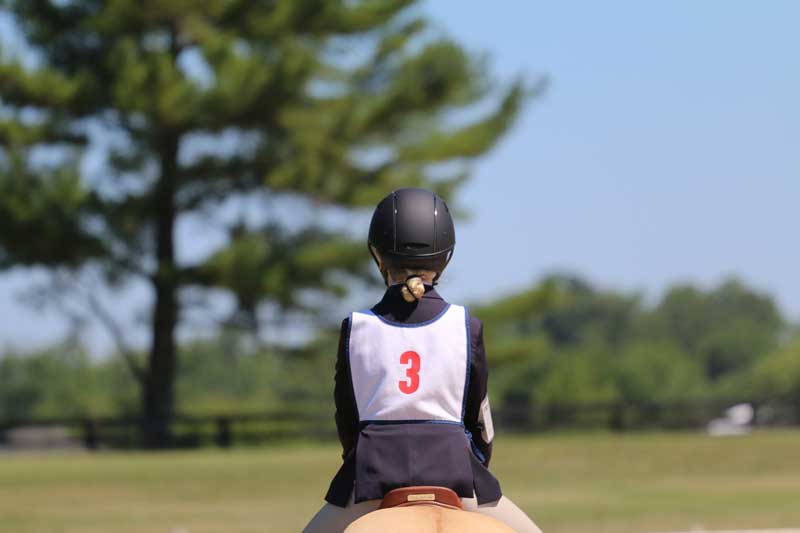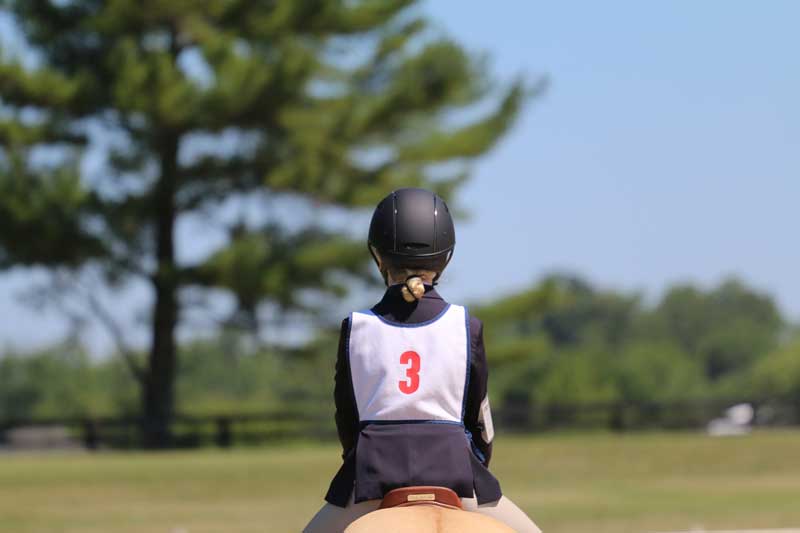
Equestrian sports have evolved significantly, and so has the gear designed to protect riders. Today’s helmets are engineered with advanced materials and innovative designs to offer superior protection, comfort, and style. Understanding the safety features of modern riding helmets is essential for anyone who values both performance and well-being during horseback activities. This article explores the latest advancements, how they work, and what to look for when choosing a helmet that meets current safety standards.
Proper helmet care and fit are just as important as the technology itself. For those interested in keeping their gear fresh, check out these tips on how to remove odors from riding helmets to ensure your equipment remains comfortable and hygienic over time.
Key Innovations in Helmet Safety
The science behind helmet protection has advanced rapidly in recent years. Modern helmets are no longer just hard shells; they incorporate a variety of technologies designed to absorb impact, reduce rotational forces, and maximize comfort. Here’s a closer look at the most important developments:
- Multi-Directional Impact Protection System (MIPS): This technology allows the helmet’s outer shell to move independently from the liner, reducing rotational motion transferred to the brain during angled impacts.
- Expanded Polystyrene (EPS) Foam: High-density EPS foam is used to absorb and dissipate energy from direct impacts, lowering the risk of head injury.
- Carbon Fiber and Composite Shells: Lightweight yet strong materials increase durability without adding unnecessary weight, making helmets more comfortable for extended use.
- Ventilation Systems: Strategically placed vents and channels help regulate temperature and moisture, improving comfort and reducing distractions.
- Adjustable Fit Systems: Modern helmets often feature dial-fit or harness systems for a secure, customized fit, which is crucial for safety and stability.
How Modern Helmets Protect Riders
Protection is the primary function of any riding helmet, and today’s models use a combination of materials and engineering to achieve this goal. The outer shell is designed to spread the force of an impact over a larger area, while the inner liner absorbs and dissipates energy. Some helmets also feature additional layers or slip-plane systems to address rotational forces, which are a leading cause of brain injuries in falls.
Another crucial aspect is the retention system, which keeps the helmet securely in place during a fall. For more details on this topic, see the importance of chin straps in riding safety and how proper adjustment can make a significant difference in protection.
Materials and Construction: What Sets Advanced Helmets Apart
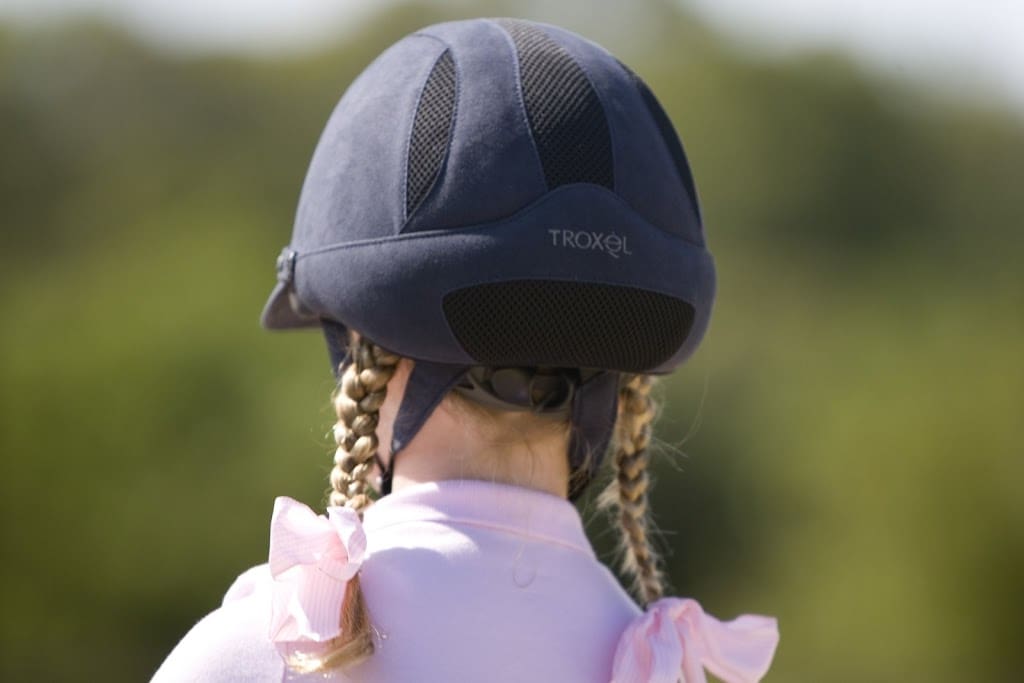
Today’s equestrian helmets are built with a focus on both safety and comfort. The use of high-quality materials such as polycarbonate, ABS plastic, and carbon fiber ensures that the helmet can withstand significant impacts while remaining lightweight. The inner liners are often removable and washable, which helps maintain hygiene and prolongs the life of the helmet.
Some helmets feature antimicrobial linings to reduce odor and bacteria, and others offer moisture-wicking fabrics for enhanced comfort. If you’re curious about how to manage hair for a secure fit, you may find this guide on how to tuck hair into a riding helmet helpful for achieving both safety and style.
Certification and Safety Ratings
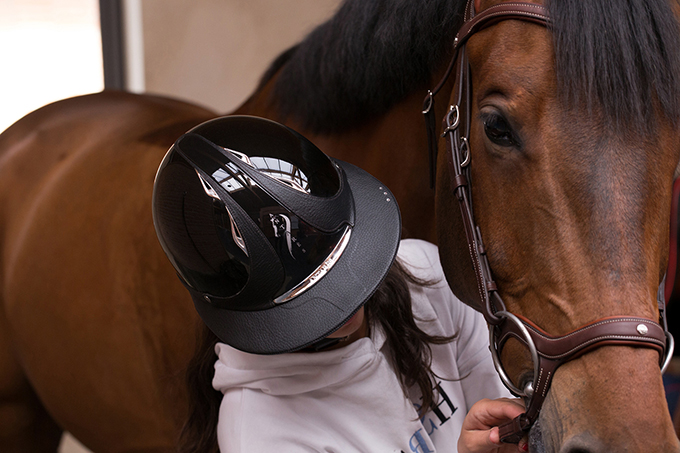
Not all helmets offer the same level of protection. It’s important to look for products that meet or exceed recognized safety standards, such as ASTM/SEI, VG1, or PAS015. These certifications indicate that the helmet has passed rigorous testing for impact absorption, penetration resistance, and retention system effectiveness.
For a deeper understanding of how helmets are evaluated, explore the topic of equestrian helmet safety ratings and learn what these ratings mean for your safety and peace of mind.
Proper Fit and Adjustment for Maximum Protection
Even the most advanced helmet can’t provide adequate protection if it doesn’t fit correctly. A well-fitted helmet should sit level on your head, cover the forehead, and remain stable during movement. Adjustable dials, padding inserts, and harness systems help achieve a snug fit for various head shapes and sizes.
For more guidance, consider this comprehensive guide on helmet sizing and fit considerations to ensure your helmet performs as intended in the event of a fall.
Care, Maintenance, and Storage Tips
Maintaining your helmet is crucial for long-term safety. Always follow the manufacturer’s cleaning instructions, avoid using harsh chemicals, and store your helmet in a cool, dry place away from direct sunlight. Exposure to heat can degrade materials and compromise protection. For more on this, see advice regarding the impact of heat on equestrian helmets and how to store your gear safely.
Frequently Asked Questions
What makes today’s riding helmets safer than older models?
Modern helmets incorporate advanced materials, multi-layered protection systems, and technologies like MIPS to better absorb and redirect impact forces. Improved fit systems and rigorous safety certifications also contribute to higher safety standards compared to older designs.
How often should I replace my riding helmet?
It’s generally recommended to replace your helmet every five years, or immediately after any significant impact or visible damage. Over time, materials can degrade, reducing the helmet’s effectiveness even if there are no obvious signs of wear.
Can I use a bike helmet for horseback riding?
No, bicycle helmets are not designed for the unique risks associated with equestrian sports. Riding helmets are tested for different types of impacts and offer specific features tailored to horseback activities. Always use a helmet certified for equestrian use.