

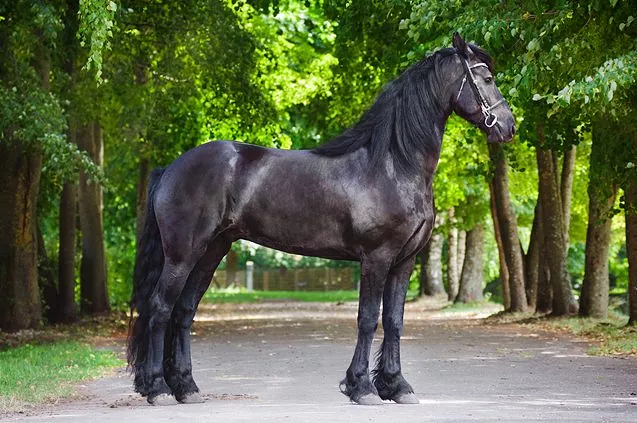
The Friesian horse is renowned for its striking black coat, flowing mane, and powerful presence. While the classic black Friesian is instantly recognizable, there is a world of rare Friesian horse colors that fascinates equestrians and breeders alike. These uncommon hues, such as chestnut, bay, and other unique variations, are not only visually stunning but also steeped in history and genetics. Understanding these rare colorations can deepen your appreciation for the breed and inform responsible ownership.
For those passionate about Friesians, learning about their unusual color genetics is more than a curiosity—it’s a window into the breed’s evolution and the careful stewardship required to preserve its legacy. If you’re interested in a broader perspective on Friesians, the complete guide to Friesian horses offers a comprehensive overview of their history, care, and characteristics.
Understanding Friesian Horse Color Genetics
Most Friesians are born black and retain this color throughout their lives, a result of centuries of selective breeding. However, the occasional appearance of unusual Friesian horse colors is due to recessive genes that have been quietly carried through generations. The breed standard set by the Koninklijke Vereniging “Het Friesch Paarden-Stamboek” (KFPS) in the Netherlands only registers black horses, but rare color variants do exist, often outside the main studbook.
The primary gene responsible for the Friesian’s black coat is the extension gene (E), which produces black pigment. When both parents carry a recessive allele for another color, such as the chestnut gene (e), their offspring may display a different hue. These rare colors are not the result of crossbreeding but rather the expression of hidden genetics within the purebred population.
Chestnut Friesians: The Most Famous Exception
Among all rare Friesian horse colors, chestnut (also called “red” or “fox”) is the most well-known and sought after. Chestnut Friesians are born with a reddish-brown coat, mane, and tail, setting them apart from their black counterparts. This color is caused by the presence of two copies of the recessive e allele at the extension locus.
Historically, chestnut Friesians were more common, but strict breeding regulations in the 20th century nearly eliminated the gene from the registered population. Today, chestnut Friesians are extremely rare, and most are found in North America, Australia, and a few European countries. Some registries, like the Friesian Horse Association of North America (FHANA), allow chestnut Friesians to be registered if their lineage is verified.
Other Uncommon Friesian Color Variations
While chestnut is the most famous, there are a few other rare Friesian horse colors that occasionally appear:
- Bay Friesians: Bay coloring, characterized by a brown body with black mane, tail, and lower legs, is extremely rare in Friesians. Like chestnut, it results from recessive genes and is not accepted by most breed registries.
- Grey Friesians: True grey Friesians are almost unheard of, as the gene responsible for greying is not present in the breed. Any grey Friesian is likely the result of crossbreeding.
- White Markings: Small white stars or socks can occasionally appear, but the breed standard discourages these. Horses with significant white markings are not eligible for registration in the main studbook.
These rare colorations are often the subject of debate among breeders and enthusiasts. While some appreciate the genetic diversity, others believe in maintaining the traditional black standard to preserve the breed’s iconic look.
Why Are Rare Friesian Colors So Unusual?
The rarity of alternative colors in Friesians is the direct result of strict breeding practices. The KFPS and other major registries have historically favored black horses, systematically excluding those with chestnut, bay, or excessive white from the official gene pool. This has made rare Friesian horse colors a true anomaly, often only appearing when both parents are untested carriers of recessive genes.
Genetic testing is now available to identify carriers of the chestnut gene, allowing breeders to make informed decisions. However, the debate continues over whether to allow these rare colors in the official registry or to keep the breed’s image uniform.
Care Considerations for Friesians With Unique Colors
Regardless of coat color, Friesians require attentive care to maintain their health and beauty. However, horses with lighter coats or white markings may need extra attention to prevent sunburn or staining. Grooming products designed for sensitive skin and regular bathing can help keep their coats vibrant. For practical grooming advice and tools, consider using a quality grooming kit and gentle shampoos.
It’s also important to understand the broader responsibilities of horse ownership. For tips on daily care, costs, and time management, the article on horse ownership responsibilities provides valuable insights.
Breed Standards and Registration Policies
Breed registries play a significant role in determining which Friesian colors are officially recognized. The KFPS remains strict, only allowing black horses with minimal white. However, some North American and Australian registries are more flexible, permitting chestnut Friesians with documented lineage. This has led to a small but passionate community of breeders dedicated to preserving these rare hues.
If you are considering owning or breeding a Friesian with a unique color, it’s essential to research the policies of your local registry. DNA testing can confirm the presence of recessive color genes, ensuring transparency and responsible breeding practices.
Preserving Genetic Diversity in Friesians
While the allure of the classic black Friesian is undeniable, the existence of rare Friesian horse colors highlights the importance of genetic diversity within the breed. Allowing for a broader range of colors can help reduce the risk of inherited health issues and maintain a healthy population. Breeders and enthusiasts must balance tradition with the benefits of diversity, using modern genetic tools to make informed choices.
For those interested in the daily care and well-being of Friesians, resources like Friesian horse care guides offer practical advice on grooming, feeding, and health management.
Frequently Asked Questions
Are chestnut Friesians purebred?
Yes, chestnut Friesians can be purebred. The chestnut color results from a recessive gene present in some Friesian bloodlines. As long as both parents are registered Friesians and the lineage is verified, a chestnut offspring is considered purebred, even if not eligible for registration in all studbooks.
Can Friesians be registered if they have rare colors?
Registration policies vary by registry. The KFPS only registers black Friesians with minimal white markings. However, some North American and Australian registries accept chestnut Friesians if their pedigree meets specific requirements. It’s important to check with your local registry for their rules regarding color.
Do rare Friesian colors affect temperament or health?
Coat color does not directly influence a Friesian’s temperament or health. However, horses with lighter coats or white markings may be more prone to sunburn or skin sensitivities. Their care needs are otherwise similar to those of black Friesians.
How can I tell if a Friesian carries the chestnut gene?
Genetic testing is the most reliable way to determine if a Friesian carries the chestnut gene. Many breeders test their horses to inform breeding decisions and avoid unexpected color outcomes.
Are rare Friesian horse colors more expensive?
Because of their rarity and uniqueness, Friesians with unusual colors like chestnut may command higher prices among collectors and enthusiasts. However, their value also depends on pedigree, conformation, and performance abilities.