

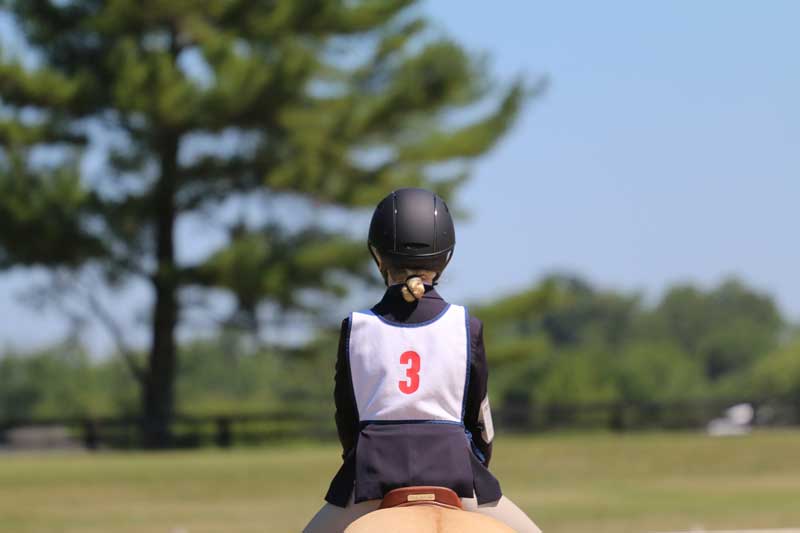
Finding the right helmet fit is crucial for every rider’s safety and comfort, but it can be especially challenging for those with rounder head shapes. Many helmets are designed with an oval profile, which can lead to pressure points or a loose fit if your head is more circular. Understanding how to fit a riding helmet for round heads ensures you get the protection you need without sacrificing comfort during long rides or competitions.
This guide will walk you through helmet shape basics, how to measure your head, what to look for in helmet brands and models, and practical steps for achieving a secure, comfortable fit. If you’re also interested in helmet safety for specific disciplines, you might find our article on how to choose a helmet for eventing helpful as well.
Understanding Helmet Shapes and Head Profiles
Equestrian helmets come in a variety of internal shapes, with the most common being:
- Oval – Longer from front to back, narrower from side to side. Suits most head shapes but not ideal for rounder heads.
- Round – Nearly equal length and width. Designed specifically for those with a more circular head profile.
- Intermediate – A compromise between oval and round, fitting a wider range of riders.
If you have a round head, wearing an oval helmet can cause discomfort, pressure points on the sides, or a loose fit at the front and back. It’s important to identify your head shape before shopping for a helmet.
Measuring Your Head for the Best Fit
Before choosing a helmet, measure your head accurately. Here’s how:
- Use a flexible measuring tape.
- Wrap it around your head about one inch above your eyebrows and ears, keeping it level all the way around.
- Note the circumference in centimeters or inches.
Compare your measurement to the manufacturer’s size chart. If you’re between sizes, opt for the larger one and use fitting pads if needed. Remember, a helmet should feel snug but not painfully tight.
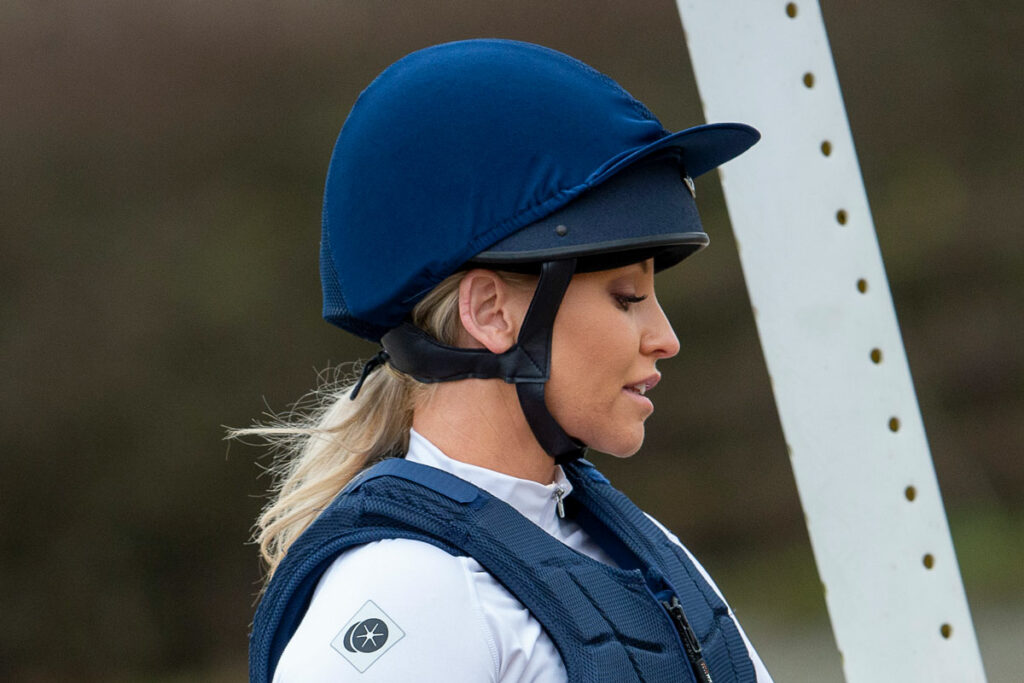
Key Features to Look for in Helmets for Rounder Heads
When searching for a helmet that suits a round head, keep these features in mind:
- Shape-Specific Models: Some brands offer models specifically labeled as “round fit” or “round profile.”
- Adjustable Fit Systems: Helmets with dial-fit or adjustable padding can help fine-tune the fit for rounder heads.
- Removable Padding: Allows you to customize the interior for more comfort and a secure fit.
- Certification: Always choose helmets that meet safety standards like ASTM/SEI, VG1, or PAS015.
Trying on several brands and models is the best way to find what works for your head shape. If possible, visit a tack shop with a knowledgeable fitter.
Step-by-Step: Fitting a Helmet for Round Head Shapes
Follow these steps to ensure your helmet fits correctly:
- Position the Helmet: Place it level on your head, sitting just above your eyebrows.
- Check for Gaps: The helmet should make even contact all around your head. No pressure points or loose areas.
- Secure the Chin Strap: Fasten the strap so only two fingers fit between the strap and your chin.
- Shake Test: Move your head side to side and up and down. The helmet should move with your head, not slide independently.
- Comfort Check: Wear the helmet for at least five minutes. Look for any discomfort or pressure that might indicate a poor fit.
If you feel pinching at the sides or looseness at the front/back, try a different model or use fitting pads to adjust the shape.

Popular Brands and Models for Rounder Head Shapes
Some helmet brands are known for offering rounder fits or adjustable options. While fit varies by individual, riders with rounder heads often find success with:
- Troxel: Many models, including the Spirit and Liberty, have a more generous, rounder fit.
- Charles Owen: Offers “Round Fit” versions of popular helmets.
- One K: The Defender series is available in both regular and round fit.
- Tipperary: Known for a slightly rounder internal shape in several models.
Always try before you buy, as even within brands, fit can vary between models. Consider reading manufacturer guides or consulting with a professional fitter for personalized advice.
Additional Tips for Achieving the Perfect Fit
- Try on helmets at the end of the day, when your head may be slightly larger due to natural swelling.
- Wear your usual riding hairstyle when fitting helmets, as hair can affect fit.
- Replace your helmet after any significant impact, even if there’s no visible damage. Learn more about post-accident helmet care in our article on how to handle a riding helmet after a crash.
- Store your helmet properly to maintain its shape and safety features. For storage tips, see how to store a riding helmet in a tack room.
Why Proper Fit Matters for Safety and Comfort
A helmet that fits well not only feels better but also provides maximum protection in the event of a fall. Ill-fitting helmets can shift during impact, reducing their effectiveness. For the latest in helmet safety technology, including MIPS and other innovations, check out this detailed explanation of riding hat safety standards and MIPS technology.
Comfort is also a key factor. Riders with rounder heads who wear helmets designed for oval shapes may experience headaches, red marks, or even numbness. A secure, comfortable fit encourages consistent helmet use, which is essential for safety every time you ride.
FAQ: Helmet Fitting for Rounder Head Shapes
What are the signs that my helmet is too oval for my head?
If your helmet feels tight at the sides but loose at the front and back, or you notice red marks on your temples after riding, it’s likely too oval for your head shape. You may also experience headaches or pressure points.
Can I make an oval helmet fit a round head with pads?
While fitting pads can help fine-tune the fit, they can’t change the fundamental shape of the helmet. For best comfort and safety, start with a helmet that matches your head profile as closely as possible.
How often should I replace my riding helmet?
Helmets should be replaced every five years, or immediately after a significant impact or fall. Even if there’s no visible damage, the internal structure may be compromised.
Are there helmets specifically labeled for round heads?
Yes, some brands offer models labeled as “round fit” or “round profile.” Always check with the manufacturer or a knowledgeable retailer to find these options.
Does helmet weight affect comfort for round heads?
Helmet weight can influence comfort, especially for longer rides. For more on this topic, see our article on how to evaluate helmet weight for neck comfort.