


Finding the right helmet for western riding is essential for both safety and personal expression. As more riders recognize the importance of head protection, the range of available options has grown to include helmets that blend traditional western aesthetics with advanced safety features. Whether you’re new to the saddle or a seasoned competitor, understanding what to look for in a helmet can make a significant difference in your riding experience.
This guide will walk you through the key considerations for selecting a helmet that meets safety standards, fits comfortably, and complements your western style. We’ll also highlight how to balance protection with the unique look that defines western riding. For those interested in other disciplines, you may also want to explore how to choose a helmet for eventing for a comparison of helmet needs across different riding styles.
Why Helmet Safety Matters in Western Riding
While traditional western hats offer shade and style, they do not provide the impact protection necessary for riding. Modern western riding helmets are designed to absorb shock and reduce the risk of serious head injuries. According to safety experts, wearing a helmet can reduce the risk of traumatic brain injury by up to 70% in the event of a fall or collision.
Many western events now encourage or require certified helmets, especially for youth and competitive riders. Even for casual trail rides, prioritizing safety is a smart choice. Helmets designed for western disciplines often mimic the look of a classic cowboy hat but incorporate advanced materials and technology to keep riders protected.
Key Features to Consider When Selecting a Western Riding Helmet
When evaluating options, it’s important to focus on several critical features that influence both safety and comfort. Here are the main aspects to keep in mind:
- Certification: Always choose a helmet that meets recognized safety standards such as ASTM/SEI or Snell. Certified helmets have undergone rigorous testing to ensure they provide adequate protection.
- Fit and Sizing: A helmet must fit snugly without causing discomfort. An ill-fitting helmet can compromise safety. For guidance on measuring your head and finding the right size, consult this comprehensive helmet sizing guide.
- Ventilation: Western riding often takes place outdoors in warm conditions. Look for helmets with effective ventilation systems to keep you cool during long rides.
- Weight: Lightweight helmets reduce neck fatigue and improve comfort, especially during extended wear. For more on this topic, see our article on how to evaluate helmet weight for neck comfort.
- Retention System: The chin strap should be easy to adjust and secure, ensuring the helmet stays in place even during sudden movements.
- Style: Many brands now offer western-inspired designs, including brimmed helmets and leather-look finishes that blend seamlessly with traditional attire.
Balancing Safety and Western Style
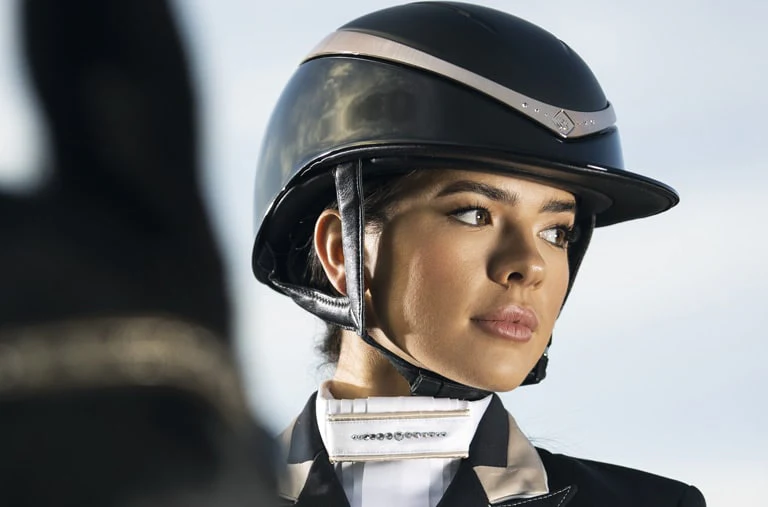
One of the most common concerns among western riders is maintaining a classic look while staying protected. Fortunately, helmet manufacturers have responded with innovative designs that honor western tradition. Many helmets now feature wide brims, decorative bands, and finishes that resemble felt or leather, allowing riders to express their style without sacrificing safety.
When choosing a helmet, consider how it will pair with your usual riding attire. Some helmets are designed to accommodate hat covers or decorative accessories, making it easy to personalize your look. Remember, the best helmet is one you’ll wear every time you ride—so choose one that feels like a natural extension of your gear.
How to Ensure the Right Fit for Your Western Riding Helmet
Proper fit is crucial for both comfort and protection. Here’s a step-by-step process to help you find the ideal fit:
- Measure your head circumference just above your eyebrows and ears using a soft tape measure.
- Consult the manufacturer’s sizing chart to select the correct helmet size. Sizes can vary between brands, so always check the specific chart.
- Try the helmet on. It should feel snug but not tight, with even pressure all around your head. There should be no gaps or pressure points.
- Fasten the chin strap and shake your head gently. The helmet should stay in place and not shift or rock.
- Wear the helmet for several minutes to ensure ongoing comfort. Adjust the padding or retention system as needed.
Some helmets offer adjustable fit systems or removable liners for a more customized feel. If you ride in varying weather conditions, consider a model with moisture-wicking liners or additional ventilation.
Advanced Safety Features for Modern Western Helmets
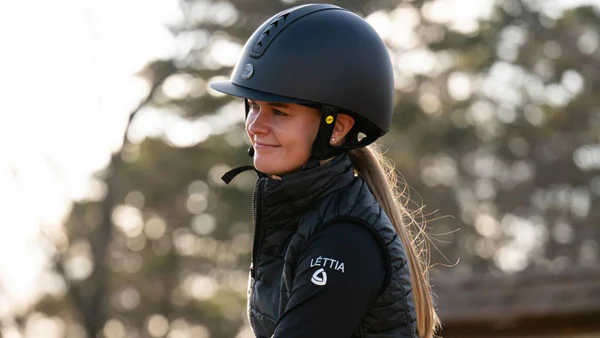
Today’s western riding helmets incorporate a range of advanced technologies to enhance protection. Some of the most notable features include:
- Multi-Impact Foam: Designed to absorb repeated impacts, extending the helmet’s protective lifespan.
- MIPS Technology: The Multi-directional Impact Protection System (MIPS) reduces rotational forces during angled impacts, offering additional brain protection.
- Removable and Washable Liners: These help maintain hygiene and comfort, especially during hot weather or long rides.
- Sun Protection: Wide brims and UV-resistant materials provide extra shade and help prevent sunburn.
For a deeper dive into helmet safety standards and certifications, see our article on the importance of multi-standard certified helmets.
Care and Maintenance Tips for Your Riding Helmet
Proper care extends the life of your helmet and ensures it continues to offer maximum protection. Here are some practical tips:
- Store your helmet in a cool, dry place away from direct sunlight and extreme temperatures.
- Clean the exterior with a damp cloth and mild soap. Avoid harsh chemicals that can degrade materials.
- Remove and wash liners regularly to prevent odor and bacteria buildup.
- Inspect your helmet for cracks, dents, or loose parts after any fall or impact. Replace it if you notice any damage.
- Follow the manufacturer’s recommendations for replacement—most helmets should be replaced every 3–5 years, even if no visible damage is present.
If you use a silk cover or decorative accessory, check out our guide on how to clean a silk helmet cover for maintenance tips.
Frequently Asked Questions
What makes a helmet suitable for western riding?
Helmets designed for western disciplines typically feature western-inspired styling, such as wider brims and decorative finishes, while meeting recognized safety standards. They are built to blend with traditional attire without compromising on protection.
How do I know if my helmet fits correctly?
A properly fitted helmet should feel snug but comfortable, with even pressure around your head. It should not move when you shake your head, and the chin strap should be secure. Always consult the manufacturer’s sizing guide and try on several models if possible.
Can I use an English riding helmet for western riding?
While English helmets offer similar levels of protection, they may not match the style or brim requirements preferred in western disciplines. For the best combination of safety and appearance, choose a helmet specifically designed for western riding.
How often should I replace my riding helmet?
Most manufacturers recommend replacing your helmet every 3–5 years, or immediately after a significant impact or fall. Regular inspection for cracks or damage is important to ensure ongoing protection.
Conclusion
Choosing the right helmet for western riding means balancing safety, comfort, and personal style. By focusing on certified protection, proper fit, and features tailored to your needs, you can ride with confidence and peace of mind. Explore the latest designs to find a helmet that not only keeps you safe but also complements your unique western look.