

Helmets are a critical piece of safety equipment for anyone who rides—whether it’s horseback riding, cycling, or motorcycling. For equestrians in particular, the importance of multi-standard certified helmets cannot be overstated. These helmets are designed and tested to meet multiple international safety standards, offering riders a higher level of protection and peace of mind. Understanding why these certifications matter and how they impact rider safety is essential for making informed choices about headgear.
Many riders may not realize that not all helmets are created equal. A helmet that meets only one safety standard might not provide the same level of protection in every scenario. Multi-standard certified helmets undergo rigorous testing to ensure they offer comprehensive coverage against a variety of impact types and accident situations. This guide explores the key reasons why choosing a helmet with multiple certifications is a smart move for anyone serious about safety in the saddle.
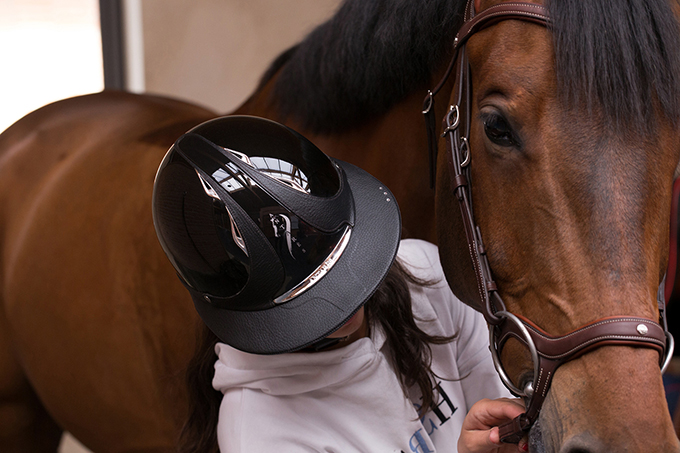
Before diving into the details, it’s helpful to consider how helmet choice can be tailored to specific riding disciplines. For example, if you’re interested in eventing, you might want to read about how to choose a helmet for eventing to ensure your headgear is suitable for all three phases of competition. Making informed decisions about helmet selection starts with understanding the value of robust certification.
What Are Multi-Standard Certified Helmets?
Multi-standard certified helmets are those that meet more than one recognized safety standard. These standards are set by organizations such as ASTM (American Society for Testing and Materials), SEI (Safety Equipment Institute), VG1 (European Equestrian Standard), and PAS015 (British Standard). Each standard has its own set of requirements for impact absorption, penetration resistance, retention system strength, and more.
When a helmet is certified to multiple standards, it means it has passed a broader array of tests. This increases the likelihood that the helmet will perform well in a variety of accident scenarios, whether it’s a fall from a horse, a collision, or a rotational impact. The importance of multi-standard certified helmets lies in this comprehensive approach to safety.
Why Multiple Certifications Matter for Rider Safety
Single-standard helmets may provide adequate protection for specific types of impacts, but real-world accidents are unpredictable. A helmet that is only tested for linear impacts might not protect as well against rotational forces, which are common in falls and collisions. Multi-standard certified helmets are designed to address a wider range of risks, offering enhanced protection for the wearer.
- Broader Impact Protection: Different standards test for various impact angles and forces. Meeting multiple standards ensures the helmet can handle more types of accidents.
- Rotational Force Mitigation: Some certifications, such as those that include MIPS (Multi-directional Impact Protection System), specifically address rotational impacts, which are a leading cause of brain injury in falls.
- Global Acceptance: Riders who compete internationally or travel with their horses benefit from helmets that meet both local and international standards, ensuring compliance wherever they ride.
For a deeper look at advanced safety technologies, consider reading about the benefits of the MIPS system in horse riding helmets and how it works alongside multi-standard certification to reduce injury risk.
Key Features of Helmets with Multiple Certifications
Helmets that carry several certifications often share certain features that set them apart from single-standard models. These include:
- Advanced Materials: Multi-standard helmets typically use high-quality materials like polycarbonate shells, EPS foam, and reinforced retention systems for maximum durability and impact absorption.
- Improved Fit and Comfort: To meet various standards, these helmets often feature adjustable harnesses, ventilation systems, and ergonomic padding, making them comfortable for long rides.
- Versatility: Riders can use the same helmet across different disciplines, from jumping to trail riding, without worrying about compliance or safety gaps.
When evaluating helmet options, it’s also important to consider factors like weight and comfort. For more guidance, check out advice on how to evaluate helmet weight for neck comfort to ensure your helmet is both safe and wearable for extended periods.

How Multi-Standard Helmets Benefit Different Types of Riders
The importance of multi-standard certified helmets extends to all types of riders, from competitive athletes to leisure riders. Here’s how different groups can benefit:
- Competitive Riders: Many competitions require helmets that meet specific standards. Multi-standard certification ensures compliance and eligibility across events and organizations.
- Trail Riders: Those who ride in varied environments face unpredictable hazards. Helmets with multiple certifications provide reassurance that their headgear can handle diverse risks. Learn more about choosing a helmet for trail riding to match your needs.
- Youth and Beginners: New riders are especially vulnerable to falls. Parents and trainers can feel more confident knowing their students are protected by helmets that have passed the strictest tests.
Common Helmet Safety Standards Explained
Understanding the most prevalent safety standards helps riders make informed decisions. Here are a few of the most recognized certifications:
| Standard | Region | Key Features |
|---|---|---|
| ASTM F1163 | USA | Impact, penetration, and retention tests |
| SEI | USA | Third-party verification of ASTM compliance |
| VG1 | Europe | Impact and crush resistance, retention |
| PAS015 | UK | Impact, crush, and harness strength |
Helmets that display certification marks from two or more of these standards offer a higher level of assurance for riders everywhere.

Tips for Selecting the Right Multi-Standard Helmet
Choosing a helmet with multiple certifications is a smart first step, but there are other factors to consider for optimal safety and comfort:
- Check Certification Labels: Always verify that the helmet displays certification marks for the standards relevant to your region and discipline.
- Ensure Proper Fit: A helmet must fit snugly without causing discomfort. Adjustable harnesses and padding can help achieve the right fit.
- Consider Weight and Ventilation: Lightweight helmets with good airflow are more comfortable, especially for long rides. For more on this, see the difference between foam and gel helmet padding and how it affects comfort.
- Replace After Impact: Any helmet that has sustained a significant blow should be replaced, even if there’s no visible damage.
Frequently Asked Questions
What does it mean if a helmet is multi-standard certified?
A multi-standard certified helmet has passed safety tests for two or more recognized standards, such as ASTM, SEI, VG1, or PAS015. This means it offers broader protection against different types of impacts and is accepted in more riding environments and competitions.
Are multi-standard helmets heavier or less comfortable?
Not necessarily. Advances in materials and design allow manufacturers to create helmets that are both lightweight and comfortable while still meeting multiple safety standards. Look for helmets with good ventilation and ergonomic features for the best experience.
How often should I replace my helmet?
Helmets should be replaced after any significant impact, even if no damage is visible. Additionally, it’s recommended to replace helmets every 3–5 years, as materials can degrade over time and reduce protective capability.
Conclusion: Making Safety a Priority
Prioritizing the importance of multi-standard certified helmets is a proactive step toward ensuring safety in the saddle. These helmets offer enhanced protection, greater versatility, and peace of mind for riders of all levels. By choosing headgear that meets multiple safety standards, riders can confidently face the challenges of their sport, knowing they are as protected as possible. Whether you’re competing, trail riding, or just starting out, investing in a helmet with robust certification is one of the smartest decisions you can make for your safety and well-being.