Giving your horse a thorough bath is an essential part of equine care, helping to maintain healthy skin, a shiny coat, and overall comfort. Whether you’re preparing for a show, cleaning up after a muddy ride, or simply keeping your horse comfortable in warm weather, understanding how to bathe a horse with the right technique is crucial for both safety and effectiveness.
Proper bathing not only removes dirt and sweat but also allows you to check for skin issues, parasites, or injuries that might otherwise go unnoticed. However, bathing a horse requires more than just water and soap—it’s about using the correct products, following safe handling practices, and making the experience positive for your equine companion.
For those interested in seasonal grooming routines, you can find practical advice in our horse grooming in spring guide, which covers care tips specific to changing weather conditions.
Essential Supplies for Bathing Your Horse
Before starting, gather all necessary supplies to ensure a smooth and safe process. Here’s what you’ll need:
- Equine shampoo (avoid human or harsh detergents)
- Large sponge or soft wash mitt
- Bucket for mixing shampoo and water
- Hose with adjustable spray nozzle or a large container for rinsing
- Scraper or sweat scraper for removing excess water
- Clean towels for drying sensitive areas
- Detangler or conditioner for mane and tail (optional)
- Safe, non-slip area with access to water
Having a dedicated horse grooming kit can make the process more efficient and organized.
Preparing Your Horse for a Bath
Preparation is key to a safe and stress-free bathing experience. Start by tying your horse in a secure, well-ventilated area with good drainage. Use a quick-release knot or cross-ties for safety. Before getting your horse wet, thoroughly groom to remove loose dirt, mud, and tangles. This step prevents clogging your wash area and makes washing more effective.
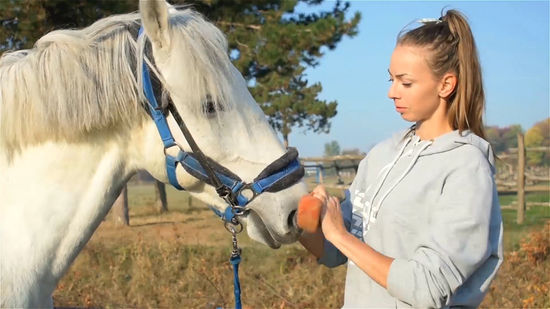
Pay special attention to the mane and tail, using a detangler if needed. If you’re unsure about grooming techniques, our resource on horse grooming eye cleaning offers tips for handling sensitive areas gently and safely.
Step-by-Step Guide: Washing Your Horse Safely
With your horse prepped and supplies ready, follow these steps for a safe and effective bath:
- Wet the Horse Gradually: Start by wetting the legs first, then slowly work your way up the body. This helps your horse acclimate to the water temperature and prevents startling. Avoid spraying water directly on the face or ears.
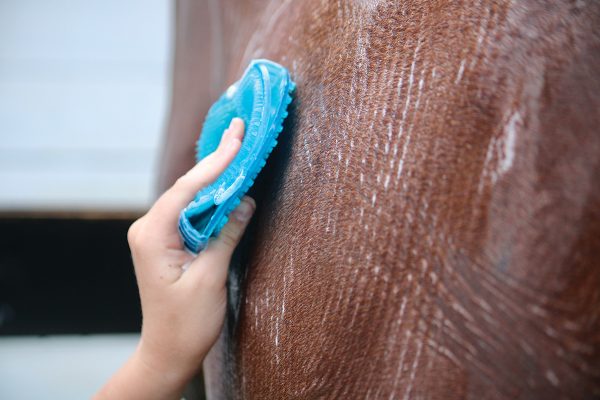
- Apply Shampoo: Dilute the equine shampoo in a bucket of water. Using a sponge or mitt, gently scrub the horse’s body in circular motions, paying attention to sweaty or dirty areas. Be cautious around the face—use a damp cloth for this sensitive region.
- Clean the Mane and Tail: Apply shampoo to the mane and tail, working it through with your fingers or a comb. Rinse thoroughly to prevent residue buildup, which can cause itching.
- Rinse Thoroughly: Rinse from the top down, ensuring all soap is removed. Leftover shampoo can irritate the skin.
- Remove Excess Water: Use a sweat scraper to remove as much water as possible. Towel dry sensitive areas and allow your horse to air dry in a draft-free spot.
For additional advice on keeping your horse comfortable during hot months, see our article on horse grooming in hot weather.
Safety Tips for Bathing Horses
Ensuring safety for both you and your horse is paramount during bathing. Here are some important considerations:
- Never tie your horse solidly; always use a quick-release knot or breakaway halter.
- Check water temperature before spraying—lukewarm is ideal.
- Stand to the side, not directly behind or in front of your horse.
- Monitor your horse’s body language for signs of stress or discomfort.
- Keep the bathing area free from obstacles and slippery surfaces.
- Never leave your horse unattended while tied and wet.
For more on safe and effective grooming, the Canadian Paso Fino Society’s grooming guide offers additional insights and best practices.
Drying and Post-Bath Care
After rinsing, use a sweat scraper to remove excess water, especially in cooler weather. Allow your horse to dry in a sheltered area, out of direct wind. Walking your horse can help speed up drying and prevent chills. Brush the coat once dry to restore shine and remove any remaining loose hair.
If you’re bathing during colder months, consider reviewing our winter horse grooming tips to keep your horse healthy and comfortable in chilly conditions.
How Often Should You Wash Your Horse?
The frequency of bathing depends on your horse’s activity level, environment, and skin condition. Regular grooming is usually sufficient for most horses, with full baths reserved for particularly dirty days, before competitions, or during hot weather. Over-bathing can strip natural oils, so always assess your horse’s needs and consult with your veterinarian if unsure.
For post-event care, see our recommendations on horse grooming after competition to help your horse recover and maintain a healthy coat.
Frequently Asked Questions
What is the best shampoo to use for horses?
Always choose a shampoo specifically formulated for equine use. These products are designed to clean effectively without irritating the skin or stripping essential oils. Avoid using human shampoos or harsh soaps.
Can I bathe my horse in cold weather?
Bathing in cold weather should be done with caution. Use warm water, keep the process brief, and ensure your horse dries thoroughly in a sheltered area. Consider spot-cleaning or dry grooming when temperatures are low.
How do I clean my horse’s face safely?
Use a damp sponge or soft cloth to gently wipe the face, avoiding the eyes and inside the ears. Never spray water directly on the face, as this can cause stress or discomfort.