

Dressage is often described as the art of harmonious partnership between horse and rider, but this partnership is not built overnight. The process of developing a dressage horse is a gradual journey, shaped by patience, consistency, and a deep understanding of equine learning. For riders and trainers, recognizing how dressage training evolves over time is essential for setting realistic goals and nurturing both horse and rider progress.
Whether you are just starting out or looking to refine your approach, understanding the progression of dressage—from the basics to advanced movements—can help you make informed decisions at every stage. Along the way, it’s also important to prioritize safety, such as by learning how to choose a helmet for eventing to protect yourself during every ride.

Foundations: The Early Stages of Dressage Development
The initial phase of dressage focuses on establishing trust, rhythm, and relaxation. At this stage, the horse learns to respond to basic aids and develops the muscle strength necessary for future work. The rider’s role is to provide clear, consistent cues and to reward progress, however small.
- Rhythm and relaxation: These are the cornerstones of early dressage. Horses must move forward willingly and without tension.
- Contact and connection: Introducing the concept of steady, elastic contact with the bit helps the horse understand communication through the reins.
- Basic transitions: Walk, trot, and canter transitions are practiced to encourage balance and attentiveness.
During this period, it’s common for riders to encounter challenges such as inconsistent tempo or resistance to the aids. Patience and positive reinforcement are key. For those new to the discipline, resources like this beginner equestrian’s guide to dressage riding can provide helpful context and foundational tips.
Building Blocks: Progressing Through the Levels
As the horse and rider partnership matures, training shifts toward developing suppleness, straightness, and increased engagement from the hindquarters. This evolution is gradual, with each level building on the last.
Understanding the Training Scale
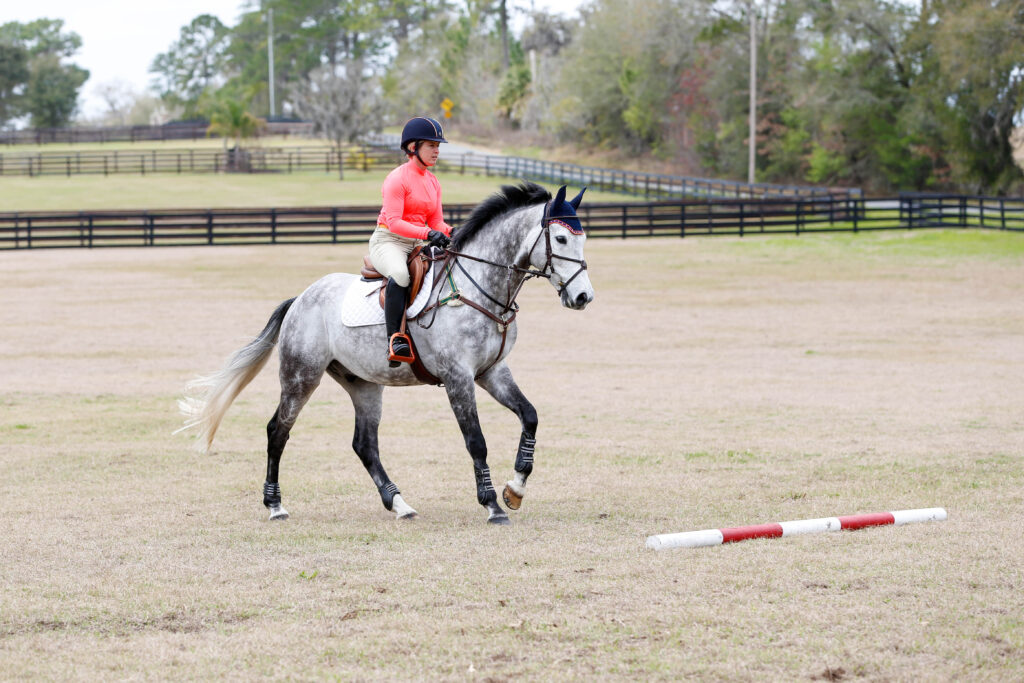
The training scale is a framework used to guide progression in dressage. It includes rhythm, relaxation, connection, impulsion, straightness, and collection. Each element supports the next, and progress is rarely linear—horses and riders often revisit earlier steps as they advance.
For example, as a horse learns lateral movements such as leg-yield and shoulder-in, the rider refines their own balance and timing. These exercises enhance suppleness and teach the horse to move away from the leg, preparing both for more advanced work.
Challenges and Plateaus
Progress in dressage is rarely without setbacks. Horses may hit plateaus where improvement seems slow or even regress temporarily. This is a normal part of the learning process. Riders should focus on consistency, revisit basics, and ensure their own position and aids are clear.
At this stage, it’s also wise to pay attention to equipment and safety. For instance, understanding how to evaluate helmet weight for neck comfort can make long training sessions more comfortable and productive.
Advanced Movements: Mastery and Fine-Tuning
As training advances, the focus shifts to collection, self-carriage, and the execution of complex movements such as flying changes, pirouettes, and piaffe. The horse must be strong, supple, and attentive, while the rider’s aids become increasingly subtle.
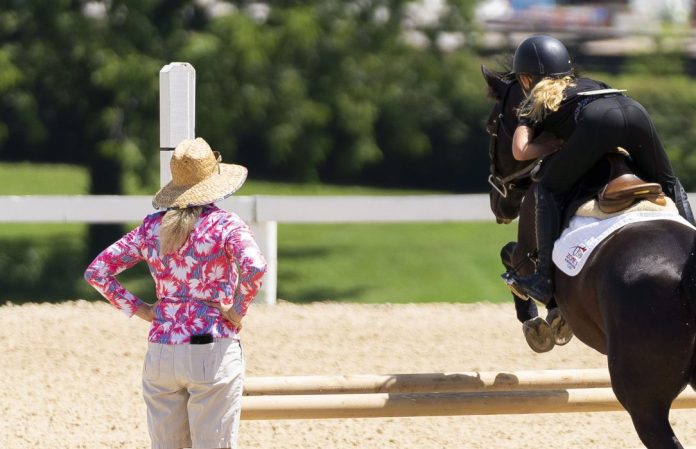
At this level, the partnership between horse and rider is highly refined. Communication is nearly invisible, and the horse performs with lightness and expression. However, even at the highest levels, ongoing attention to the basics is crucial. Regularly revisiting rhythm, relaxation, and straightness ensures that advanced work remains correct and harmonious.
Maintaining Progress and Preventing Burnout
As horses and riders reach advanced stages, it’s important to balance training intensity with rest and variety. Incorporating hacking, ground work, and cross-training can keep horses mentally fresh and physically sound. Riders should also monitor their own well-being and equipment, such as by checking for common equestrian helmet fitting mistakes to ensure ongoing safety.
Key Factors Influencing Dressage Progression
The journey through the levels of dressage is shaped by many factors. Understanding these can help riders set realistic expectations and adapt their approach as needed.
- Horse’s age and conformation: Young horses require time to mature physically and mentally. Some breeds may progress faster or excel in certain movements.
- Rider experience: A knowledgeable rider can guide a horse more effectively, but both partners are always learning.
- Consistency and patience: Regular, thoughtful training sessions are more effective than sporadic, intense efforts.
- Health and soundness: Regular veterinary care, proper hoof management, and appropriate tack are essential for sustained progress.
Throughout this journey, it’s helpful to stay informed about safety standards, such as the VG1 01.040 safety standard meaning, and to check your gear regularly for wear and fit.
Frequently Asked Questions
How long does it take for a horse to progress through the dressage levels?
The timeline varies widely depending on the horse’s age, temperament, physical ability, and the rider’s experience. Generally, it can take several years to move from basic training to advanced levels. Consistency, patience, and regular assessment are key to steady progress.
What are common challenges when advancing in dressage?
Riders often encounter plateaus, resistance to new movements, or issues with straightness and balance. Revisiting foundational exercises, seeking feedback from experienced trainers, and ensuring the horse’s physical comfort can help overcome these hurdles.
How can riders ensure safety while training?
Wearing a properly fitted helmet, using well-maintained tack, and following best practices for warm-up and cool-down are essential. For more information, see tips on how to check riding helmet expiration dates and ensure your equipment is up to date.
Are there resources for beginners to learn more about dressage?
Yes, there are many guides and articles available online. For those starting out, a beginner equestrian’s guide to dressage riding offers practical advice on getting started and understanding the basics.
Conclusion
The progression of dressage training is a lifelong journey for both horse and rider. By understanding the stages of development, embracing the principles of the training scale, and prioritizing safety and well-being, equestrians can enjoy a rewarding partnership and continual growth. Remember, every step forward—no matter how small—contributes to the artistry and harmony that define this discipline.