

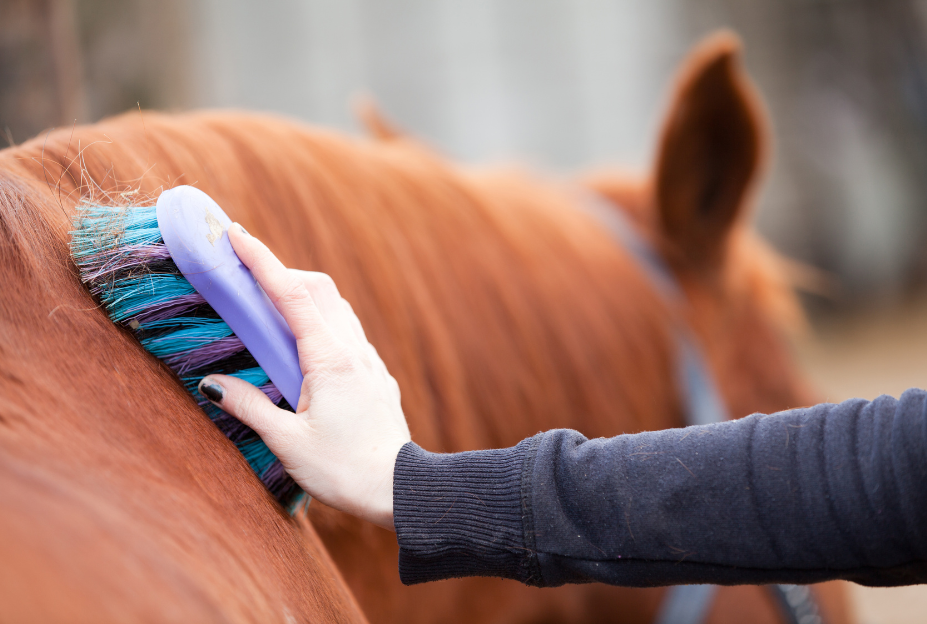
Keeping your horse healthy and comfortable starts with a solid grooming routine. Whether you’re preparing for a show, heading out for a ride, or simply caring for your equine companion, understanding horse grooming techniques is key to maintaining their well-being. A consistent grooming regimen not only keeps your horse’s coat shiny and skin healthy but also strengthens the bond between you and your horse. In this guide, we’ll break down the most important steps, tools, and tips for effective grooming, so you can approach each session with confidence and skill.
For those interested in safety gear, learning how to find the right riding helmet for your head shape can further enhance your overall horse care routine.
Why Regular Grooming Matters
Grooming is about more than just appearance. A thorough routine helps you spot injuries, skin conditions, or parasites early, preventing minor issues from becoming serious. It also stimulates blood circulation, distributes natural oils, and provides an opportunity to check for signs of discomfort. Regular sessions help horses relax and trust their handlers, making future care and handling easier.
Essential Tools for Horse Care
Before diving into specific horse grooming techniques, it’s important to have the right tools on hand. Here’s a basic list:
- Curry comb: Loosens dirt, mud, and loose hair.
- Dandy brush: Removes heavier dirt and debris.
- Body brush: Soft bristles for dust and finishing touches.
- Mane and tail comb: Detangles hair gently.
- Hoof pick: Cleans out hooves to prevent infection.
- Sponge or soft cloth: For sensitive areas like the face and dock.
Investing in a quality grooming kit ensures you have everything needed for a comprehensive routine. After all, the right tools make the process more efficient and comfortable for both you and your horse.
Step-by-Step Horse Grooming Techniques
Let’s break down the most effective methods for keeping your horse clean and healthy. Each step serves a specific purpose and should be performed in a consistent order for best results.

1. Currying
Start with a rubber curry comb, using gentle, circular motions across the horse’s body. This loosens dirt, mud, and dead hair while stimulating the skin. Avoid bony areas like the face and legs, as these are more sensitive.
2. Brushing Off Dirt
Next, use a stiff dandy brush to flick away the loosened dirt and debris. Brush in short, brisk strokes, working in the direction of the hair. This step is especially important for removing mud and dried sweat from the coat.
3. Smoothing the Coat
Follow up with a soft body brush to remove fine dust and add shine. This brush can be used on the face and legs, as its soft bristles are gentle enough for sensitive areas. Regular use helps distribute the horse’s natural oils, giving the coat a healthy sheen.
4. Mane and Tail Care
Use a wide-toothed comb or your fingers to gently detangle the mane and tail. Start at the bottom and work your way up to avoid pulling out too much hair. Applying a detangler spray can help reduce breakage and make brushing easier.
5. Cleaning the Hooves
Pick up each hoof and use a hoof pick to remove dirt, stones, and manure. Pay special attention to the grooves on either side of the frog, as debris here can cause discomfort or infection. Regular hoof cleaning is essential for preventing thrush and other hoof problems.
6. Wiping Sensitive Areas
Finish by wiping the horse’s face, dock, and other sensitive spots with a damp sponge or soft cloth. This removes sweat, dust, and any remaining dirt. Be gentle and reassuring, as these areas can be ticklish or sensitive.
Tips for a Positive Grooming Experience
Making grooming enjoyable for your horse is just as important as the techniques themselves. Here are a few tips to keep sessions stress-free:
- Always approach calmly and speak softly to your horse.
- Use slow, deliberate movements to avoid startling them.
- Reward good behavior with gentle pats or treats.
- Be patient, especially with young or nervous horses.
- Check for any cuts, swelling, or signs of discomfort as you groom.
Over time, your horse will come to associate grooming with positive attention and care, making each session easier and more enjoyable for both of you.

Advanced Grooming for Show Preparation
When preparing for a competition, grooming goes beyond the basics. Show grooming involves extra steps to ensure your horse looks its absolute best. This may include bathing, clipping, and using finishing sprays for extra shine. Pay close attention to the mane and tail, often braiding or banding them for a polished appearance. Hooves can be polished with oil or conditioner for a glossy finish.
For more detailed advice on preparing your horse for events, check out these horse show grooming tips from experienced professionals.
Common Mistakes to Avoid
Even seasoned equestrians can make errors in their grooming routines. Here are some pitfalls to watch out for:
- Using dirty brushes, which can spread bacteria and irritate the skin.
- Neglecting the hooves, leading to preventable hoof problems.
- Brushing too harshly, especially on sensitive areas.
- Skipping regular checks for cuts, ticks, or skin conditions.
- Overusing detanglers or sprays, which can build up and attract dirt.
By staying mindful of these issues, you can ensure your horse stays comfortable and healthy year-round.
Integrating Grooming into Your Daily Routine
Consistency is key to effective horse care. Try to set aside time for a quick grooming session each day, with more thorough cleanings a few times a week. This not only keeps your horse looking and feeling great but also helps you catch health issues early. Incorporating grooming into your daily schedule makes it a natural part of your relationship with your horse.
Frequently Asked Questions
How often should I groom my horse?
Ideally, horses should be groomed daily, especially if they are in regular work or turned out in muddy conditions. Even a quick daily brush helps maintain coat health and allows you to check for injuries or irritations.
What should I do if my horse doesn’t like being groomed?
If your horse is sensitive or nervous, start with short sessions and use gentle tools. Focus on building trust, reward calm behavior, and gradually increase the duration as your horse becomes more comfortable.
Are there differences in grooming for different seasons?
Yes. In winter, horses may have thicker coats and more mud to contend with, so currying and brushing are especially important. In summer, regular grooming helps remove sweat and loose hair. Adjust your routine based on your horse’s needs and the environment.