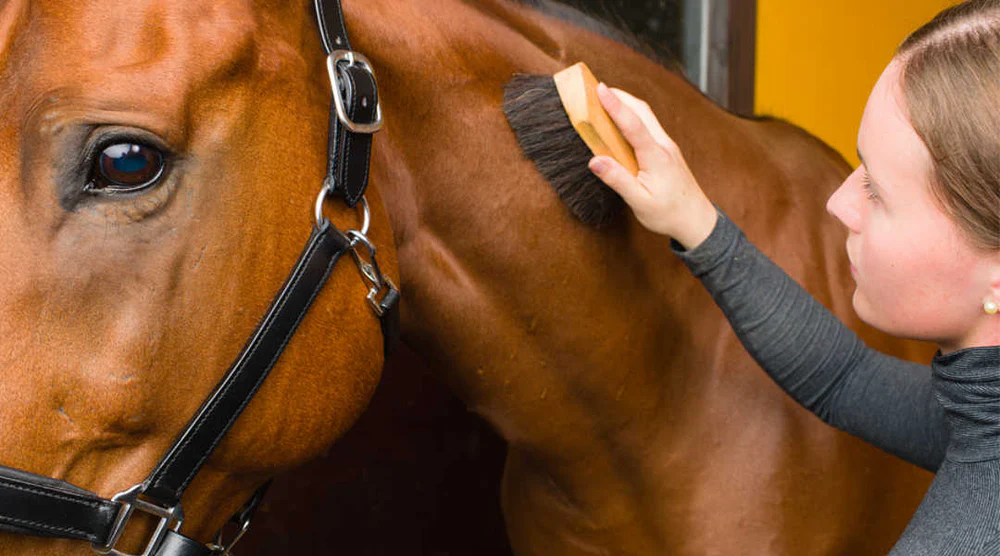
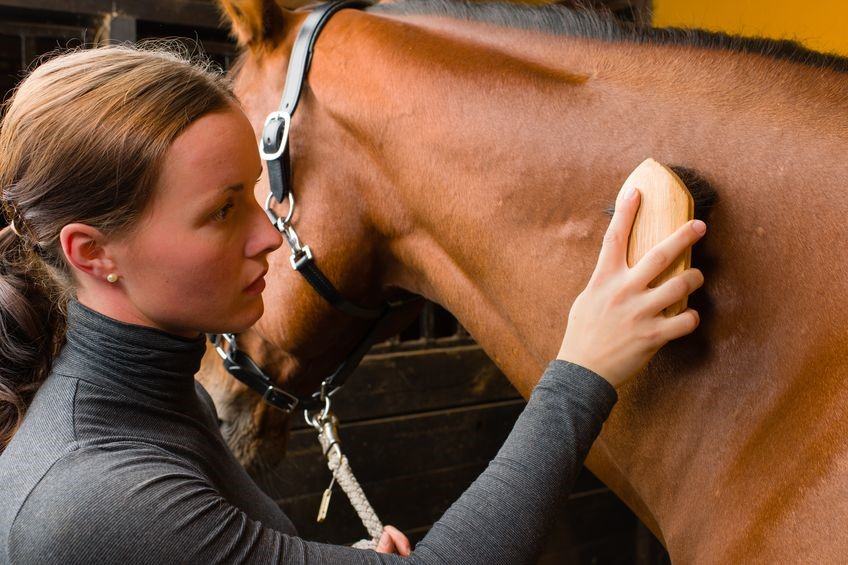
Keeping horses calm and comfortable during grooming is essential for their well-being and for building a trusting relationship between horse and handler. Many horses experience anxiety or restlessness when being groomed, which can make the process challenging for both parties. By applying effective horse grooming stress reduction methods, you can transform grooming sessions into positive, relaxing experiences that benefit your horse’s physical and mental health.
This article explores proven strategies for minimizing stress during grooming, practical tips for handlers, and expert advice on creating a soothing environment. You’ll also find guidance on choosing the right tools, understanding your horse’s body language, and integrating stress-relief techniques into your regular grooming routine. For those interested in specialized topics, you can learn more about horse grooming tail trimming guide for a neat finish.
Why Horses Experience Stress During Grooming
Horses are naturally sensitive animals. Their heightened awareness helps them stay safe in the wild, but it can also make them prone to stress in unfamiliar or uncomfortable situations. Grooming, while beneficial, can trigger anxiety for several reasons:
- Previous negative experiences or rough handling
- Sudden movements or loud noises in the grooming area
- Discomfort from inappropriate tools or techniques
- Physical pain, skin sensitivity, or underlying health issues
- Lack of trust or insufficient desensitization to touch
Recognizing these triggers is the first step toward implementing stress reduction methods that make grooming enjoyable for your horse.
Preparing for a Calm Grooming Session
Setting the stage for a relaxed grooming experience starts before you even pick up a brush. Consider these foundational steps:
- Choose a quiet, familiar location: Minimize distractions and sudden noises.
- Establish a routine: Horses thrive on consistency. Try to groom at the same time and place each day.
- Check your tools: Use soft brushes and well-maintained equipment to avoid discomfort.
- Observe your horse’s mood: Approach calmly and allow your horse to see and sniff the tools before starting.
For more tips on preparing your horse for grooming, the horse grooming before clipping prep guide offers additional insights.
Reading Equine Body Language for Signs of Stress
Understanding your horse’s signals is crucial for effective horse grooming stress reduction. Watch for these common signs of anxiety or discomfort:
- Swishing tail, pinned ears, or shifting weight
- Flared nostrils, wide eyes, or tense muscles
- Moving away from touch or fidgeting
- Vocalizations such as snorting or nickering
If you notice these behaviors, pause and give your horse a moment to relax. Adjust your approach as needed to keep the session positive.

Effective Techniques for Reducing Grooming Anxiety
There are several practical ways to help your horse feel more at ease during grooming. Here are some proven strategies:
Start with Gentle Touch and Slow Movements
Begin by softly placing your hand on your horse’s neck or shoulder. Use slow, deliberate strokes to reassure your horse. Gradually introduce brushes or combs, always watching for signs of tension.
Incorporate Positive Reinforcement
Reward calm behavior with treats, soothing words, or gentle scratches in favorite spots. Positive reinforcement helps your horse associate grooming with pleasant experiences.
Break Sessions into Manageable Steps
If your horse is particularly anxious, keep grooming sessions short and focused. Gradually increase the duration as your horse becomes more comfortable. Allow breaks if needed, and always end on a positive note.
Use Calming Aids When Appropriate
Some horses benefit from calming sprays, essential oils, or natural supplements. Always consult your veterinarian before introducing new products. Playing soft music or using a quiet voice can also help soothe nervous horses.
Choosing the Right Tools for Stress-Free Grooming
The tools you use can make a significant difference in your horse’s comfort. Opt for soft-bristled brushes, gentle curry combs, and grooming mitts designed for sensitive skin. Avoid harsh or worn-out equipment that can cause irritation.
For a comprehensive overview of grooming tools and techniques, check out this step-by-step guide to equine grooming.

Integrating Stress Reduction into Your Grooming Routine
Consistency is key to building trust and reducing anxiety. Incorporate relaxation techniques into every grooming session:
- Speak softly and maintain a calm demeanor
- Move methodically and avoid sudden gestures
- Allow your horse to anticipate each step
- End each session with a reward or favorite activity
For guidance on how often to groom and maintain a routine, the horse grooming frequency guide provides helpful recommendations.
When to Seek Professional Help
Some horses may have deep-seated fears or behavioral issues that require professional intervention. If your horse shows persistent signs of distress despite your best efforts, consult a qualified trainer or equine behaviorist. They can help identify underlying causes and develop a tailored plan for stress reduction.
Frequently Asked Questions
What are the most common causes of stress during horse grooming?
Common causes include previous negative experiences, sensitive skin, unfamiliar environments, and improper grooming techniques. Identifying and addressing these factors can help make grooming more comfortable for your horse.
How can I tell if my horse is stressed while being groomed?
Signs of stress include pinned ears, tail swishing, tense muscles, moving away from touch, and increased vocalizations. Observing your horse’s body language is essential for recognizing discomfort early.
Are there specific grooming tools that help reduce anxiety?
Yes, using soft-bristled brushes, gentle curry combs, and grooming mitts designed for sensitive horses can minimize irritation and help your horse relax during grooming sessions.
How long should a stress-reducing grooming session last?
Start with short sessions, especially if your horse is anxious. Gradually increase the time as your horse becomes more comfortable. For more details, see how long does horse grooming take.
Can grooming help strengthen the bond between horse and handler?
Absolutely. Gentle, consistent grooming sessions that prioritize your horse’s comfort can build trust and deepen your relationship over time.