Learning how to care for a horse’s coat, mane, tail, and hooves is an essential part of responsible horse ownership. For those new to equine care, understanding the horse grooming step by step for beginners process ensures your horse stays healthy, comfortable, and looking its best. Grooming is not only about appearance—it’s a daily health check, a way to build trust, and a vital routine for any horse and handler.
This guide provides a clear, practical walkthrough of each stage, from gathering supplies to finishing touches. If you’re interested in using natural products or want to help children learn safe grooming, you may also find the horse grooming natural products and horse grooming for children safety guides helpful.
Essential Grooming Tools for New Horse Owners
Before starting, gather the necessary equipment. A basic grooming kit should include:
- Curry comb – loosens dirt and stimulates the skin
- Dandy brush – removes heavier dirt and dried mud
- Body brush – smooths the coat and removes finer dust
- Mane and tail comb or brush – detangles hair
- Hoof pick – cleans out hooves
- Sponge or soft cloth – for sensitive areas
- Shedding blade (seasonal) – helps remove loose hair
Having a dedicated box or bag for your grooming supplies keeps everything organized and easy to access. For those ready to get started, consider a complete kit such as the Weaver Leather Equine Grooming Kit.
Preparing Your Horse for Grooming
Safety and comfort are priorities. Always tie your horse securely using a quick-release knot or cross-ties in a safe, quiet area. Approach calmly and speak softly to reassure the horse. Check for injuries or sensitive spots before you begin.
Step-by-Step Horse Grooming Routine for Beginners
Following a consistent order helps ensure you don’t miss any areas and keeps the process efficient. Here’s a detailed breakdown of each stage:
1. Curry Combing: Loosen Dirt and Stimulate Skin
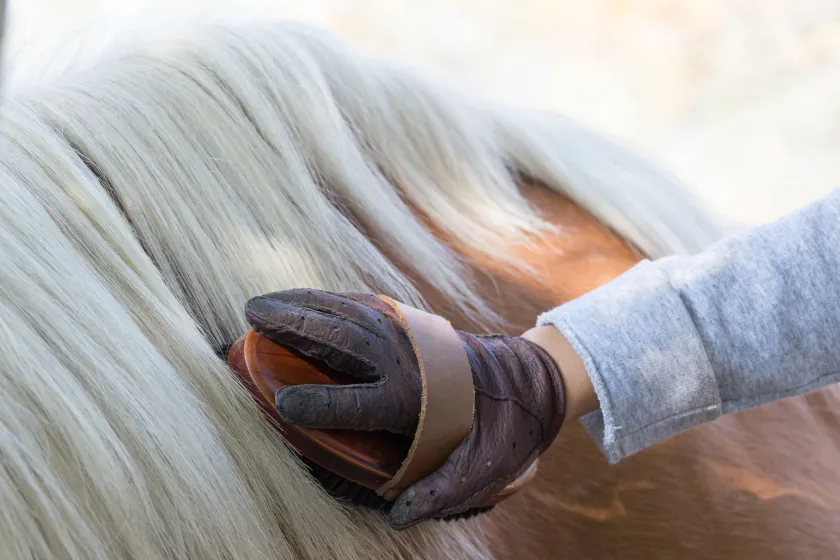
Use a rubber curry comb in gentle, circular motions over the horse’s body (avoid the face and legs). This lifts dirt, loose hair, and stimulates natural oils. Be gentle over bony areas and watch for signs of discomfort.

2. Dandy Brush: Remove Mud and Heavy Debris
With a stiff-bristled dandy brush, flick away the dirt and hair brought up by the curry comb. Use short, brisk strokes in the direction of hair growth. Avoid using this brush on sensitive areas like the face and lower legs.
3. Body Brush: Smooth and Shine
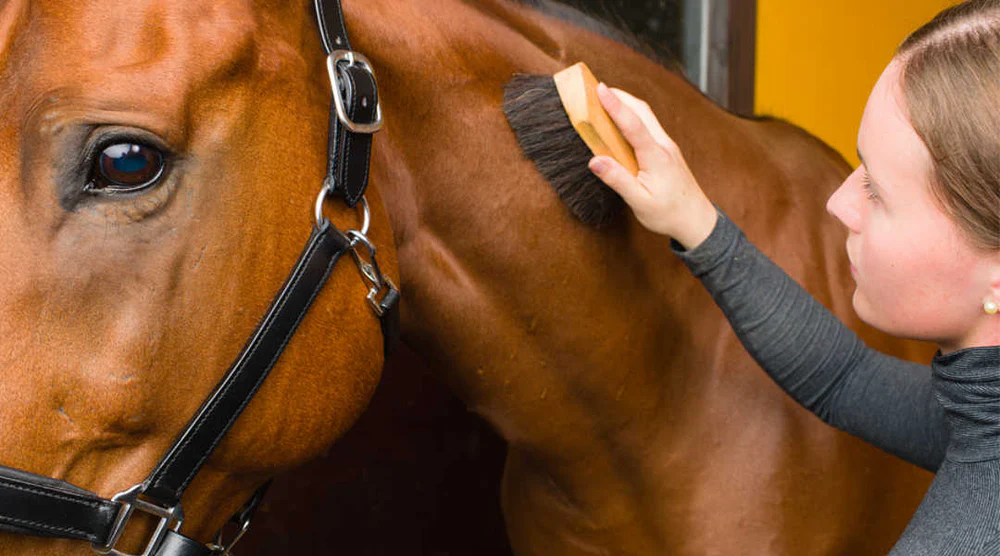
The body brush has softer bristles and is suitable for most parts of the horse, including the legs. Brush in long, even strokes to remove fine dust and add shine to the coat. This is also a good time to check for cuts, swelling, or skin issues.
4. Mane and Tail Care: Detangle and Clean
Start at the bottom of the mane or tail and work upward, gently detangling with your fingers or a wide-toothed comb. Use a detangler spray if needed to prevent breakage. Always stand to the side of the horse when working on the tail for safety.

5. Cleaning the Hooves: Daily Hoof Care
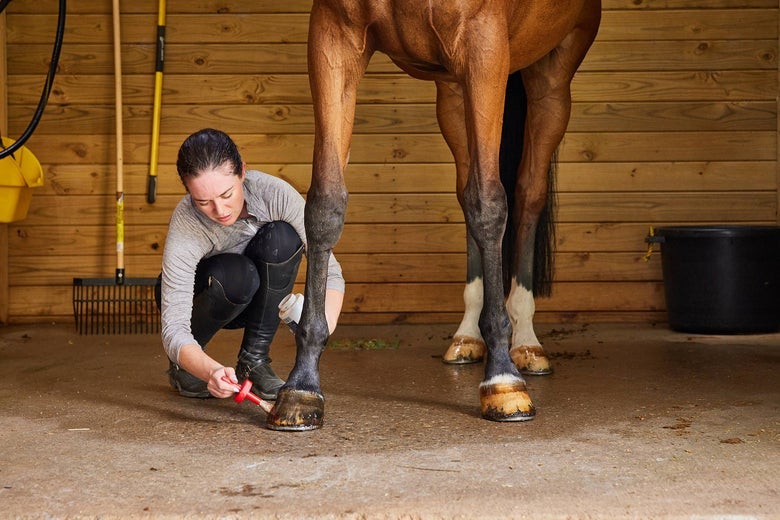
Pick up each hoof and use a hoof pick to remove dirt, stones, and manure. Always work from heel to toe, being careful around the sensitive frog area. Inspect for signs of thrush, cracks, or injuries. Regular hoof cleaning is vital for your horse’s health and comfort.
6. Finishing Touches: Sponge and Inspection
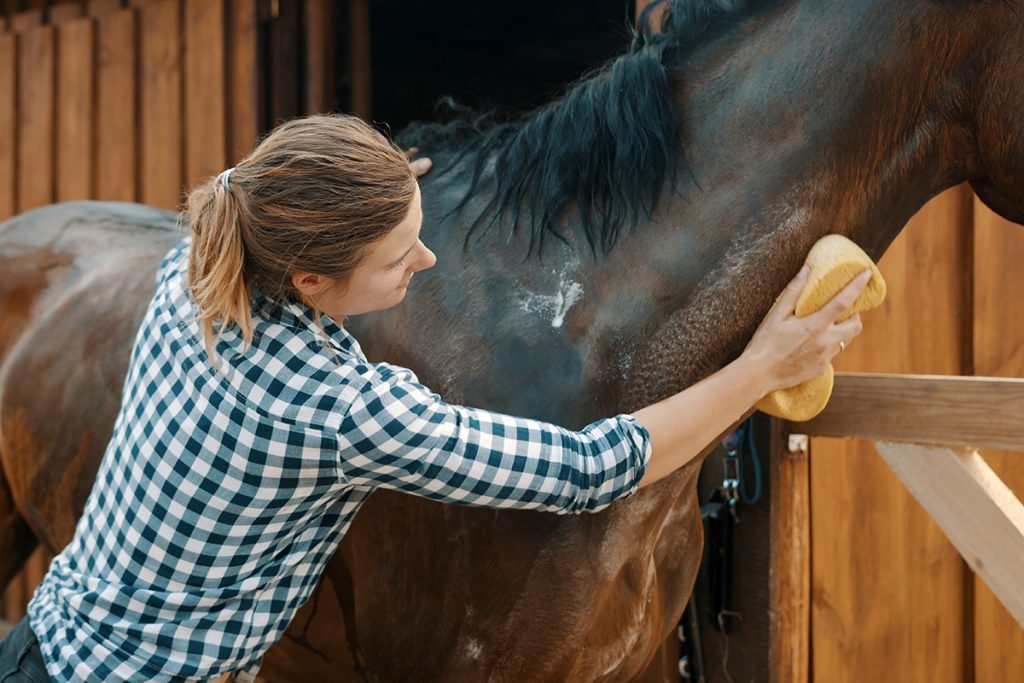
Use a damp sponge or soft cloth to gently wipe the horse’s face, eyes, nostrils, and dock area. This helps remove dust and keeps sensitive areas clean. Take a final look over your horse for any issues that may need attention.
Building Trust Through Routine Grooming
Consistent grooming not only keeps your horse clean but also strengthens the bond between you and your animal. Horses learn to relax and trust their handlers through regular, gentle care. For tips on using grooming as a way to improve handling, see the horse grooming trust building resource.
Common Mistakes to Avoid for Beginners
- Rushing the process—take your time to ensure thorough cleaning and inspection.
- Using the wrong brush on sensitive areas—always use softer brushes for the face and legs.
- Neglecting the hooves—daily cleaning prevents many hoof problems.
- Forgetting to check for injuries or skin issues during grooming.
- Not cleaning your tools after use—dirty brushes can spread bacteria and cause skin irritation.
Additional Resources for Learning
For more in-depth advice and advanced techniques, you can explore guides such as horse grooming behavior training and horse grooming for horse shows. If you want to expand your knowledge further, the Canadian Paso Fino Society’s horse grooming resource offers detailed explanations and tips for all experience levels.
Frequently Asked Questions
How often should I groom my horse?
Ideally, horses should be groomed daily. Regular grooming keeps the coat healthy, helps spot injuries early, and strengthens the bond between horse and handler. Even if you don’t ride every day, a quick brush and hoof check are beneficial.
What if my horse doesn’t like being groomed?
Some horses are sensitive or nervous about grooming. Start slowly, use gentle strokes, and reward calm behavior. If issues persist, consult resources on horse grooming behavior training for strategies to help your horse become more comfortable.
Can I use human grooming products on my horse?
It’s best to use products specifically designed for horses, as their skin has different needs. Human shampoos or brushes may cause irritation. For those interested in natural alternatives, see the horse grooming natural products guide for safe options.