

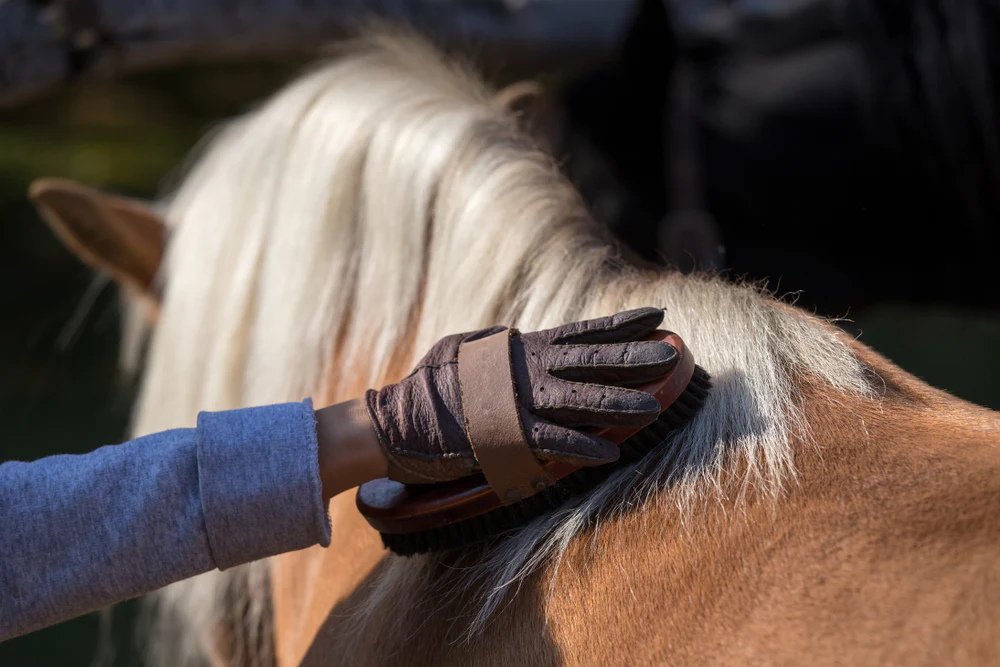
As temperatures drop and days grow shorter, horse grooming in winter becomes an essential part of equine care. Cold weather brings unique challenges, from managing thick winter coats to preventing skin issues caused by dampness and mud. Proper grooming not only keeps your horse looking its best but also supports overall health and comfort during the harshest months.
This article covers practical strategies for maintaining your horse’s coat, skin, and hooves throughout the winter season. Whether you’re a seasoned equestrian or new to cold-weather care, you’ll find tips to streamline your routine and keep your horse happy and healthy. For a step-by-step approach to daily care, you might also find value in this daily horse grooming routine guide.
Why Cold Weather Grooming Matters
Winter conditions can be tough on horses. Mud, snow, and ice can lead to skin irritations, while thick coats may hide developing problems. Regular grooming during the colder months helps you spot issues early, prevents matting, and supports circulation. It also provides valuable bonding time and helps your horse stay comfortable, especially if they’re blanketed or clipped.
Essential Tools for Winter Horse Care
Having the right equipment makes horse grooming in winter more effective and comfortable for both you and your horse. Here are some must-have tools for the season:
- Curry comb: Loosens dirt and stimulates the skin, even through thick coats.
- Dandy brush: Removes surface mud and debris.
- Body brush: Smooths the coat and distributes natural oils.
- Hoof pick: Essential for clearing snow, ice, and mud from hooves.
- Soft cloth or grooming mitt: Useful for sensitive areas and final touches.
- Shedding blade or rake: Helps manage heavy coats, especially during seasonal changes.
For a comprehensive overview of grooming essentials, check out these horse grooming basics.
Step-by-Step Winter Grooming Routine
Adapting your grooming routine for winter is key to keeping your horse healthy. Here’s a practical approach:
- Start with the hooves: Pick out all four hooves, removing packed snow, ice, and mud. Check for cracks or signs of thrush, which can be more common in wet conditions.
- Use a curry comb: Gently work through the coat to loosen dirt and stimulate circulation. Be mindful of sensitive areas, especially if your horse is clipped or has thin skin.
- Brush away debris: Follow with a dandy brush to remove loosened mud and hair. Use a body brush for a smoother finish and to help distribute oils.
- Check for skin issues: Look for signs of rain rot, mud fever, or dry patches. Early detection is crucial for effective treatment.
- Clean the face and legs: Use a soft cloth or grooming mitt for sensitive spots. Avoid getting your horse too wet, as drying can be difficult in cold weather.
- Finish with mane and tail: Gently detangle using your fingers or a wide-tooth comb. Avoid over-brushing, which can lead to breakage.
Managing Thick Coats and Blankets
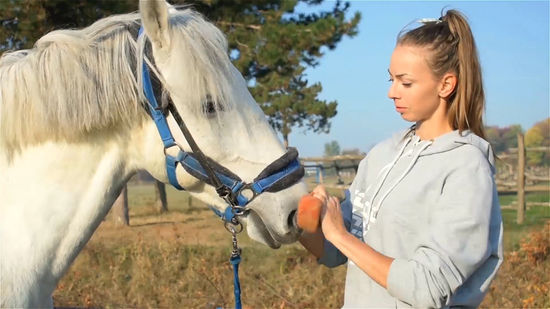
Horses naturally grow thicker coats in winter, providing insulation against the cold. However, these dense coats can trap dirt and moisture, making regular grooming even more important. If your horse wears a blanket, remove it daily to check for rubs, sores, or trapped sweat. Groom thoroughly before re-blanketing to prevent skin problems.
For horses in work, consider a partial or full clip to manage sweating. Clipped horses require extra care, including more frequent grooming and appropriate blanketing to maintain warmth.
Preventing and Treating Common Winter Skin Issues
Moisture and mud can lead to a range of skin conditions during the colder months. Here are some common problems and how to address them:
- Mud fever (pastern dermatitis): Caused by wet, muddy conditions. Keep legs clean and dry, and apply barrier creams if needed.
- Rain rot: Bacterial infection from prolonged dampness. Remove scabs gently and consult your vet for treatment options.
- Dry skin and dandruff: Use gentle grooming to stimulate oil production. Avoid over-bathing, which can strip natural oils.
For more detailed, step-by-step advice on winter grooming, you can refer to this horse grooming step by step resource.
Tips for Safe and Efficient Winter Grooming Sessions
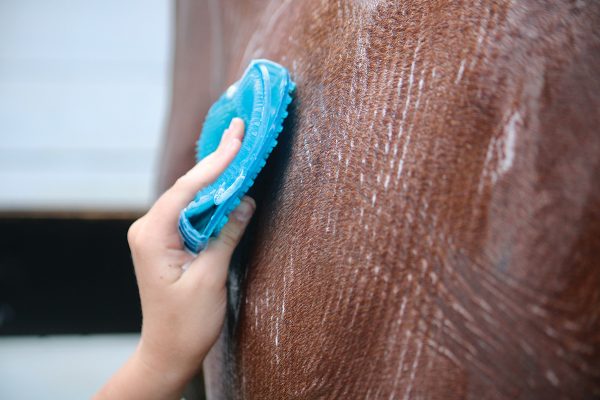
Cold weather can make grooming less comfortable for both you and your horse. Here are some tips to make the process smoother:
- Choose a sheltered area: Groom indoors or in a wind-protected spot to keep your horse warm.
- Warm your tools: Store brushes and cloths in a heated tack room if possible, or warm them in your hands before use.
- Keep sessions short: Focus on key areas if your horse is cold or restless, and avoid overexposing clipped horses.
- Check water sources: Ensure your horse has access to unfrozen, clean water after grooming.
For additional grooming techniques and advice, the Canadian Paso Fino Society’s horse grooming guide offers valuable insights.
Maintaining Hoof Health in Cold Months
Hoof care is especially important during winter. Snow and mud can pack into hooves, increasing the risk of bruising, thrush, and slipping. Pick out hooves daily, and check for signs of damage or infection. Consider using hoof conditioners if the environment is particularly dry, and consult your farrier about traction options if your horse is regularly turned out on icy ground.
Frequently Asked Questions
How often should I groom my horse during winter?
Aim for daily grooming, or at least several times a week. Regular sessions help prevent matting, detect skin issues early, and maintain healthy circulation, even when your horse isn’t in regular work.
Is it safe to bathe my horse in cold weather?
Full baths are generally not recommended during winter, as it’s difficult to dry your horse thoroughly and quickly. Instead, use spot cleaning with a damp cloth or waterless shampoo for dirty areas, and ensure your horse is completely dry before turning them out.
What should I do if my horse develops mud fever or rain rot?
Clean and dry the affected area gently, remove scabs only if they come away easily, and consult your veterinarian for appropriate treatment. Keeping your horse’s legs clean and dry is the best prevention.
Do I need to change my grooming routine if my horse is clipped?
Yes, clipped horses require more frequent grooming and careful blanketing. Pay extra attention to skin health and warmth, as they lose their natural insulation.
By adapting your approach to horse grooming in winter, you’ll help your horse stay healthy, comfortable, and ready for spring. Consistency, attention to detail, and the right tools make all the difference in cold-weather care.