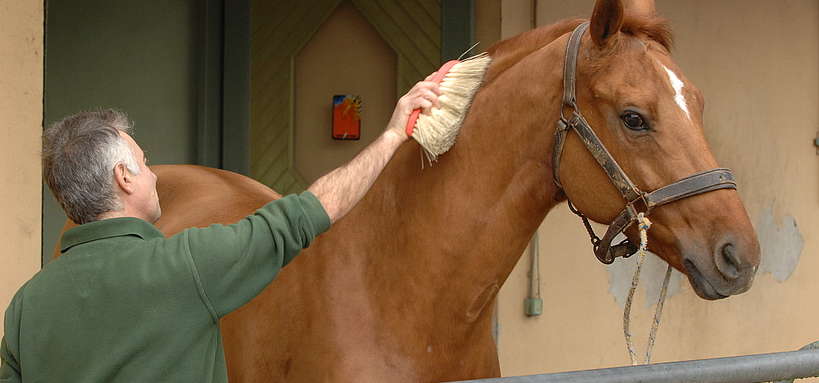
Keeping your horse healthy and comfortable goes beyond feeding and exercise—regular grooming is a cornerstone of good equine care. Understanding how often to groom, what factors influence grooming schedules, and the benefits of a consistent routine can help owners maintain both the appearance and well-being of their horses. This horse grooming frequency guide offers practical advice for owners looking to establish or refine their grooming habits.
Whether you’re new to horse care or looking to optimize your current practices, knowing the right frequency for grooming is essential. Not only does it keep your horse’s coat clean and shiny, but it also helps detect health issues early and strengthens the bond between horse and handler. For those interested in preparing their horse for specific tasks, such as clipping, you may find the horse grooming before clipping article helpful as well.
Why Regular Grooming Matters
Consistent grooming is about more than just keeping your horse looking good. It plays a vital role in maintaining skin health, promoting circulation, and preventing common issues like matting, fungal infections, and parasites. Grooming also provides an opportunity to check for injuries, swelling, or signs of discomfort that might otherwise go unnoticed.
In addition, the time spent grooming helps build trust and communication between horse and owner. Horses often enjoy the attention and physical contact, which can reduce stress and improve their overall demeanor.
How Often Should You Groom Your Horse?
The ideal grooming schedule depends on several factors, including your horse’s living environment, activity level, coat type, and the season. Here’s a breakdown to help you determine the best routine for your situation:
- Daily Grooming: Horses that are ridden or exercised regularly benefit from daily grooming. This removes sweat, dirt, and debris, and helps prevent saddle sores and skin irritation.
- Weekly Grooming: If your horse is turned out and not in work, a thorough grooming session at least once or twice a week is recommended. This keeps the coat healthy and allows for regular health checks.
- Seasonal Adjustments: During shedding seasons (spring and fall), more frequent grooming may be necessary to help remove loose hair and prevent matting. In winter, grooming can be less frequent, but it’s still important to check for mud, rain rot, or other skin issues.
For a detailed breakdown of what a typical session should include, you can reference the horse grooming routine checklist.
Factors That Influence Grooming Schedules
Every horse is different, and several variables can affect how often grooming is needed. Consider the following when planning your routine:
- Living Conditions: Horses kept in stalls may need more frequent grooming to remove dust and bedding, while those in pasture might accumulate more mud and debris.
- Coat Length and Type: Horses with thick or long coats, especially during winter, may require extra attention to prevent tangles and skin problems.
- Workload: Active horses or those in training need regular grooming to keep their skin healthy and to spot any developing issues from tack or sweat.
- Health Status: Horses with skin conditions or sensitivities may need specialized grooming routines and products.

Essential Tools for Effective Grooming
Having the right equipment makes a big difference in maintaining your horse’s coat and skin. A basic grooming kit should include:
- Curry comb for loosening dirt and hair
- Dandy brush for removing debris
- Body brush for smoothing the coat
- Mane and tail comb
- Hoof pick for cleaning hooves
- Soft cloth or sponge for finishing touches
Investing in quality tools can make grooming more efficient and comfortable for both you and your horse. For a step-by-step overview of grooming techniques, consider this comprehensive guide to horse grooming.
Common Mistakes and How to Avoid Them
Even experienced owners can fall into habits that undermine the benefits of grooming. Some frequent errors include:
- Skipping regular sessions, leading to missed health issues
- Using dirty or worn-out brushes that can irritate the skin
- Neglecting sensitive areas like under the belly or between the legs
- Forgetting to check and clean hooves
For more on this topic, see common horse grooming errors and how to fix them.

Tips for Maintaining a Consistent Grooming Routine
Establishing a regular schedule is key to reaping the full benefits of grooming. Here are some tips to help you stay on track:
- Set reminders or add grooming to your daily barn routine
- Keep your grooming kit organized and easily accessible
- Involve other handlers or family members to share the responsibility
- Adjust frequency based on changes in weather, activity, or health
- Use a checklist, like the one found in the horse grooming dos and donts guide, to ensure nothing is overlooked
Frequently Asked Questions
How long does a typical grooming session take?
The duration varies depending on your horse’s needs and the thoroughness of the session. On average, a daily grooming routine takes about 15–30 minutes. For more details, see how long does horse grooming take.
Is it possible to groom a horse too often?
While regular grooming is beneficial, over-grooming—especially with harsh brushes or excessive washing—can strip natural oils from the coat and irritate the skin. It’s best to tailor your routine to your horse’s activity level and coat condition.
What should I do if my horse dislikes being groomed?
Some horses are sensitive or have had negative experiences with grooming. Start with gentle strokes, use soft brushes, and reward calm behavior. Gradually increase the length and thoroughness of sessions as your horse becomes more comfortable.
Conclusion
A thoughtful approach to grooming supports your horse’s health, comfort, and appearance. By following the guidance in this horse grooming frequency guide, you can develop a routine that fits your horse’s unique needs. Remember, consistency is key—regular sessions not only keep your horse looking its best but also provide valuable opportunities for bonding and early detection of health issues.