
Flies are more than just a nuisance for horses—they can cause irritation, spread disease, and make daily life uncomfortable for both horse and handler. Managing these pests requires a combination of environmental management, topical solutions, and, most importantly, a thoughtful grooming routine. By focusing on horse grooming for fly control, you can significantly reduce the fly burden on your horse and promote overall health and comfort.
This article explores practical grooming methods, product recommendations, and daily habits that help keep flies at bay. If you’re interested in adapting your routine for specific seasons, you may also want to read about horse grooming in spring for additional tips.
Why Flies Are a Problem for Horses
Flies are attracted to horses for several reasons: sweat, manure, moisture, and even the natural oils on their coats. These pests can cause skin irritation, transmit diseases like equine infectious anemia, and lead to secondary infections from persistent scratching or biting. In some cases, horses may develop allergic reactions or behavioral issues due to constant fly harassment.
Tackling flies effectively means addressing both environmental factors and the horse’s hygiene. Regular, thorough grooming is a cornerstone of any fly management plan.
Daily Grooming Habits That Deter Flies
Consistency is key when it comes to grooming for pest prevention. Here are some essential habits to adopt:
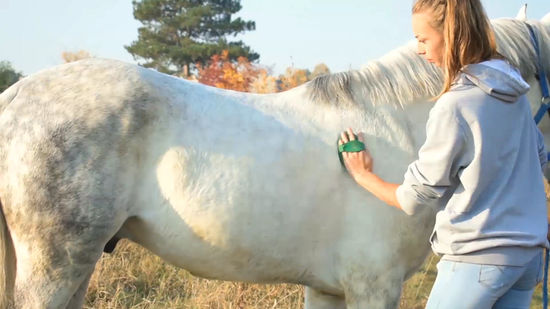
- Remove dirt and sweat: Flies are drawn to sweat and grime. Use a curry comb and stiff brush daily to lift dirt and distribute natural oils, making the coat less attractive to pests.
- Clean sensitive areas: Pay special attention to the face, ears, underbelly, and legs. These spots are fly favorites and often overlooked during quick grooming sessions.
- Check for wounds: Open cuts or scrapes can attract flies and become infected. Clean and treat any injuries promptly.
- Maintain the mane and tail: Detangle and clean these areas to prevent fly eggs from sticking and to allow your horse to swish flies away more effectively.
Choosing the Right Tools for Fly Prevention
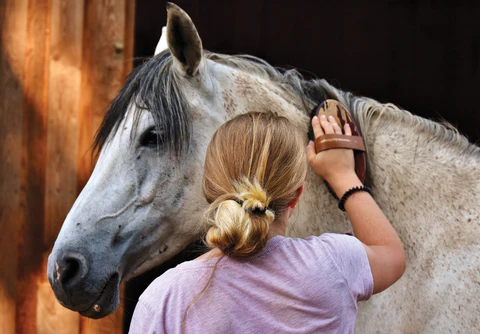
The right grooming tools can make a significant difference in your fly management routine. Consider these essentials for effective horse grooming for fly control:
- Curry comb: Loosens dirt and stimulates the skin, making it harder for flies to find a place to land.
- Body brush: Removes fine dust and distributes oils, leaving a sleek, less attractive surface for flies.
- Fly sprays and wipes: After grooming, apply a safe, equine-approved fly repellent to exposed areas. Always follow label instructions.
- Sponges and cloths: Use these to clean sensitive spots, such as around the eyes and muzzle. For more on this, see our guide on horse grooming eye cleaning.
- Mane and tail comb: Prevents tangles and helps remove debris where flies may lay eggs.
Investing in a quality grooming kit streamlines your routine and ensures you have the right tools for every job.
Bathing and Coat Care for Fewer Flies
Regular baths can help reduce the presence of sweat, dirt, and natural oils that attract flies. During warmer months, rinse your horse after exercise to remove sweat and apply a gentle, horse-safe shampoo as needed. Be sure to dry your horse thoroughly, as damp coats can also attract insects.
After bathing, consider using a conditioner or grooming spray that contains fly-repellent ingredients. These products can provide an extra layer of protection and keep the coat smooth and less hospitable to pests.
Managing the Environment Alongside Grooming
While personal hygiene is crucial, environmental management is equally important for keeping flies away. Remove manure from stalls and paddocks daily, keep water sources clean, and use fly traps or predator insects as needed. Consider using fly sheets or masks for horses that are particularly sensitive.
For more seasonal advice, check out our resources on horse grooming in hot weather and winter horse grooming tips.
Additional Tips for Effective Fly Control Through Grooming
- Groom at consistent times: Flies are most active during dawn and dusk. Grooming during these periods can help remove sweat and dirt before flies become a problem.
- Rotate fly repellents: Flies can develop resistance to certain chemicals. Alternate between products for best results.
- Monitor your horse’s skin: Look for signs of irritation or allergic reactions to grooming products or repellents.
- Educate yourself: For a deeper dive into best practices, visit grooming basics for equine caregivers for expert advice.
FAQs on Grooming and Fly Management
How often should I groom my horse to minimize flies?
Daily grooming is recommended during fly season. Regular attention removes sweat, dirt, and debris that attract pests, and allows you to apply fly repellents effectively.
Are there natural alternatives to chemical fly sprays?
Yes, some horse owners use essential oil blends (like citronella or eucalyptus) or apple cider vinegar rinses. Always patch-test first and consult your veterinarian before using any new product.
What should I do if my horse has a skin reaction to a grooming product?
Discontinue use immediately and rinse the affected area with clean water. Monitor for improvement, and consult your vet if irritation persists or worsens.
Can grooming alone keep flies away?
While thorough grooming is a powerful tool for reducing flies, it is most effective when combined with environmental management and the use of fly repellents or protective gear.
Conclusion
A proactive approach to horse grooming for fly control can make a noticeable difference in your horse’s comfort and health. By combining daily cleaning routines, the right tools, and smart environmental practices, you can help your horse enjoy a more peaceful, pest-free environment year-round.
For more specialized advice, explore our guide on horse grooming after competition to learn about recovery care after strenuous activity.