Introducing children to horse care can be a rewarding experience, but it also requires careful attention to safety. Teaching young people how to groom horses not only helps them bond with these gentle animals, but also instills responsibility and respect for animal welfare. However, ensuring a safe environment is essential. This guide covers practical steps, essential precautions, and expert tips for making horse grooming safe and enjoyable for children.
For families and instructors looking to deepen their understanding of equine behavior and safe handling, exploring resources such as the horse grooming behavior training guide can provide valuable insights alongside the safety-focused advice found here.
Why Safety Matters When Children Groom Horses
Horses are large, powerful animals, and even the calmest pony can react unpredictably to sudden movements or unfamiliar touch. When children are involved in grooming, prioritizing horse grooming for children safety is crucial to prevent accidents and build confidence. Proper supervision, clear instructions, and a structured environment help minimize risks and ensure positive experiences for both the child and the horse.
Preparing for a Safe Grooming Session
Before any grooming begins, preparation is key. Start by choosing a horse or pony known for its gentle temperament and familiarity with children. Ensure the grooming area is quiet, free from distractions, and has non-slip footing. Children should wear sturdy, closed-toe shoes, long pants, and gloves to protect their hands.
- Supervision: An experienced adult should always be present to guide and intervene if necessary.
- Equipment: Use child-sized grooming tools with soft bristles and rounded edges to reduce the risk of injury.
- Horse Handling: The horse should be securely tied using a quick-release knot or held by an adult with a lead rope.
Essential Steps for Child-Friendly Horse Grooming
Teaching children the correct way to groom a horse not only keeps them safe, but also helps the animal remain calm and cooperative. Here are the main steps to follow:
- Approach with Care: Instruct children to approach the horse calmly from the side, speaking softly to announce their presence.
- Stand in the Safe Zone: Children should stand near the horse’s shoulder, where they are less likely to be kicked or stepped on.
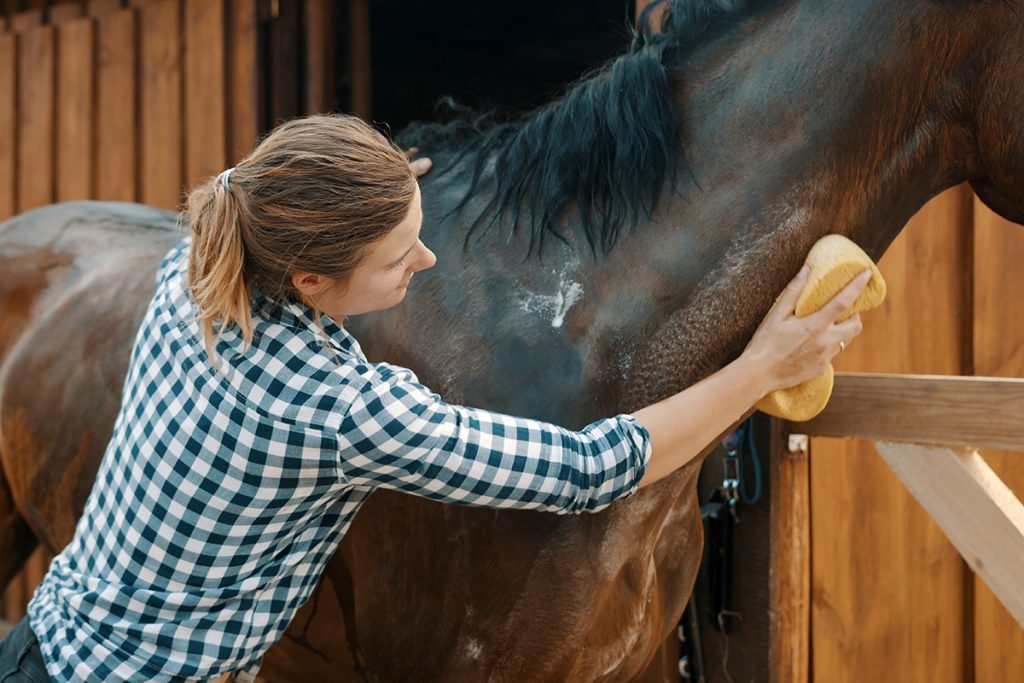
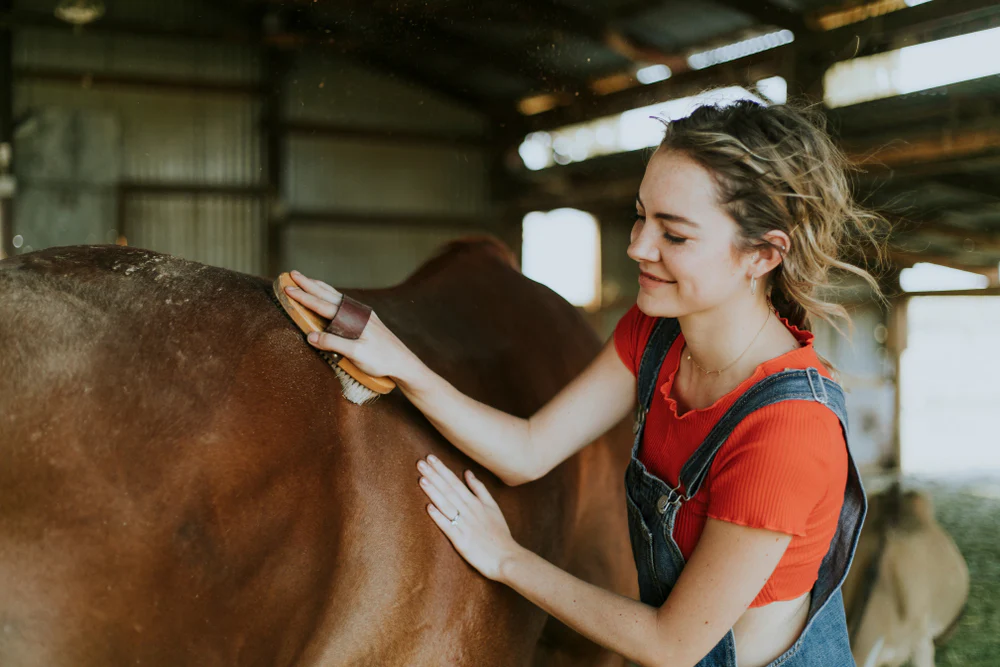
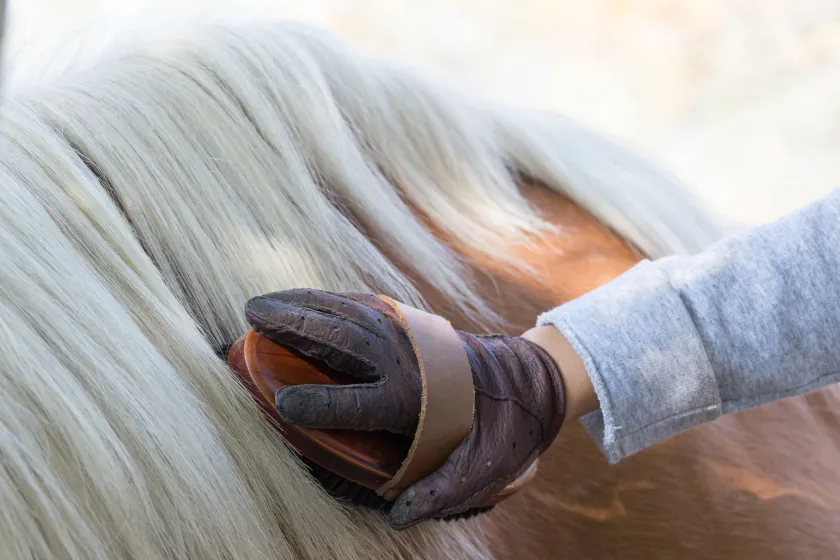
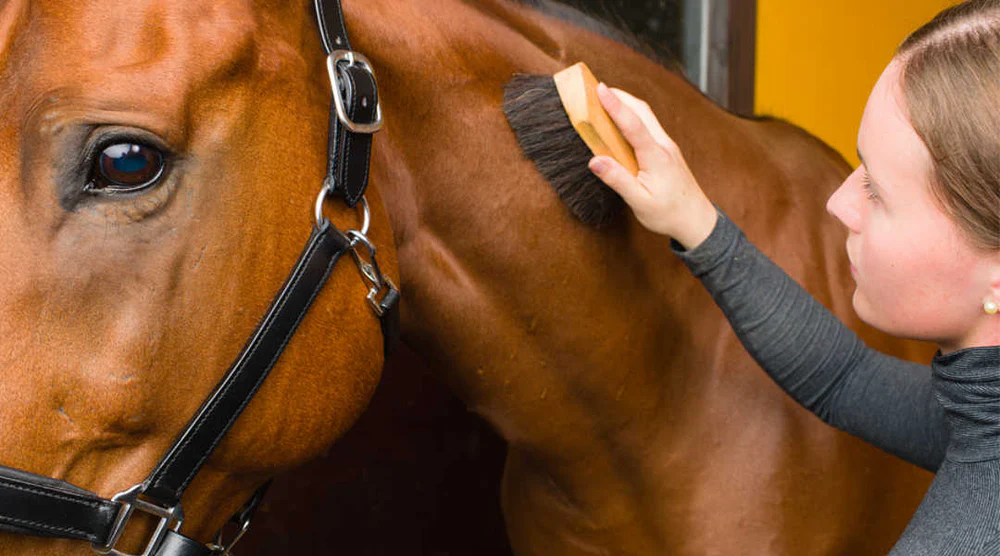
- Use the Right Tools: Begin with a soft curry comb to loosen dirt, followed by a body brush to remove dust and hair. Always brush in the direction of hair growth.
- Check for Injuries: Teach children to look for cuts, swelling, or sensitive areas and to report anything unusual to an adult.
- Reward and Reassure: Encourage gentle pats and calm words to keep the horse relaxed throughout the process.

Teaching Children About Horse Behavior and Body Language
Understanding how horses communicate is a vital part of safe grooming. Children should learn to recognize signs of discomfort or agitation, such as pinned ears, swishing tails, or shifting weight. Encourage them to move slowly and avoid sudden gestures, especially around the horse’s hindquarters and head.
For more in-depth strategies on building trust and reducing anxiety in horses during grooming, consider reading about horse grooming trust building and horse grooming stress reduction techniques.
Common Hazards and How to Prevent Them
Even with the best preparation, certain risks are inherent in working with horses. Here are some common hazards and tips for prevention:
- Kicks and Bites: Always remind children to avoid standing directly behind or in front of the horse. Keep hands away from the horse’s mouth and legs.
- Tripping and Slipping: Ensure the grooming area is tidy, free of loose equipment, and has good footing.
- Tool Safety: Store brushes and combs safely when not in use, and teach children to hand tools to each other handle-first.
- Allergies and Sensitivities: Some children may be sensitive to dust or horsehair. Wearing gloves and masks can help reduce reactions.
Best Practices for Supervising Young Groomers
Supervision is the cornerstone of safe horse grooming for children. Adults should remain attentive, offer guidance, and be ready to step in if a situation becomes unsafe. It’s helpful to set clear rules, such as no running or shouting around horses, and to reinforce these guidelines consistently.
Consider organizing grooming sessions in small groups so each child receives individual attention. Rotate tasks to keep children engaged and ensure everyone learns each step of the process.

Recommended Grooming Tools for Kids
Using the right equipment can make grooming safer and more enjoyable for children. Look for lightweight brushes, soft curry combs, and hoof picks with safety guards. Kits designed specifically for young hands are widely available and help prevent accidental scratches or pinches.
For a detailed overview of essential grooming tools and techniques, the basics of horse grooming resource provides a comprehensive introduction suitable for all ages.
Encouraging Confidence and Responsibility
Grooming horses can be a formative experience for children, teaching them empathy, patience, and responsibility. Celebrate their progress, offer positive feedback, and gradually introduce more advanced tasks as their skills and confidence grow. Always prioritize safety, but allow children to take ownership of their role in caring for the horse.
For those preparing for special events, the horse grooming for horse shows guide offers expert tips on presentation and handling under pressure.
Frequently Asked Questions
What age is appropriate for children to start grooming horses?
Most children can begin learning basic grooming skills around age six, provided they are closely supervised and the horse is gentle. Younger children may participate in simple tasks like brushing with adult assistance.
How can I tell if a horse is comfortable with a child grooming it?
Signs of comfort include relaxed ears, a calm demeanor, and willingness to stand still. If the horse shows signs of stress, such as pinned ears or swishing its tail, pause the session and reassess the situation.
What should I do if a child is afraid of the horse?
Encourage the child to observe from a safe distance and gradually participate in small steps, such as holding a brush or touching the horse’s shoulder. Never force interaction, and always respect the child’s comfort level.
Are there specific grooming tools designed for children?
Yes, many brands offer grooming kits with smaller, lightweight tools tailored for young hands. These sets often include soft brushes and easy-grip handles to enhance safety and usability.
Conclusion
With the right guidance, equipment, and supervision, horse grooming can be a safe and enriching activity for children. By following best practices and staying attentive to both the horse’s and the child’s needs, families and instructors can foster a lifelong love of horses while prioritizing safety at every step.