

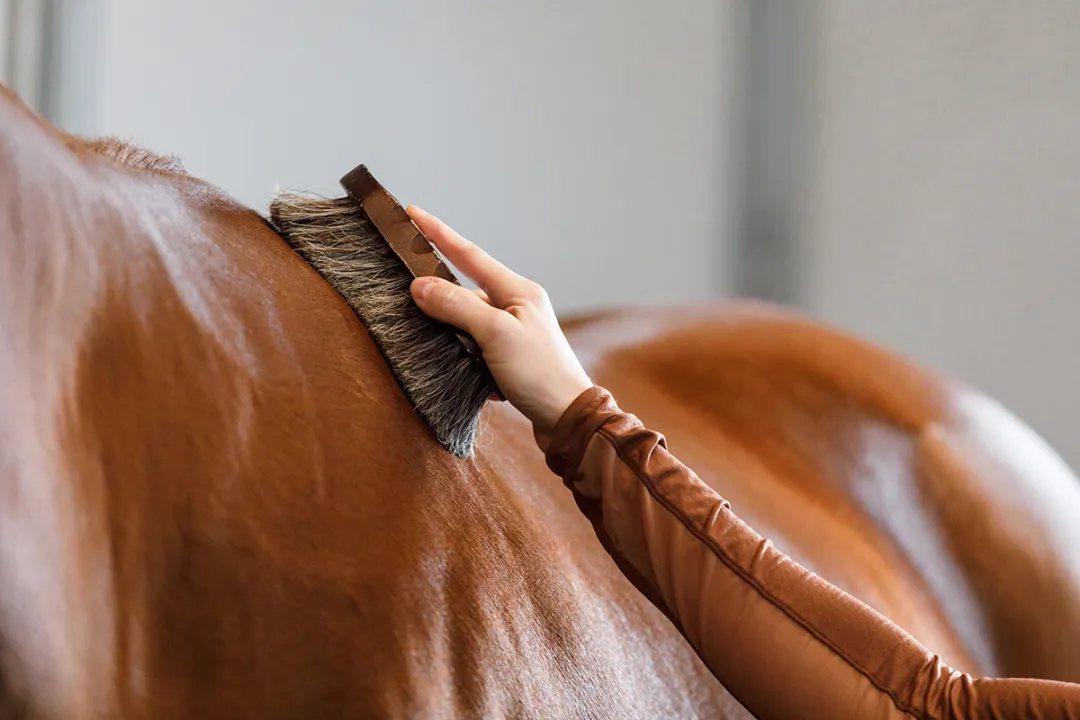
Maintaining a horse’s health and appearance is a responsibility that grows with experience. For adults, grooming is more than a routine—it’s an essential part of horse care that strengthens the bond between horse and handler, ensures comfort, and helps spot health issues early. This guide covers horse grooming for adults, focusing on effective techniques, recommended tools, and practical advice for making each session safe and rewarding.
Whether you’re returning to horses after a break or are new to equine care as an adult, understanding the nuances of grooming will help you provide the best for your horse. Along the way, you’ll also discover how grooming supports overall well-being, from coat health to emotional connection.
Before diving into grooming routines, it’s important to consider safety and comfort for both you and your horse. If you’re also interested in equestrian safety, you might want to learn about how to find the right riding helmet for your head shape to complement your grooming practices.
Essential Tools for Adult Horse Groomers
Having the right equipment is the foundation of effective grooming. Adults often prefer ergonomic tools that reduce strain and improve efficiency, especially during longer sessions. Here’s a rundown of must-have items for horse grooming for adults:
- Curry comb: Loosens dirt, mud, and shedding hair from the coat.
- Dandy brush: Removes the loosened debris and is ideal for the horse’s body.
- Body brush: Soft bristles help smooth the coat and add shine.
- Mane and tail comb: Detangles and maintains hair without breakage.
- Hoof pick: Cleans hooves and checks for stones or injuries.
- Sponges and towels: Useful for cleaning sensitive areas and wiping down sweat or dust.
Investing in quality tools designed for adult hands can make a noticeable difference in comfort and effectiveness. Look for handles with non-slip grips and brushes that fit your hand size well.
Step-by-Step Grooming Routine for Adults
Following a structured process ensures thorough care and keeps your horse comfortable. Here’s a recommended sequence for adult horse grooming routines:
- Secure your horse: Use cross-ties or a lead rope in a safe, quiet area.
- Start with the curry comb: Move in gentle, circular motions to loosen dirt and hair, avoiding sensitive areas like the face and legs.
- Use the dandy brush: Sweep away debris with short, flicking motions, working in the direction of hair growth.
- Body brush for finishing: Use soft strokes to smooth the coat and bring out natural oils.
- Clean mane and tail: Hold the hair at the base to avoid pulling and use a wide-tooth comb or brush to detangle.
- Pick out hooves: Carefully remove dirt and stones, checking for signs of thrush or injury.
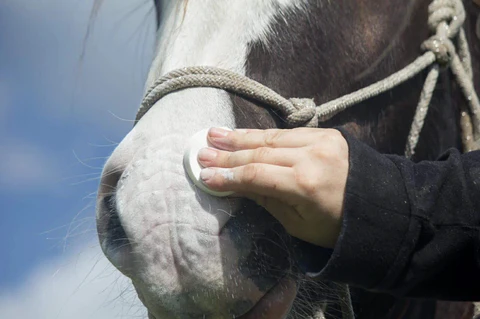
- Wipe sensitive areas: Use a damp sponge for the eyes, nose, dock, and underbelly.
Consistency in this routine helps your horse become comfortable with grooming and allows you to monitor their health closely.
Special Considerations for Adult Equestrians
Adults may face unique challenges such as back strain or limited mobility. Here are some tips to make grooming horses as an adult easier and more enjoyable:
- Choose lightweight, ergonomic tools to reduce hand and wrist fatigue.
- Use mounting blocks or stools to reach tall horses safely, especially for manes and backs.
- Take breaks during longer grooming sessions to prevent discomfort.
- Consider grooming gloves for a more tactile experience that’s easier on the joints.
- Work with a partner or stablemate for horses that are difficult to handle alone.
Adapting your approach ensures that grooming remains a positive experience for both you and your horse, regardless of age or physical ability.
Benefits of Regular Grooming for Adult Handlers
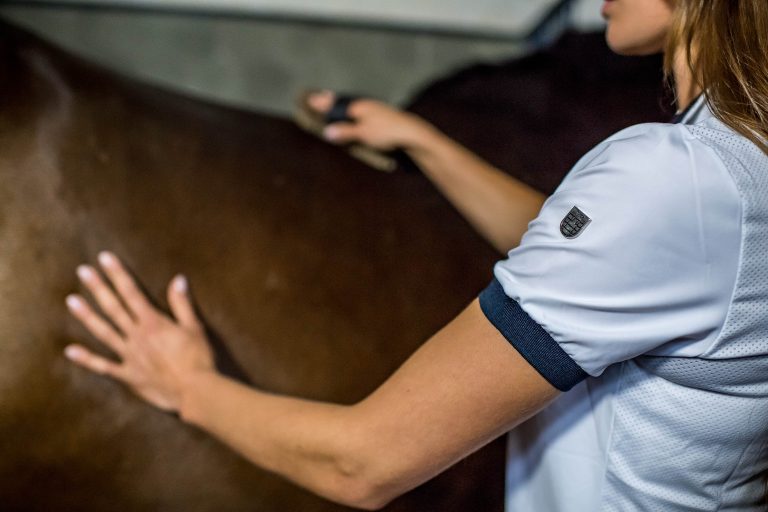
Consistent grooming offers a range of advantages for both horse and handler. For adults, these benefits go beyond appearance:
- Health monitoring: Early detection of cuts, swelling, or skin issues.
- Bonding: Builds trust and communication with your horse.
- Stress relief: The rhythmic nature of grooming can be calming for both parties.
- Improved performance: Clean, comfortable horses are more willing and responsive under saddle.
- Personal satisfaction: There’s a sense of accomplishment in seeing your horse look and feel their best.
For more detailed guidance, you can consult resources like this comprehensive horse grooming tutorial that covers advanced techniques and troubleshooting tips.
Common Mistakes and How to Avoid Them
Even experienced adults can fall into habits that reduce the effectiveness of grooming. Here are frequent pitfalls and how to prevent them:
- Rushing through the process: Take your time to ensure all areas are cleaned and checked.
- Using the wrong tools for the job: Match brush stiffness to the area and sensitivity of your horse.
- Neglecting hooves: Skipping hoof care can lead to serious health problems.
- Forgetting to clean grooming tools: Dirty brushes can spread skin conditions.
- Ignoring your own posture: Use your legs, not your back, and switch hands to avoid fatigue.
By staying mindful of these issues, you can make each grooming session more effective and enjoyable.
Integrating Grooming Into Your Adult Riding Routine
Grooming isn’t just a chore—it’s an integral part of your time at the stable. Many adults find that incorporating grooming into their pre- and post-ride routines helps them connect with their horse and prepare mentally for riding. It’s also a good opportunity to check equipment, such as ensuring your helmet fits securely. For more on safety gear, see our article on the importance of a secure helmet retention system.
Regular grooming can also help you notice subtle changes in your horse’s condition, which is especially important as both horse and handler age. Making grooming a habit supports long-term health and happiness for your equine partner.
Frequently Asked Questions
How often should adults groom their horses?
Ideally, horses should be groomed before and after every ride. If your horse is not ridden daily, aim for at least a few thorough grooming sessions each week to maintain coat health and monitor for injuries.
What’s the best way for adults to handle difficult or nervous horses during grooming?
Patience and consistency are key. Approach your horse calmly, use gentle strokes, and reward good behavior. If needed, seek help from an experienced handler or trainer to develop a positive grooming routine.
Are there differences in grooming routines for older adults?
Older adults may benefit from adaptive tools, such as longer-handled brushes or grooming gloves. Taking breaks, using stools, and working in pairs can also make the process safer and more comfortable.
Can grooming help detect health problems early?
Yes, regular grooming allows you to spot cuts, swelling, skin irritations, or hoof issues before they become serious. Early intervention can prevent complications and keep your horse healthier.
Conclusion
Mastering horse grooming for adults is about more than keeping your horse clean—it’s a vital part of responsible ownership and a rewarding way to connect with your animal. By using the right tools, following a consistent routine, and adapting techniques to your needs, you’ll ensure your horse stays healthy, comfortable, and happy. With each session, you’ll also strengthen the unique partnership that makes equestrian life so fulfilling.