


Keeping a horse’s coat healthy and clean is a key part of responsible equine care. Among the essential tools for this task is the horse grooming dandy brush, a staple in every grooming kit. Understanding how to use this brush correctly can make a significant difference in your horse’s comfort, skin health, and overall appearance. This article provides a comprehensive overview of dandy brushes, their proper use, and practical advice for getting the most out of your grooming routine.
Whether you’re a new horse owner or an experienced equestrian, mastering grooming techniques is crucial. Alongside other safety practices—like learning how to choose a helmet for eventing—regular, effective grooming ensures your horse looks and feels its best.
What Is a Dandy Brush and Why Is It Important?
A dandy brush is a stiff-bristled grooming tool designed to remove dirt, mud, and dried sweat from a horse’s coat. Unlike softer body brushes, dandy brushes are used primarily on the horse’s body—not on sensitive areas like the face or legs. Their firm bristles are effective at lifting debris that a curry comb loosens, making them a vital step in the grooming sequence.
- Removes surface dirt and dried mud efficiently
- Stimulates the skin and promotes natural oil production
- Prepares the coat for finer brushing and finishing
Choosing the Right Dandy Brush for Your Horse
Selecting a suitable dandy brush depends on your horse’s coat type and sensitivity. Brushes come in various sizes, bristle materials, and stiffness levels. Synthetic bristles are durable and easy to clean, while natural fibers (like rice root or palmyra) offer a more traditional feel.
- For thick or muddy coats, opt for stiffer bristles
- For sensitive-skinned horses, choose slightly softer bristles
- Handle design should feel comfortable and secure in your hand
Regularly cleaning your brush will help maintain its effectiveness and prevent the spread of skin conditions.
Step-by-Step: How to Use a Dandy Brush Effectively
Using the dandy brush properly ensures you remove as much dirt as possible without irritating your horse’s skin. Here’s a straightforward process to follow:
- Start after currying: Use a rubber curry comb first to loosen dirt and debris.
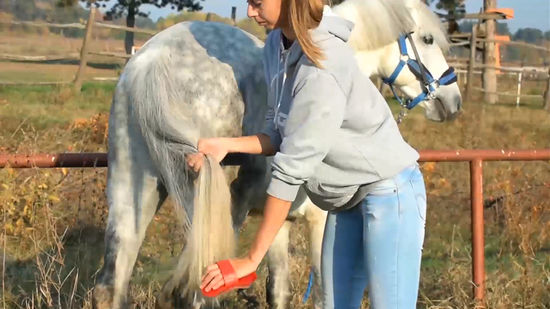
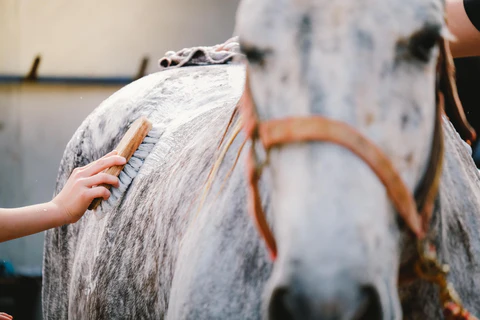
- Brush in short, flicking strokes: Move the dandy brush in the direction of hair growth, using brisk, flicking motions to lift dirt away from the coat.
- Avoid sensitive areas: Do not use the dandy brush on the face, mane, tail, or lower legs.
- Clean the brush frequently: Tap the brush against a hard surface or use a curry comb to remove accumulated dirt.
- Follow with a body brush: After using the dandy brush, a softer body brush can help remove finer dust and add shine.
Tips for Maintaining Your Grooming Tools
Keeping your dandy brush and other grooming supplies in top shape is essential for both hygiene and performance. Here are some practical maintenance tips:
- Clean after each use: Remove hair and dirt by tapping or brushing out the bristles.
- Wash regularly: Soak the brush in warm, soapy water, rinse thoroughly, and allow it to dry completely before storing.
- Store in a dry place: Damp conditions can cause natural bristles to deteriorate and encourage mold growth.
- Inspect for wear: Replace brushes with bent, broken, or excessively worn bristles to avoid discomfort for your horse.
Integrating the Dandy Brush Into Your Grooming Routine
The dandy brush is just one part of a complete grooming process. For best results, follow this sequence:
- Pick out hooves
- Use a curry comb to loosen dirt
- Apply the dandy brush to remove debris
- Finish with a soft body brush
- Wipe down the face with a damp cloth
- Comb mane and tail as needed
Consistent grooming not only keeps your horse clean but also gives you an opportunity to check for injuries, skin issues, or changes in condition. For more in-depth advice on equestrian safety and equipment, you might find the article on common equestrian helmet fitting mistakes useful.
Common Mistakes to Avoid When Using a Dandy Brush
Even experienced horse owners can make errors during grooming. Here are some frequent mistakes and how to avoid them:
- Using too much pressure: Excessive force can irritate the skin, especially on thin-coated horses.
- Brushing sensitive areas: Always avoid the face, belly, and lower legs with stiff brushes.
- Neglecting to clean the brush: A dirty brush spreads grime instead of removing it.
- Skipping regular grooming: Infrequent brushing can lead to skin issues and a dull coat.
Additional Resources for Horse Care
For a deeper dive into grooming and equine wellness, consider reading this comprehensive guide to grooming a horse. It covers the full range of grooming tools, techniques, and best practices for keeping your horse in top condition.
Frequently Asked Questions
How often should I use a dandy brush on my horse?
For most horses, using a dandy brush as part of the daily grooming routine is ideal. It helps remove dirt and debris before and after exercise. However, frequency may vary depending on your horse’s environment and coat condition.
Can I use a dandy brush on my horse’s face or legs?
No, the stiff bristles are too harsh for sensitive areas like the face and lower legs. Use a soft brush or damp cloth for those regions to avoid discomfort or injury.
What is the difference between a dandy brush and a body brush?
A dandy brush has stiffer bristles and is used to remove heavy dirt and mud from the horse’s body. A body brush is softer and is used after the dandy brush to remove finer dust and smooth the coat, adding shine.