


Keeping your horse clean and healthy is a fundamental part of equine care. The right grooming tools not only help maintain a shiny coat but also support your horse’s skin health and overall comfort. With so many options available, choosing the best brushes for horse grooming can feel overwhelming. This article will break down the essential types of brushes, explain their uses, and help you build an effective grooming routine for your horse.
Before diving into the details, it’s important to remember that grooming is about more than appearance. Regular brushing improves circulation, helps you spot injuries early, and strengthens the bond between you and your horse. For those interested in other aspects of equestrian safety, you might also want to read about how to choose a helmet for eventing to ensure you’re protected during every ride.
Understanding Horse Grooming Brushes
Every grooming kit should include a variety of brushes, each designed for a specific purpose. Using the right brush at the right time ensures your horse’s coat stays clean, healthy, and free from irritation. Here’s a breakdown of the most common types of grooming brushes and their roles in daily care:
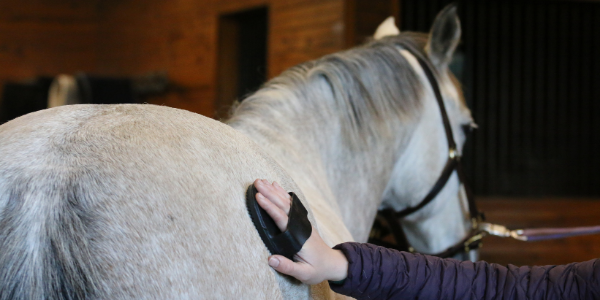
- Curry Comb: Used to loosen dirt, mud, and shedding hair. Its circular motion massages the skin and stimulates natural oils.
- Dandy Brush (Stiff Brush): Removes the loosened dirt and hair from the coat, especially effective on the body and legs.
- Body Brush (Soft Brush): Smooths the coat and brings out shine by distributing oils. Gentle enough for sensitive areas.
- Face Brush: Smaller and softer, designed for delicate facial areas.
- Mane and Tail Brush: Detangles and smooths the mane and tail without causing breakage.
- Hoof Pick: Not a brush, but an essential part of grooming to clean out hooves.
Choosing the Right Brushes for Your Horse
The best brushes for horse grooming depend on your horse’s coat type, skin sensitivity, and lifestyle. Horses with thick winter coats may need stiffer brushes, while those with sensitive skin benefit from softer options. Here are some tips for selecting the right tools:
- For horses with sensitive skin, opt for natural fiber body brushes and soft face brushes.
- If your horse spends a lot of time outdoors, a sturdy dandy brush will help remove caked-on mud and debris.
- Choose a mane and tail brush with flexible bristles to prevent hair breakage.
- Consider ergonomic handles for comfort during longer grooming sessions.

How to Use Each Grooming Brush Effectively
Using each brush correctly is just as important as choosing the right one. Here’s a step-by-step guide to making the most of your grooming tools:
- Curry Comb: Start with the curry comb, moving it in gentle, circular motions across the horse’s body. Avoid bony areas like the face and legs. This step loosens dirt and stimulates the skin.
- Dandy Brush: Follow up with a dandy brush, using short, flicking strokes to remove the dirt and hair brought up by the curry comb. Focus on the body and legs, but avoid sensitive areas.
- Body Brush: Use the body brush in long, smooth strokes to lay the coat flat and bring out its natural shine. This brush is safe for use on most parts of the horse, including the face and legs if it’s soft enough.
- Face Brush: Gently brush the face, being careful around the eyes, ears, and muzzle.
- Mane and Tail Brush: Work through tangles in the mane and tail, starting at the ends and moving upward to avoid pulling out too much hair.
- Hoof Pick: Always finish by cleaning out the hooves to remove stones, mud, and debris.
Maintaining Your Grooming Brushes
To keep your grooming tools effective and hygienic, regular cleaning is essential. Dirty brushes can spread bacteria and cause skin issues. Here’s how to care for your brushes:
- Remove hair and debris after each use.
- Wash brushes in warm, soapy water every few weeks, especially if used on multiple horses.
- Allow brushes to dry completely before storing to prevent mold and mildew.
- Inspect for broken bristles or sharp edges and replace as needed.
Expert Tips for a Successful Grooming Routine
Establishing a consistent grooming routine helps keep your horse healthy and comfortable. Here are some practical tips to make the most of your grooming sessions:
- Groom your horse daily, especially during shedding season or before riding.
- Pay attention to your horse’s reactions—if they flinch or move away, try a softer brush or lighter touch.
- Use grooming time to check for cuts, swelling, or signs of discomfort.
- Keep your brushes organized and clean to avoid spreading skin conditions.
- For more advanced grooming and show preparation, check out these horse show grooming tips for professional results.
Frequently Asked Questions
What are the essential brushes every horse owner should have?
At a minimum, you should have a curry comb, dandy brush, body brush, face brush, mane and tail brush, and a hoof pick. These tools cover all the basic grooming needs for most horses.
How often should I clean my horse grooming brushes?
Remove hair and dirt after each use, and wash your brushes with warm, soapy water every few weeks. If you use the brushes on more than one horse, clean them more frequently to prevent the spread of skin conditions.
Can I use human hair brushes on my horse?
It’s best to use brushes specifically designed for horses. Human hair brushes are not built to handle the thickness of a horse’s coat or the type of debris found in their hair, and they may break or cause discomfort.
How do I know if my horse needs a different type of brush?
If your horse shows signs of discomfort, such as flinching or moving away during grooming, try a softer brush. Horses with sensitive skin or thin coats may benefit from natural fiber brushes or softer bristles.
Conclusion
Building a grooming kit with the right selection of brushes is essential for your horse’s health and comfort. By understanding the purpose of each brush and maintaining a regular grooming routine, you’ll keep your horse’s coat clean, shiny, and free from irritation. Remember to choose brushes that suit your horse’s individual needs and keep your tools clean for the best results. For more equestrian tips, explore related topics such as common equestrian helmet fitting mistakes to ensure safety and comfort in every aspect of horse care.