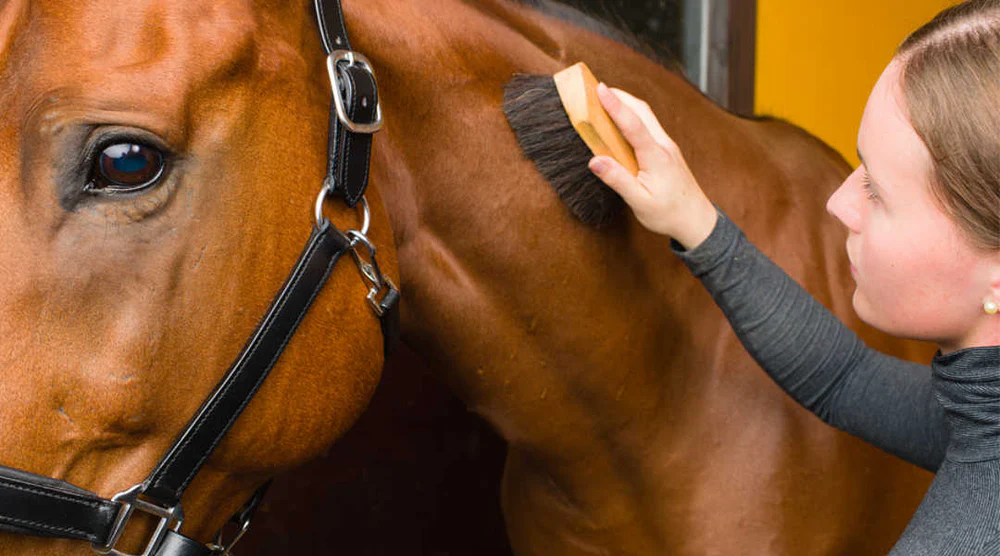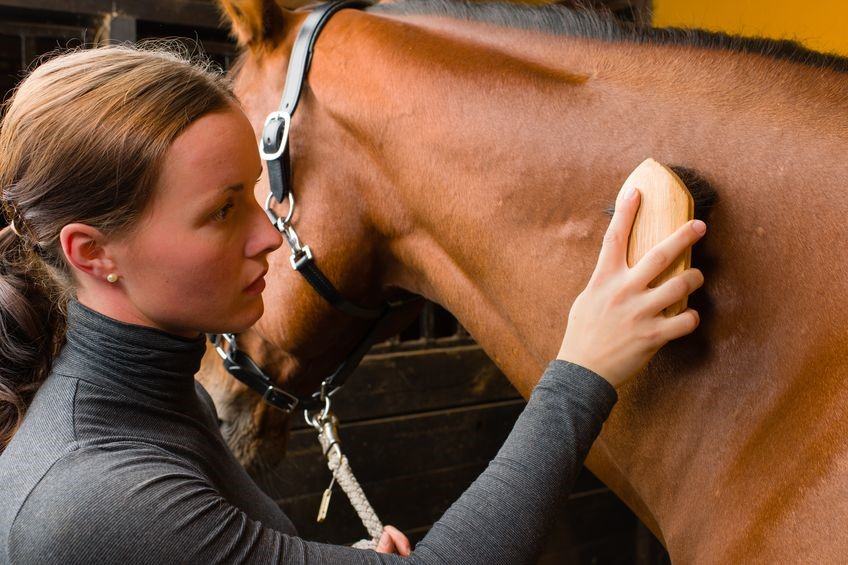
Developing a calm, cooperative horse during grooming sessions is essential for both safety and the animal’s well-being. Horse grooming behavior training goes beyond simply brushing and cleaning; it’s about teaching your horse to stand quietly, trust your touch, and respond positively to handling. Whether you’re working with a young horse or retraining an older one, understanding the principles of behavior training can transform grooming from a chore into a bonding experience.
In this article, you’ll find a comprehensive approach to teaching your horse good manners during grooming. We’ll cover foundational techniques, practical steps for introducing new behaviors, and tips for overcoming common challenges. If you’re interested in building a stronger relationship with your horse through grooming, you might also want to explore horse grooming trust building for deeper insights.
Why Behavior Training Matters During Grooming
Grooming is more than just keeping your horse clean. It’s a daily opportunity to reinforce positive behaviors and address any anxieties your horse may have about being handled. Horses that are properly trained for grooming are less likely to fidget, bite, kick, or become stressed. This not only makes the process safer for you but also more enjoyable for your horse.
Consistent, gentle handling during grooming sessions helps establish trust and respect. Over time, your horse will learn to associate grooming with positive experiences, making it easier to introduce new care routines or prepare for events like horse grooming for horse shows.
Essential Principles for Horse Grooming Behavior Training
Successful training relies on patience, consistency, and clear communication. Here are the foundational principles to keep in mind:
- Start Slow: Introduce grooming tools and touch gradually, especially with young or nervous horses.
- Reward Calmness: Use positive reinforcement such as gentle words, scratches, or treats when your horse stands quietly.
- Be Consistent: Use the same cues and routines each time to help your horse understand what’s expected.
- Stay Safe: Always remain alert to your horse’s body language and position yourself safely, particularly when working around sensitive areas.
Step-by-Step Approach to Teaching Good Grooming Manners
Training your horse to behave during grooming sessions is a process. Here’s a structured approach to help you get started:
- Choose a Calm Environment: Begin in a quiet, familiar area where your horse feels secure. Avoid distractions that could make your horse anxious or reactive.
- Introduce Tools Gradually: Let your horse sniff and investigate brushes, curry combs, and other grooming tools before using them. This reduces fear and builds curiosity.
- Touch Desensitization: Gently run your hands over your horse’s body, starting with less sensitive areas like the neck and shoulders. Gradually move to more sensitive spots, always watching for signs of discomfort.
- Short Sessions: Keep initial grooming sessions brief. End on a positive note, even if it means stopping before you finish the entire grooming routine.
- Reward and Release: When your horse stands quietly or responds to cues, reward them immediately. If your horse becomes restless, calmly reposition and try again.
- Address Problem Behaviors: If your horse bites, kicks, or moves away, avoid punishment. Instead, calmly correct the behavior and reinforce positive responses.

Common Challenges and How to Overcome Them
Even with careful training, you may encounter issues such as fidgeting, tail swishing, or resistance to certain grooming tools. Here are some practical solutions:
- Restlessness: If your horse won’t stand still, try shorter sessions and increase frequency. Use a lead rope or cross-ties for added control, but never leave a tied horse unattended.
- Sensitivity: Some horses are ticklish or reactive to certain brushes. Experiment with different tools and pressure. If your horse is particularly sensitive, consult a veterinarian to rule out skin conditions.
- Fear of Specific Areas: Horses may resist grooming on the belly, legs, or face. Gradually desensitize these areas with gentle touch and positive reinforcement.
- Stress or Anxiety: If your horse seems nervous, try incorporating horse grooming stress reduction techniques, such as slow breathing, soft voice, or calming routines.
Building Trust Through Consistent Grooming Routines
Establishing a predictable grooming routine helps your horse know what to expect, reducing anxiety and resistance. Start each session by greeting your horse calmly, then follow the same order of brushing, picking hooves, and checking for injuries. Over time, your horse will become more relaxed and responsive.
For specific grooming tasks, such as horse grooming bridle path trimming or horse grooming tail trimming guide, apply the same principles of gradual introduction and positive reinforcement.

Tips for Long-Term Success in Grooming Behavior Training
- Observe Body Language: Pay attention to your horse’s ears, eyes, and posture. Early signs of discomfort can help you adjust your approach before problems escalate.
- Stay Patient: Progress may be slow, especially with horses that have had negative experiences. Celebrate small victories and remain consistent.
- Keep Sessions Positive: End each grooming session with a reward, whether it’s a treat, a walk, or simply a kind word.
- Educate Yourself: Continue learning about horse behavior and grooming best practices. Resources like this guide and step-by-step grooming instructions can help you refine your technique.
Frequently Asked Questions
How long does it take to train a horse to stand quietly for grooming?
The time required varies depending on the horse’s age, temperament, and previous experiences. Some horses may learn in a few sessions, while others need several weeks of consistent, positive reinforcement. Patience and repetition are key to success.
What should I do if my horse becomes aggressive during grooming?
If your horse bites, kicks, or shows signs of aggression, stop the session and assess the situation. Check for pain, discomfort, or fear triggers. Resume training with gentle, gradual desensitization and consult a professional trainer or veterinarian if the behavior persists.
Are there specific tools that help with behavior training during grooming?
Soft brushes, grooming mitts, and gentle curry combs are often well-tolerated by most horses. Using tools that your horse finds comfortable can make training easier. Always introduce new tools slowly and observe your horse’s reaction.
Can grooming help reduce my horse’s stress?
Yes, regular grooming can significantly lower stress levels by providing routine, gentle touch, and positive interaction. For additional strategies, consider incorporating stress reduction techniques into your routine.