

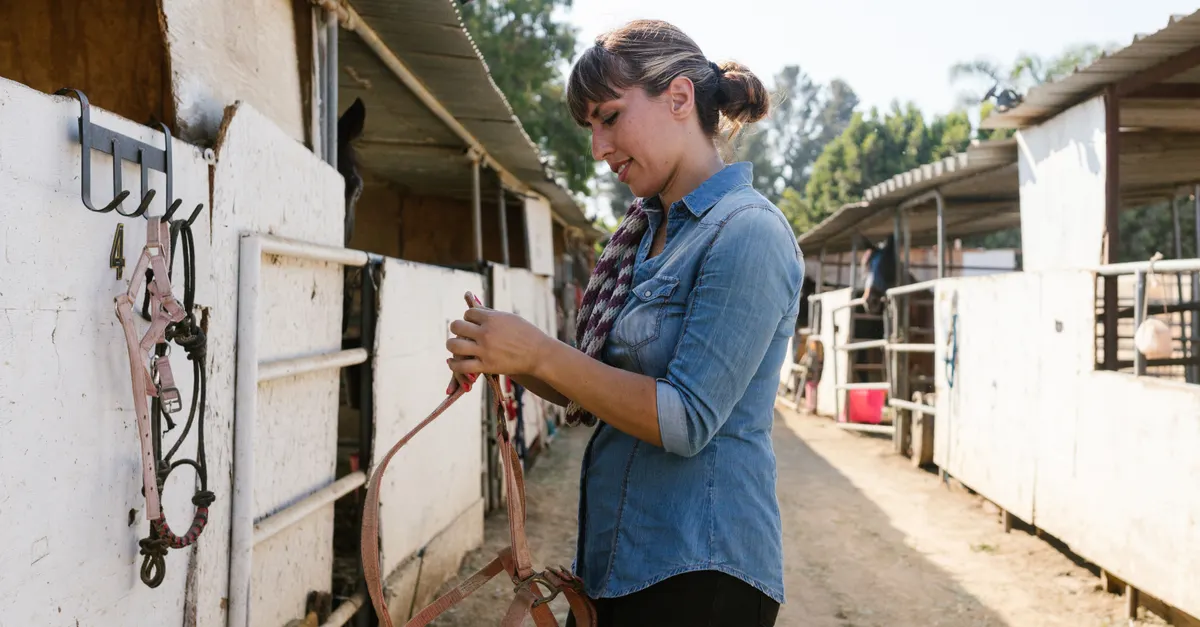
Setting up a well-equipped horse barn is crucial for the safety, health, and efficiency of daily horse care. Whether you manage a private stable or a boarding facility, having the right tools and systems in place can make all the difference in the well-being of your horses and the smooth operation of your barn. This guide offers a comprehensive overview of what should be included on any horse barn equipment checklist, with a special focus on safety equipment and procedures that are too often overlooked.
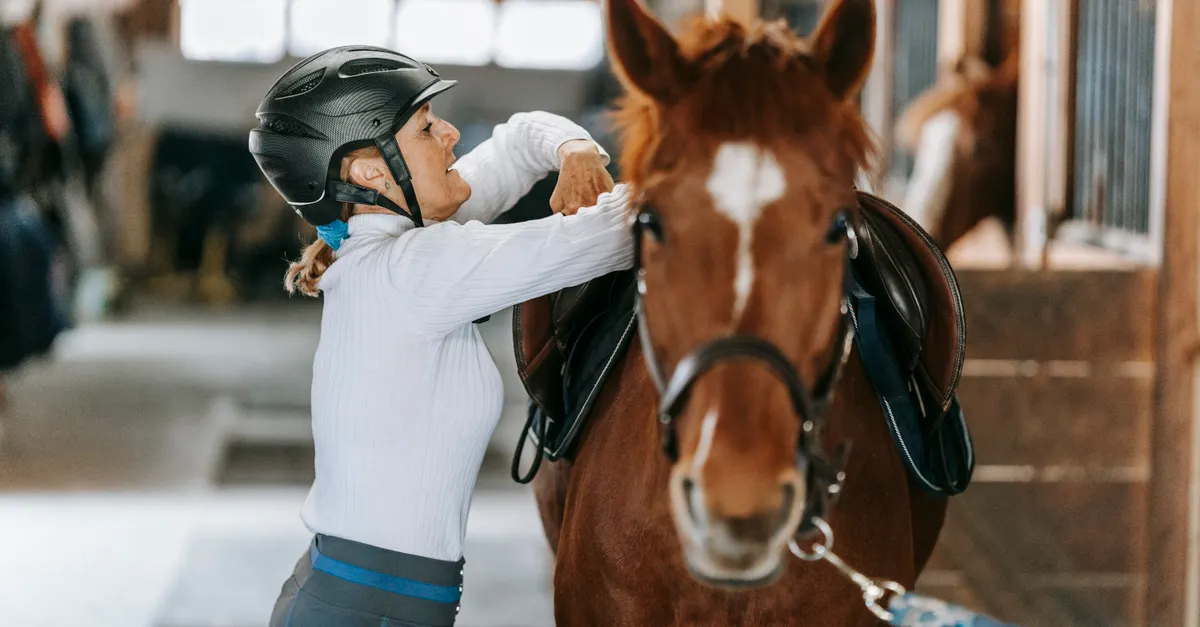
Essential Daily Care Equipment for Your Barn
Daily horse care requires a reliable set of tools to keep horses healthy and comfortable. The following items are foundational for every barn:
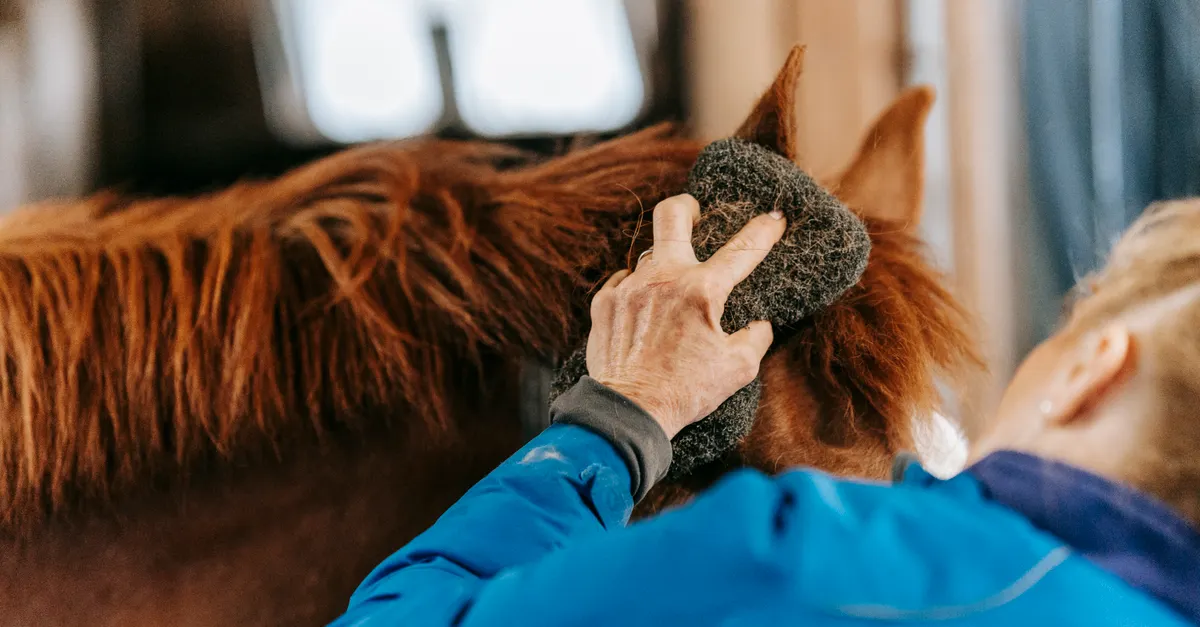
- Grooming kit: This should include brushes (body, mane, and tail), curry combs, hoof picks, sponges, and shedding blades. Regular grooming not only keeps horses clean but also helps monitor their health by spotting injuries or skin issues early. According to established equine care sources, a well-stocked grooming kit is non-negotiable for daily routines.
- First aid kit: Every barn must have a comprehensive first aid kit tailored for horses. This should contain bandages, wound ointment, antiseptic solution, scissors, digital thermometer, and disposable gloves. Being prepared for minor injuries or emergencies can prevent complications and provide peace of mind.
- Feed and water equipment: Sturdy feed buckets, water troughs, and automatic waterers are essential. Clean, accessible water is vital for horse health, and feed containers should be easy to sanitize.
- Manure management tools: Pitchforks, wheelbarrows, and muck buckets help keep stalls clean and reduce the risk of disease. Regular removal of manure is a basic but critical part of barn hygiene.
- Horse clothing: Depending on the climate and your horses’ needs, you may need turnout blankets, fly sheets, or coolers. As noted by equine care experts, choosing the right blanket for the weather and ensuring proper fit are important for comfort and safety.
- Basic horse tack: Halters, lead ropes, and saddles are fundamental. Safety features such as breakaway halters can help prevent injury if a horse gets caught.
Having these items on hand ensures that daily care tasks can be performed efficiently and safely. For a more detailed breakdown of must-have gear, see our guide on must have equipment for horse owners.
Safety Equipment and Procedures: Protecting Horses and Handlers
Safety is a critical aspect of barn management that goes beyond basic care. The right safety equipment and clear procedures can prevent accidents and minimize risk for both horses and people. Here are key considerations:
- Fire extinguishers: Place them at strategic locations and ensure they are regularly inspected. Fire is a major risk in barns due to bedding and hay, so quick access to extinguishers is essential.
- Smoke and carbon monoxide detectors: Install these in all enclosed areas to provide early warning of fire or dangerous gas buildup.
- Emergency exits and lighting: Mark all exits clearly and keep pathways unobstructed. Backup lighting or battery-powered lanterns are helpful during power outages.
- First aid stations: In addition to portable kits, consider a dedicated area for first aid supplies, with instructions for common emergencies posted nearby.
- Protective gear: Helmets, gloves, and sturdy boots should be worn by anyone handling horses. For certain tasks, such as working with young or unpredictable horses, additional protection like safety vests may be warranted.
- Safe storage for chemicals and medications: Store all hazardous substances in locked cabinets, away from feed and water sources, and clearly label them to prevent accidental misuse.
- Clear signage: Post signs indicating restricted areas, emergency contacts, and basic safety rules. This is especially important in barns with multiple users or visitors.
Establishing and practicing emergency procedures—such as fire drills and evacuation plans—can save lives. Regularly review safety protocols with everyone who works in or visits the barn. For more on minimizing risk during daily routines, our resource on safe horse handling practices covers essential habits for accident prevention.
Organizing and Maintaining Barn Equipment
Keeping your barn organized not only saves time but also enhances safety and efficiency. Here are proven strategies for managing your horse barn equipment checklist:
- Label everything: Especially in a boarding barn, labeling feed bins, tack, and grooming tools prevents mix-ups and ensures each horse receives the correct care. According to industry sources, clear labeling is vital for smooth operations and accountability.
- Assign storage zones: Designate specific areas for feed, tack, cleaning tools, and safety equipment. Use shelves, hooks, and bins to keep items off the floor and reduce tripping hazards.
- Shared tool management: In facilities with multiple users, assign shared tools and maintain a sign-out system to track usage. This prevents loss and ensures that equipment is returned after use.
- Routine maintenance: Schedule regular inspections of all equipment. Clean and disinfect grooming tools, check tack for wear, and repair or replace damaged items promptly. Well-maintained gear lasts longer and is less likely to cause injury.
- Inventory checks: Periodically review your supply of consumables such as bandages, fly spray, and cleaning products. Restock before supplies run low to avoid disruptions in care.
For those managing larger facilities, consider digital inventory systems or simple spreadsheets to track equipment and maintenance schedules. These practices not only keep the barn running smoothly but also support a safer environment for horses and handlers alike.
Differences Between Private and Boarding Barn Equipment Needs
The type of barn you operate influences your equipment requirements. Here’s how needs can differ:
- Private barns: Typically serve a small number of horses, often owned by a single family. Equipment can be tailored to specific preferences, and organization may be more flexible. However, safety protocols should still be strictly followed.
- Boarding barns: Serve multiple owners and horses, requiring more extensive labeling, shared tool management, and standardized procedures. There is a greater need for clear signage, assigned storage, and formal maintenance routines to avoid confusion and ensure accountability.
Regardless of barn type, the core principles of safety, organization, and maintenance remain the same. The scale and complexity may change, but the fundamentals do not.
Maintaining and Inspecting Barn Equipment
Regular inspection and upkeep of barn tools and safety gear are essential for preventing accidents and extending the life of your investment. Here are some key steps:
- Check all halters and lead ropes for fraying or damage. Replace immediately if compromised.
- Clean grooming tools after each use to prevent the spread of skin conditions.
- Inspect fire extinguishers and smoke detectors monthly, and replace batteries as needed.
- Store horse blankets and sheets in a dry, rodent-proof area to prevent mold and damage.
- Keep a log of maintenance and repairs for all major equipment, including wheelbarrows and feed bins.
If you notice any equipment that is beyond repair or poses a safety risk, remove it from use immediately. For complex repairs or electrical systems, always consult a professional rather than attempting DIY fixes that could increase risk.
Conclusion: Key Takeaways for a Safe and Efficient Barn
Equipping your barn with the right tools and maintaining them properly is foundational to horse care and safety. Prioritizing safety equipment and clear procedures not only protects horses and handlers but also supports efficient daily routines. Whether you run a private stable or a busy boarding facility, a thorough horse barn equipment checklist—combined with regular maintenance and organization—will help you create a safer, more effective environment for everyone involved.
Frequently Asked Questions
What are the most important safety items for a horse barn?
Key safety items include fire extinguishers, smoke and carbon monoxide detectors, first aid kits, clear signage, and protective gear such as helmets and gloves. These help prevent accidents and ensure quick response in emergencies.
How can I keep my barn equipment organized?
Labeling all tools and supplies, assigning storage zones, and using shelves or bins are effective strategies. In shared barns, a sign-out system for communal tools helps maintain order and accountability.
How often should I inspect and maintain barn equipment?
Inspect equipment such as halters, lead ropes, and fire extinguishers monthly. Clean grooming tools after each use, and keep a maintenance log for larger items. Replace or repair any damaged gear promptly to maintain safety.