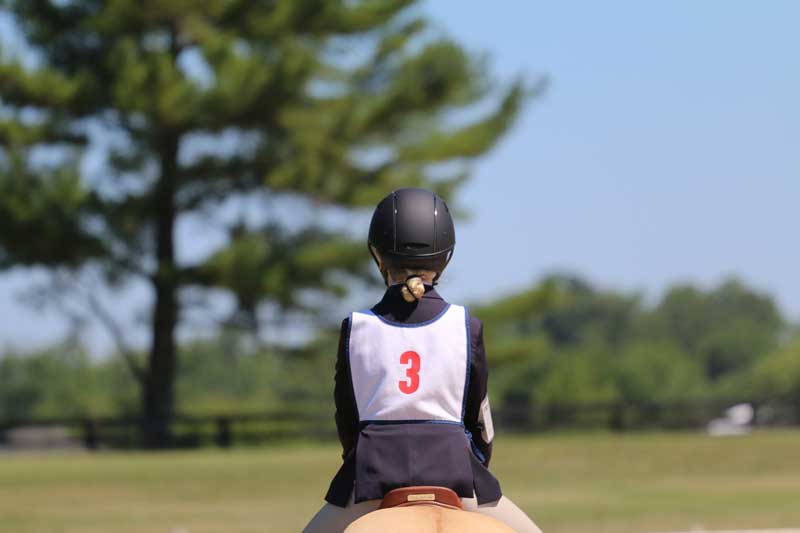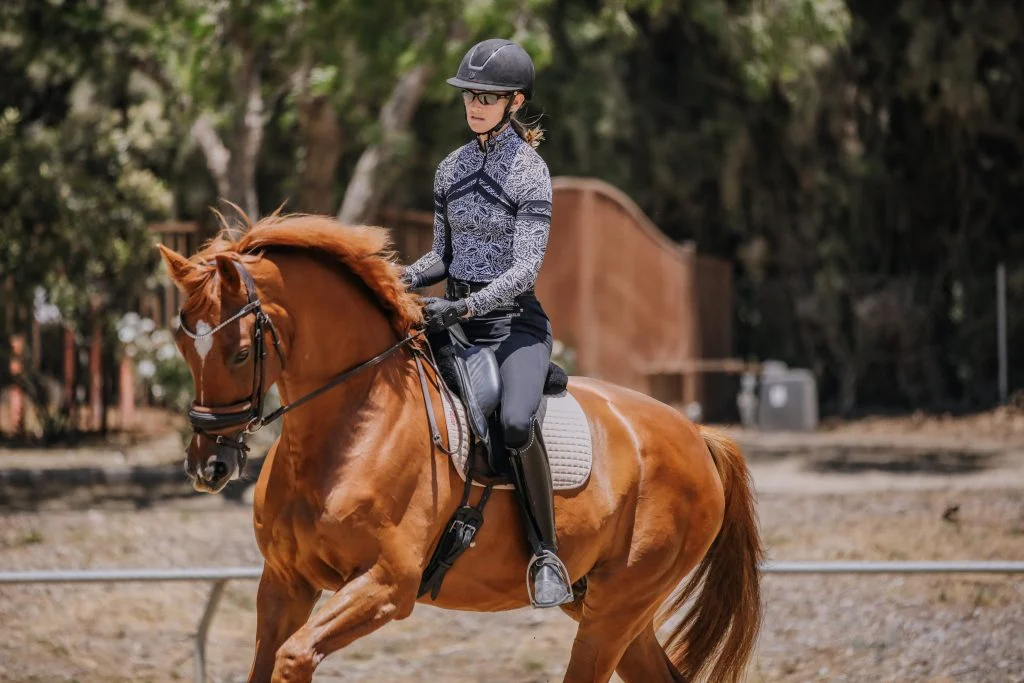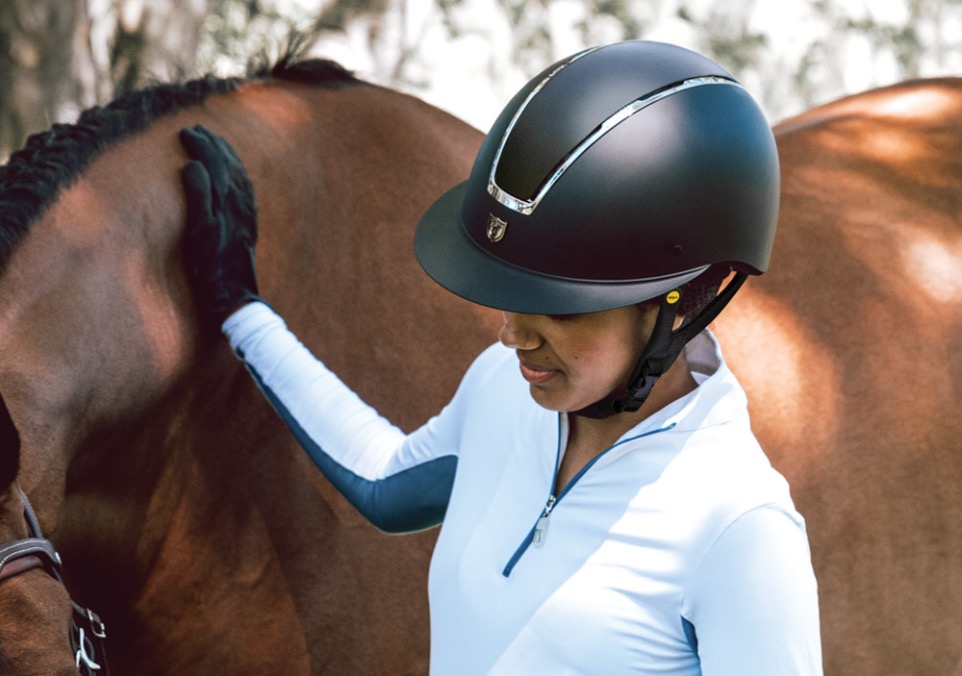
The history of equestrian protective headgear is a story of innovation, safety, and evolving style. Horse riding has always carried risks, but head protection has not always been a priority. Over centuries, what began as simple caps has transformed into advanced helmets engineered for maximum safety. This evolution reflects both technological progress and a growing understanding of rider safety.
Today, riders benefit from a range of helmet options, each designed to minimize the risk of injury during falls or impacts. Understanding how these helmets have changed over time helps riders appreciate the importance of modern safety standards and the reasons behind current best practices. For those interested in keeping their gear in top condition, learning about how to remove odors from riding helmets can be a practical next step.
The Early Days: Velvet Caps and Tradition
In the earliest days of organized horse riding, headgear was more about tradition and appearance than protection. Velvet-covered caps became popular among English riders in the 18th and 19th centuries, especially in fox hunting and show jumping circles. These caps, often stiffened with cardboard or light materials, provided little real defense against falls or kicks.
The focus was on elegance and conformity to social norms rather than safety. Riders wore these caps as part of their formal attire, and the idea of protective gear was not widely discussed. Injuries were common, but the culture of the time accepted these risks as part of the sport.
Early 20th Century: The First Steps Toward Protection
As equestrian sports grew in popularity, so did awareness of the dangers involved. The early 1900s saw the introduction of hard hats, which began to replace the purely decorative caps. These early helmets were inspired by polo helmets and military headgear, using materials like cork and leather to offer basic impact resistance.
While still far from today’s standards, these helmets marked a turning point. Riders and governing bodies started to recognize the need for better protection, especially as competitive events became more demanding. The shift was gradual, but it laid the groundwork for future advancements in the evolution of equestrian helmets.
Post-War Innovations: Safety Takes Center Stage
After World War II, technological advances in materials science began to influence helmet design. The 1950s and 1960s saw the adoption of lightweight plastics and improved padding. These changes made helmets more comfortable and effective, encouraging wider use among both professional and amateur riders.
The growing emphasis on safety led to the development of standards and testing protocols. Organizations began to require helmets in certain competitions, and research into head injuries highlighted the importance of proper fit and retention systems. For more on keeping your helmet secure, see this guide on the importance of chin straps in riding safety.
Modern Materials: From Fiberglass to Carbon Fiber
The late 20th and early 21st centuries brought rapid progress in helmet technology. Fiberglass shells, expanded polystyrene liners, and advanced ventilation systems became standard features. These innovations improved both protection and comfort, making helmets more appealing to riders of all disciplines.
Today, high-performance helmets often incorporate carbon fiber, a material prized for its strength-to-weight ratio. Carbon fiber allows for sleek, lightweight designs that do not compromise on safety. Modern helmets are rigorously tested to meet international standards, and many include features like adjustable fit systems and removable liners for hygiene.
Helmet Standards and Safety Ratings
As the development of equestrian head protection accelerated, so did the need for clear safety benchmarks. Today, helmets must meet strict standards set by organizations such as ASTM, SEI, and various national governing bodies. These standards ensure that helmets provide adequate impact absorption, retention, and coverage.
Riders looking to understand the differences between helmet models can consult resources like equestrian helmet safety ratings. These guides help consumers choose the right helmet for their discipline and risk level, emphasizing the importance of certified gear.
For a comprehensive overview of what to look for when purchasing a helmet, the riding helmet guide from SmartPak Equine offers detailed advice on fit, features, and certification.
Fit, Comfort, and Hygiene: Modern Rider Priorities
Comfort and hygiene have become central to helmet design. Adjustable fit systems allow for a secure, personalized fit, reducing the risk of the helmet shifting during a fall. Removable liners make cleaning easier, helping riders maintain their gear and avoid unpleasant odors.
Proper fit is not just about comfort; it is essential for safety. A helmet that is too loose or too tight can fail to protect the rider in an accident. For tips on achieving a secure fit, see this article on how to tuck hair into a riding helmet.

Care and Longevity of Modern Helmets
Even the most advanced helmet requires proper care to maintain its protective qualities. Exposure to heat, sunlight, and moisture can degrade materials over time. Riders should store their helmets in cool, dry places and avoid leaving them in vehicles or direct sunlight. For more on this topic, review the article on the impact of heat on equestrian helmets.
Regular inspection for cracks, dents, or worn straps is essential. Most manufacturers recommend replacing helmets every five years or after any significant impact, even if no visible damage is present. This ensures that the helmet will perform as intended in the event of a fall.
Looking Ahead: The Future of Equestrian Head Protection
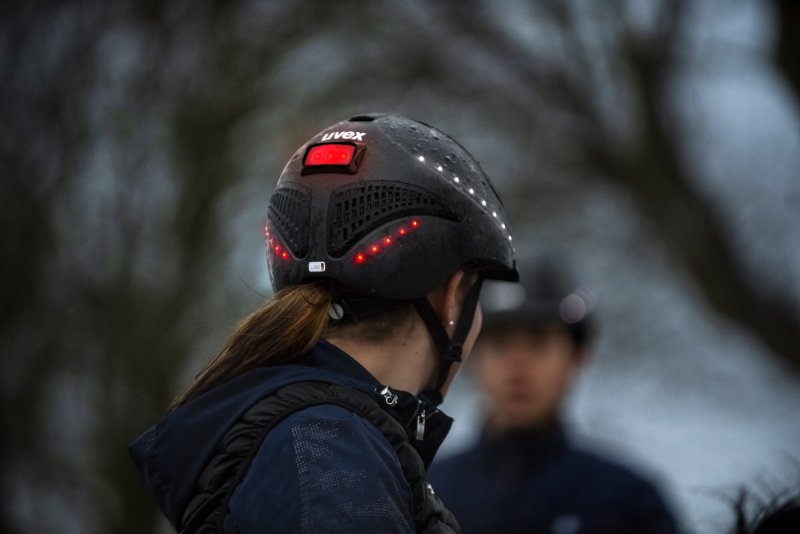
The journey from velvet caps to carbon fiber helmets shows no sign of slowing. Researchers are exploring new materials and technologies, such as MIPS (Multi-directional Impact Protection System) and smart sensors that can detect impacts and alert emergency contacts. As awareness of concussion risks grows, helmet design will continue to prioritize both safety and rider comfort.
The next generation of helmets may offer even better protection, lighter weight, and more advanced features. What remains constant is the commitment to keeping riders safe while allowing them to enjoy the freedom and excitement of horseback riding.
Frequently Asked Questions
When did equestrian helmets become mandatory in competitions?
Helmet requirements began appearing in the mid-20th century, with major organizations introducing rules for certain disciplines. Today, most competitive events require certified helmets, especially for youth and jumping classes.
How often should a riding helmet be replaced?
It is generally recommended to replace your helmet every five years, or immediately after any fall or impact, even if there is no visible damage. Materials can degrade over time, reducing effectiveness.
What is the difference between traditional caps and modern helmets?
Traditional caps were mainly decorative, offering little to no protection. Modern helmets use advanced materials and are tested to rigorous safety standards, providing real impact absorption and head coverage.