

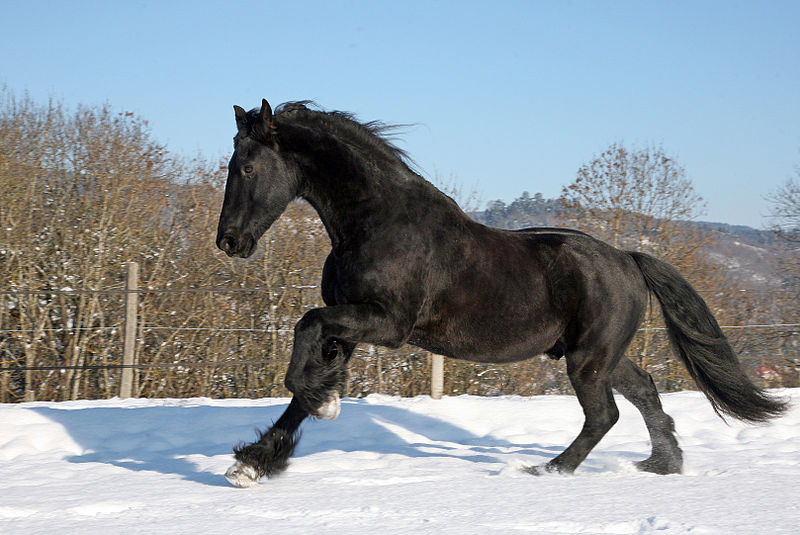
The Friesian horse genetics guide offers a detailed look into the unique characteristics, hereditary patterns, and health issues associated with this iconic breed. Known for their striking black coats, flowing manes, and powerful build, Friesians have captivated equestrians for centuries. However, beneath their beauty lies a genetic story that influences everything from their appearance to their well-being. Understanding the genetic foundations of Friesians is essential for breeders, owners, and enthusiasts who want to ensure the health and sustainability of this remarkable breed.
This article explores the genetic traits that define Friesians, how these traits are inherited, and what health considerations are most relevant. Whether you are a prospective owner, a breeder, or simply fascinated by equine genetics, this resource will help you make informed decisions and appreciate the complexity behind the Friesian’s elegance.
For those interested in a broader perspective on Friesians, the complete guide to Friesian horses provides an excellent foundation on breed history, care, and more.
Key Traits Defined by Friesian Genetics
Friesians are instantly recognizable thanks to a combination of distinctive features, many of which are the result of selective breeding and genetic inheritance. The most prominent traits influenced by their DNA include:
- Coat Color: Friesians are almost exclusively black. The gene responsible for this uniform color is recessive, meaning both parents must carry it for the trait to be expressed. White markings are rare and typically limited to a small star on the forehead.
- Feathering: The long, silky hair on the lower legs is a hallmark of the breed. This trait is inherited and requires proper care to prevent skin issues.
- Build and Movement: Friesians are known for their muscular, compact bodies and high-stepping gaits. These physical characteristics are the result of generations of selective breeding for carriage and riding purposes.
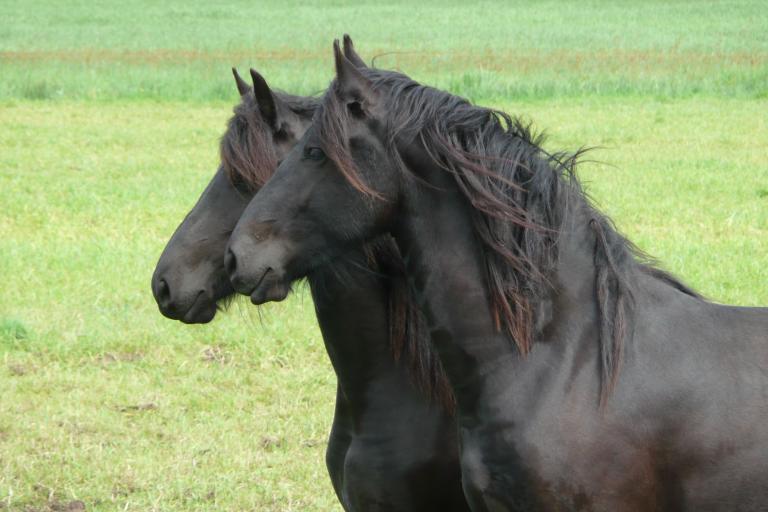
- Mane and Tail: Abundant, wavy hair is another genetic trait, often requiring dedicated grooming to maintain.
These features are not just aesthetic; they also reflect the breed’s historical use and the genetic bottlenecks that have shaped the modern Friesian.
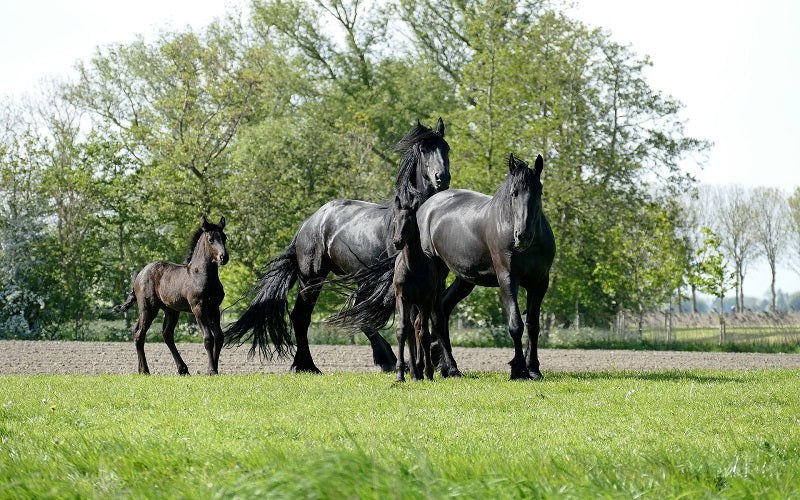
Inheritance Patterns in Friesian Horses
The genetic makeup of Friesians is shaped by both dominant and recessive genes. Understanding these inheritance patterns is crucial for breeders aiming to preserve the breed’s signature look while minimizing health risks.
Color and Markings
Friesians are almost always black due to the presence of the recessive “black” gene. If a horse inherits two copies of this gene, the black coat is expressed. Rarely, a Friesian may have a small white star, but larger markings are not permitted in breed registries. Breeders must be mindful of these genetic rules to maintain breed standards.
Physical Structure and Movement
Traits like the Friesian’s arched neck, strong back, and feathered legs are polygenic, meaning they are influenced by multiple genes. Selective breeding has reinforced these features, but it also narrows the gene pool, which can increase the risk of inherited disorders.
Inherited Health Concerns
While selective breeding has preserved the Friesian’s beauty, it has also concentrated certain genetic health issues. These include:
- Dwarfism: A recessive gene can cause disproportionate dwarfism in foals. Both parents must be carriers for this to occur.
- Hydrocephalus: This condition, involving fluid accumulation in the brain, is also inherited and can be fatal in foals.
- Megaesophagus: A digestive disorder seen more frequently in Friesians than in other breeds.
- Connective Tissue Disorders: These can result in weakened blood vessels and skin, leading to problems like aortic rupture.
Genetic testing and careful selection of breeding pairs are essential to reduce the incidence of these conditions.
Health and Genetic Disorders in Friesians
Health is a major concern for Friesian owners and breeders. The relatively small gene pool has led to a higher prevalence of certain inherited diseases. Being aware of these issues allows for better management and improved welfare for the horses.
Common Genetic Health Issues
- Dwarfism and Hydrocephalus: Both are autosomal recessive conditions, meaning a foal must inherit the defective gene from both parents to be affected. Genetic screening can identify carriers and inform breeding decisions.
- Chronic Progressive Lymphedema (CPL): This is a progressive swelling of the lower limbs, likely with a genetic component. It is managed through diligent grooming and veterinary care.
- Megaesophagus: Characterized by an enlarged esophagus, this disorder can cause difficulty swallowing and regurgitation. It is more common in Friesians than in many other breeds.
- Aortic Rupture: This life-threatening condition is linked to connective tissue weakness, which may be inherited.
Regular veterinary check-ups, responsible breeding, and awareness of these risks are key to maintaining healthy Friesians.
Best Practices for Breeding and Care
Preserving the Friesian’s signature traits while minimizing health risks requires a thoughtful approach to breeding and daily management. Here are some best practices:
- Genetic Testing: Use available tests to screen for known genetic disorders before breeding.
- Diverse Pairings: Avoid close inbreeding to help reduce the risk of inherited diseases.
- Health Monitoring: Schedule regular veterinary exams and monitor for early signs of genetic conditions.
- Proper Grooming: The breed’s abundant feathering and mane require consistent care to prevent skin and hair issues. Quality grooming products, such as those mentioned above, can make a significant difference.
- Education: Stay informed about new research and recommendations for Friesian health and genetics.
For more on daily responsibilities and care, see this resource on horse ownership responsibilities.
Genetic Diversity and the Future of Friesians
Maintaining genetic diversity is a challenge for all purebred animals, and Friesians are no exception. The breed’s closed studbook and small founding population have led to a higher degree of inbreeding, which can exacerbate health problems and reduce overall vitality.
Efforts by breed organizations focus on:
- Encouraging responsible breeding practices
- Promoting genetic testing and transparency
- Supporting research into inherited diseases
By prioritizing genetic health, breeders and owners can help ensure that Friesians remain robust and beautiful for generations to come.
For a deeper dive into the breed’s history and unique qualities, the Friesian horse breed overview provides additional insights into their global popularity and versatility.
Frequently Asked Questions
What makes Friesian horse genetics unique compared to other breeds?
Friesians have a distinct genetic profile due to centuries of selective breeding for color, movement, and temperament. Their almost exclusive black coat, feathered legs, and high-stepping gait are the result of both dominant and recessive genes. However, this selectivity has also led to a higher risk of certain inherited health issues.
Can genetic testing prevent health problems in Friesians?
While genetic testing cannot prevent all health issues, it is a valuable tool for identifying carriers of specific disorders such as dwarfism and hydrocephalus. Responsible breeders use these tests to make informed decisions, reducing the likelihood of producing affected foals.
Are Friesians suitable for first-time horse owners?
Friesians are known for their gentle temperament, but their grooming needs and potential health concerns require commitment and knowledge. Prospective owners should educate themselves on both daily care and genetic risks. For tips on balancing horse care with daily life, see these equestrian lifestyle tips.
How can breeders help maintain the health of the Friesian breed?
Breeders play a crucial role by using genetic testing, avoiding close inbreeding, and staying updated on research. Transparent record-keeping and collaboration with breed organizations also support the long-term health and diversity of Friesians.
Conclusion
Understanding the genetic landscape of Friesian horses is essential for anyone involved with this noble breed. From their signature black coats to the health challenges they face, genetics shape every aspect of Friesian life. By combining responsible breeding, regular health monitoring, and ongoing education, owners and breeders can help preserve the beauty and vitality of Friesians for future generations.